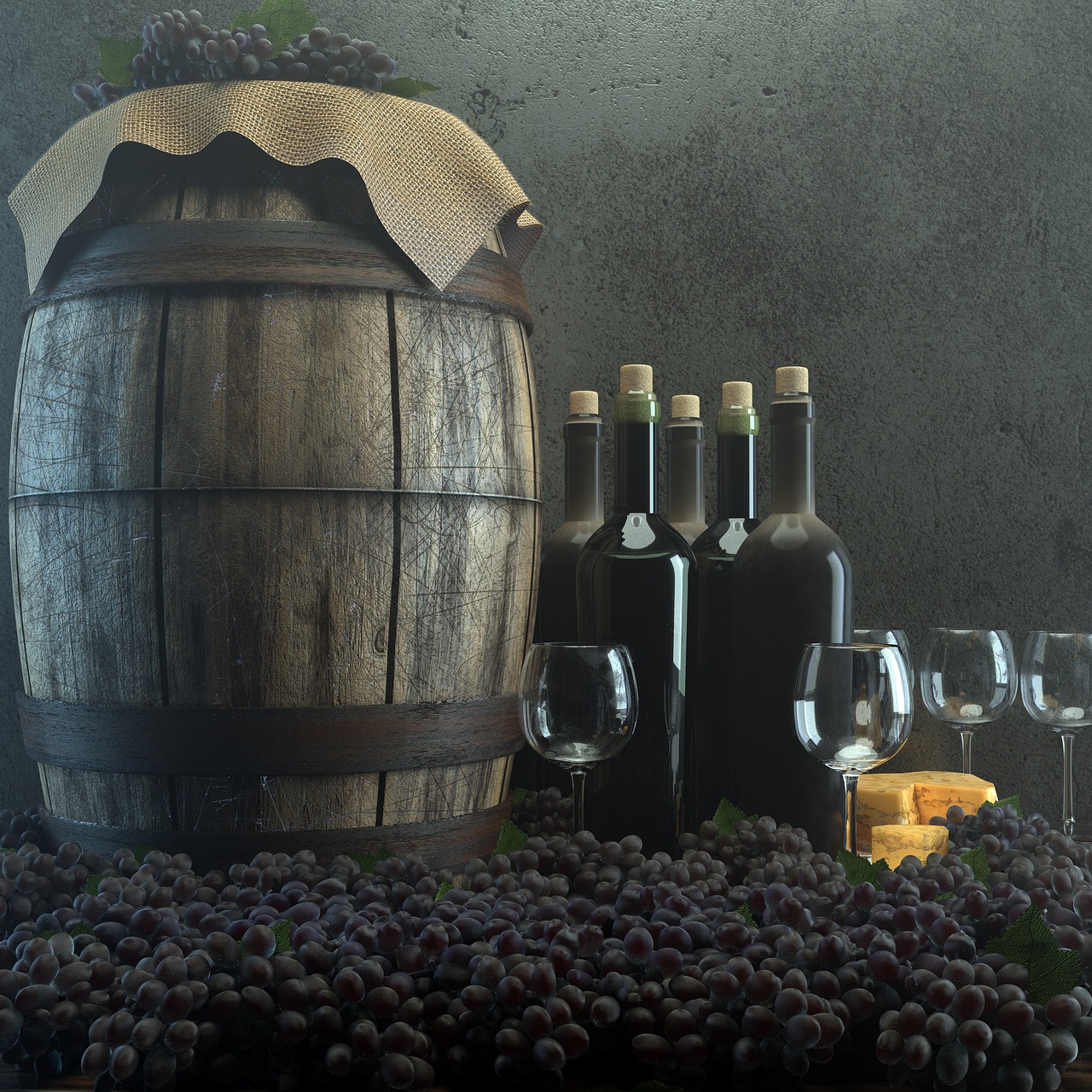
Introduction to Mead and Wine
For more wine tips, check out our wine making guides.Mead and wine are two of the oldest fermented beverages known to mankind. While both are produced through fermentation, they have distinct differences in terms of ingredients, brewing processes, and final products.
Mead: The Basics
Mead, often referred to as honey wine, is made from honey and water, with yeast added for fermentation. The simplicity of mead’s ingredients list belies the complexity of its flavors, which can range from dry to sweet and fruity to spicy, depending on the recipe and method of production.
Wine: An Overview
Wine, on the other hand, is primarily made from fermented grapes. The process of winemaking involves harvesting grapes, crushing them to release their juice, and then fermenting this juice. Like mead, the flavor profile of wine can vary widely based on factors such as the grape variety, climate, and winemaking techniques.
Brewing Differences: Mead vs Wine
The most apparent difference between brewing mead and wine lies in their primary ingredients: honey for mead and grapes for wine. However, the equipment and steps involved in their production also show significant variations.
Equipment Needed
- Large pot (for boiling)
- Fermenter
- Hydrometer (for measuring specific gravity)
- Siphon and racking cane
- Airlock and bung
- Sanitizer (for sterilization)
Step-by-Step Process for Mead
- Mix honey and water to create the must.
- Boil the must to sterilize it and add any desired spices or fruits.
- Cool the must and pitch the yeast.
- Transfer the must to a fermenter and fit it with an airlock.
- Allow fermentation to complete, which can take several weeks to months.
- Rack the mead into a secondary fermenter to clarify and mature.
Step-by-Step Process for Wine
- Harvest and crush grapes to release their juice.
- Cold soak the grape juice to extract flavors and colors.
- Boil the grape juice (must) to kill off any bacteria and add yeast for fermentation.
- Transfer the must to a fermenter, fitting it with an airlock.
- Allow fermentation to complete, which typically takes a couple of weeks.
- Rack the wine into oak barrels or a secondary fermenter for aging.
Pro Tips for Brewing Mead and Wine
Sanitation is key in both mead and wine production to prevent spoilage. Regularly monitoring the fermentation process and being patient are also crucial for achieving high-quality brews.
Frequently Asked Questions
Q: How long does it take to brew mead or wine? A: The brewing time can vary significantly, from a few weeks for some wines to several months or even years for meads and certain types of wine.
Q: Can I make mead or wine at home? A: Yes, with the right equipment and a bit of patience, you can successfully brew mead and wine at home.
Q: What are the health benefits of mead and wine? A: Both mead and wine, when consumed in moderation, have been associated with various health benefits, including antioxidant properties and potential heart health advantages.