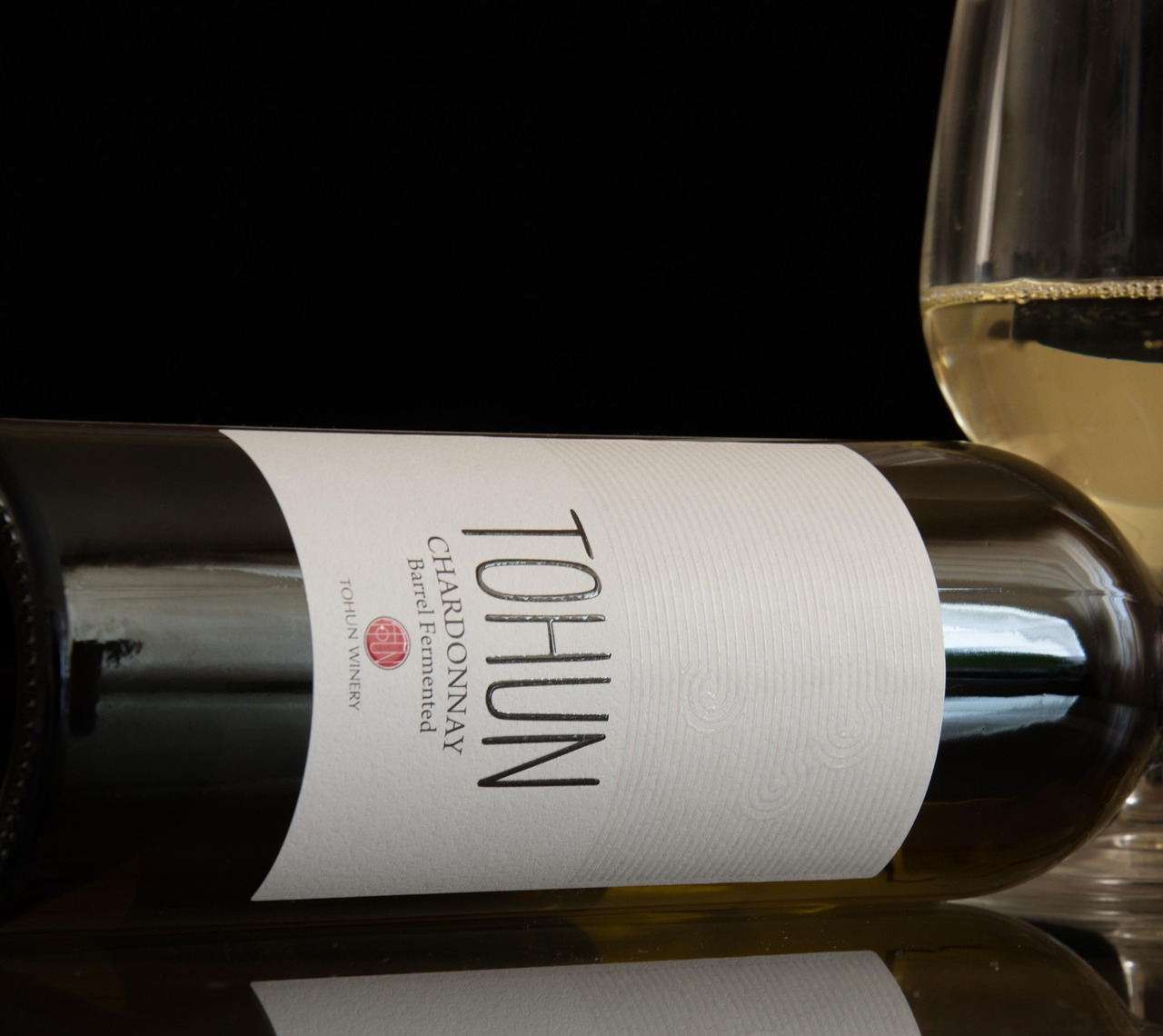
Introduction to Oak Aging Wine
For more wine tips, check out our wine making guides.Oak aging is a traditional winemaking process that involves storing wine in oak barrels to enhance its flavor and character. However, with advancements in technology, oak chips have emerged as a popular alternative to traditional oak barrels. In this article, we will explore the differences between oak chips and barrels, and provide a comprehensive guide on how to oak age wine using both methods.
Understanding Oak Chips and Barrels
Oak chips are small pieces of oak wood that are added to wine to impart flavor and aroma. They are a cost-effective and convenient way to oak age wine, especially for small-scale winemakers. On the other hand, oak barrels are traditional vessels made from oak wood that are used to store and age wine. They provide a slow and gradual infusion of oak flavors and aromas into the wine.
Equipment List for Oak Aging Wine
- Oak chips or barrels
- Wine tank or vessel
- Hydrometer
- pH meter
- Wine thief or pipette
- Oak chip dispenser or barrel racking equipment
Step-by-Step Guide to Oak Aging Wine with Chips
To oak age wine using chips, follow these steps:
- Determine the amount of oak chips needed based on the volume of wine and desired level of oak flavor.
- Sanitize the oak chips and wine tank or vessel.
- Add the oak chips to the wine tank or vessel.
- Monitor the wine’s specific gravity, pH, and flavor profile regularly.
- Adjust the amount of oak chips or aging time as needed to achieve the desired flavor profile.
Step-by-Step Guide to Oak Aging Wine with Barrels
To oak age wine using barrels, follow these steps:
- Inspect and prepare the oak barrels for use.
- Fill the barrels with wine, leaving a small headspace.
- Seal the barrels and store them in a cool, dark place.
- Monitor the wine’s specific gravity, pH, and flavor profile regularly.
- Rack the wine every 3-6 months to clarify and aerate it.
Pro Tips for Oak Aging Wine
- Use high-quality oak chips or barrels to ensure the best flavor and aroma.
- Monitor the wine’s temperature and humidity levels to prevent spoilage or over-oakification.
- Keep accurate records of the oak aging process to refine the technique and achieve consistent results.
Looking for more brewing resources? Browse our wine making equipment or visit our brewing and fermentation for more tools and tips.
Frequently Asked Questions
Here are some common questions about oak aging wine:
- Q: What is the difference between French and American oak?
- A: French oak is considered to be more subtle and nuanced, while American oak is bolder and more pronounced.
- Q: How long does it take to oak age wine?
- A: The length of time needed to oak age wine depends on the type of wine, the desired level of oak flavor, and the method used.
- Q: Can I use both oak chips and barrels to oak age wine?
- A: Yes, many winemakers use a combination of both methods to achieve a balanced and complex flavor profile.