Introduction to Wine Fermentation Vessels
For more wine tips, check out our wine making guides.Wine fermentation is a crucial step in the winemaking process, and the right equipment can make all the difference. In this article, we’ll explore the best wine fermentation vessels of 2025, including their features, benefits, and how to use them.
Equipment List
- Stainless Steel Fermenters
- Food-Grade Plastic Fermenters
- Glass Carboys
- Ceramic Fermenters
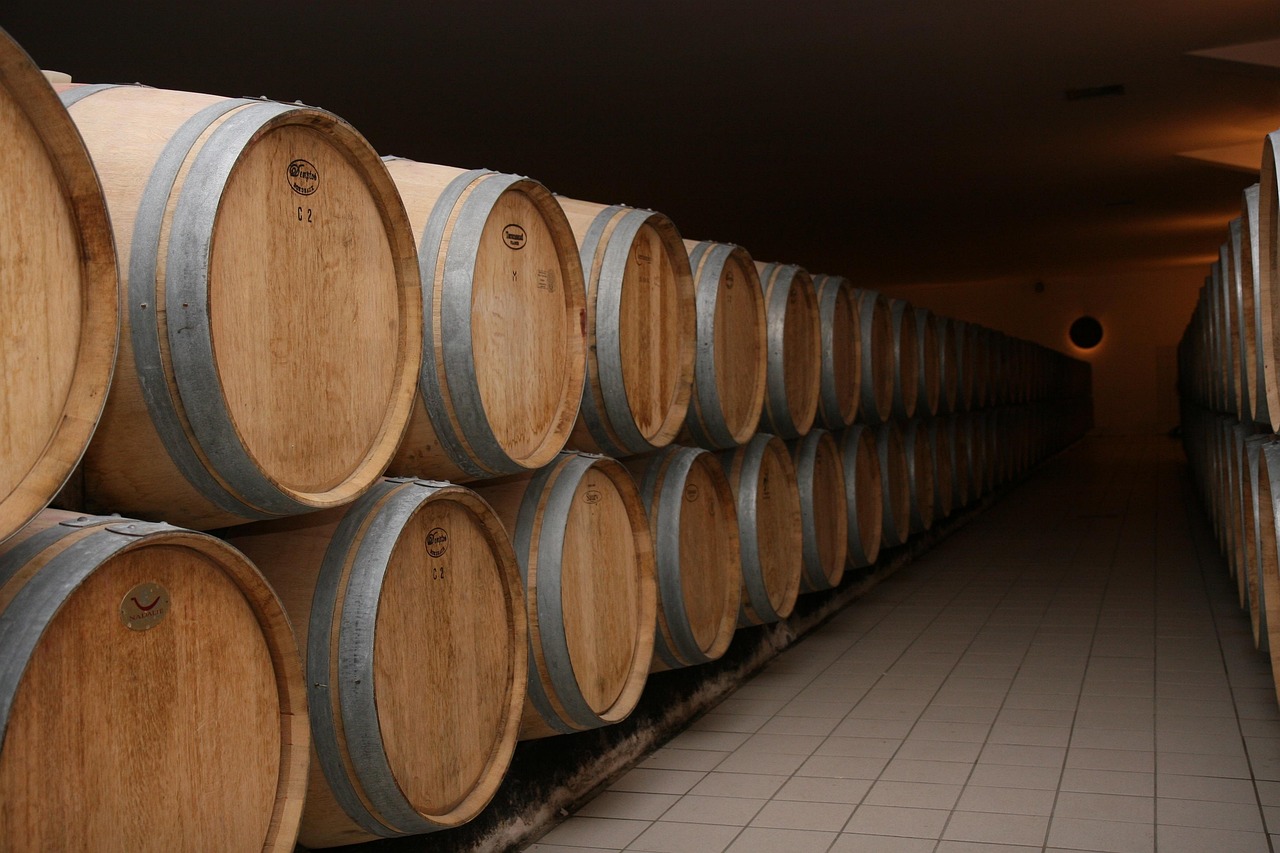
- Oak Barrels
Step-by-Step Guide to Wine Fermentation
Here’s a step-by-step guide to wine fermentation:
- Prepare the must: Crush and de-stem the grapes, then cold soak them to extract flavors and colors.
- Transfer to fermenter: Pump the must into the fermenter, leaving enough headspace for foam and expansion.
- Monitor temperature: Keep the temperature between 65-75°F (18-24°C) for red wines and 55-65°F (13-18°C) for white wines.
- Manage yeast: Pitch the yeast and monitor its growth, ensuring it ferments the must efficiently.
- Press and rack: Press the wine off the skins, then rack it into a secondary fermenter for clarification and stabilization.
Pro Tips for Wine Fermentation
- Sanitize all equipment thoroughly to prevent contamination.
- Monitor specific gravity to track fermentation progress.
- Use a hydrometer to measure the wine’s density and sugar content.
- Aerate the wine during fermentation to promote healthy yeast growth.
Looking for more brewing resources? Browse our wine making equipment or visit our brewing and fermentation for more tools and tips.
Frequently Asked Questions
Q: What is the best material for wine fermentation vessels?
A: The best material depends on personal preference, budget, and the type of wine being produced. Stainless steel and food-grade plastic are popular choices due to their durability and ease of cleaning.
Q: How long does wine fermentation typically take?
A: Wine fermentation can take anywhere from 7-14 days for primary fermentation, and several weeks or months for secondary fermentation and aging.
Q: Can I use a glass carboy for wine fermentation?
A: Yes, glass carboys are a popular choice for wine fermentation due to their non-porous and non-reactive nature. However, they can be heavy and prone to breakage.