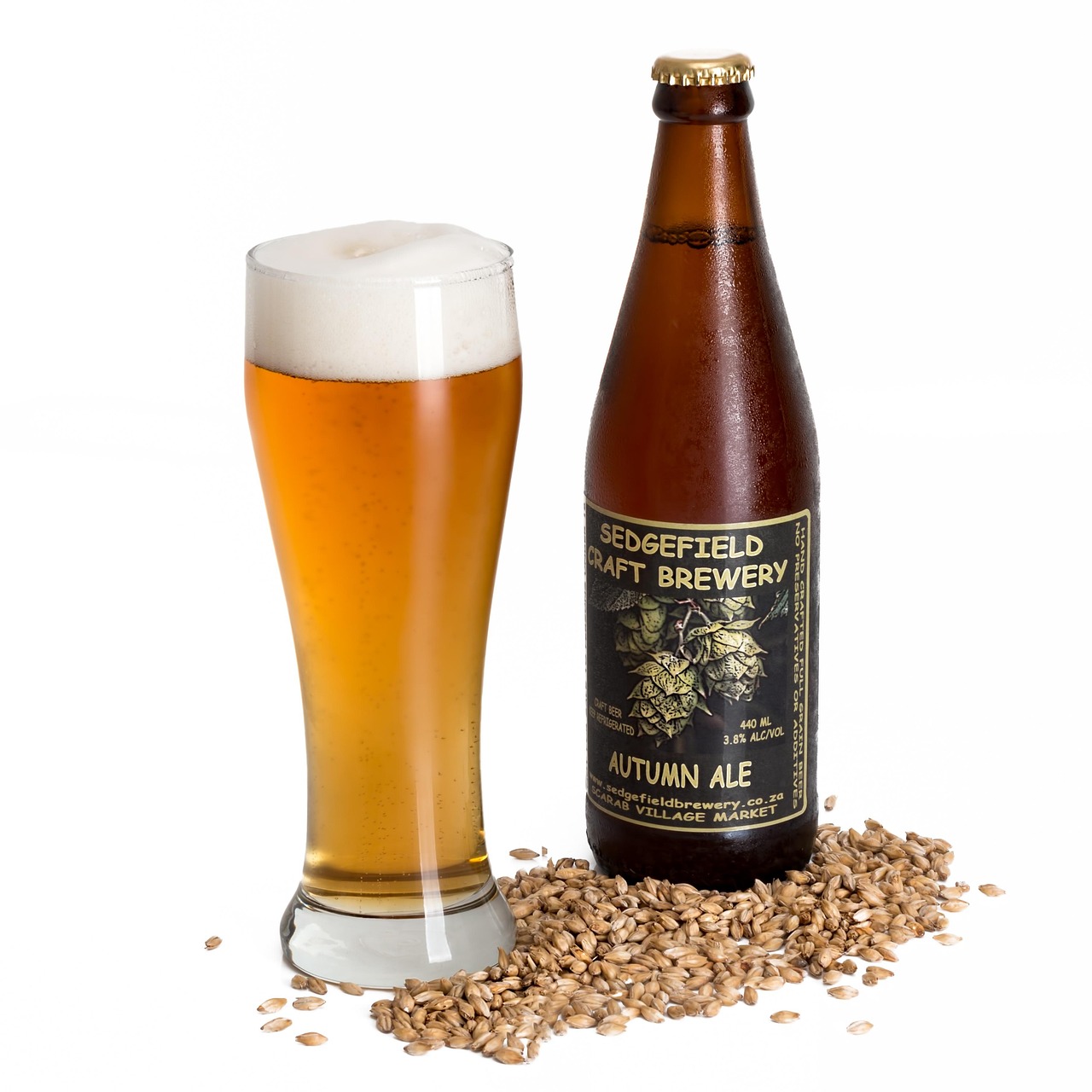
Introduction to Home Beer Carbonation Systems
For more beer tips, check out our beer brewing guides.Home beer carbonation systems have become increasingly popular among beer enthusiasts, allowing them to carbonate their favorite brews with ease and precision. In this article, we will explore the best home beer carbonation systems available in the market, their equipment, and a step-by-step guide on how to use them.
Equipment List
- CO2 tank
- Regulator
- Carbonation vessel
- Beer lines and fittings
- Pressure gauge
Step-by-Step Guide to Carbonating Beer at Home
To carbonate beer at home, follow these steps:
- Chill your beer to the desired temperature.
- Purge the carbonation vessel of any air or oxygen.
- Connect the CO2 tank to the regulator and set the desired pressure.
- Transfer the beer to the carbonation vessel and seal it.
- Apply CO2 pressure to the vessel and allow it to carbonate for several hours or overnight.
Pro Tips for Home Beer Carbonation
Here are some pro tips to achieve perfect carbonation:
- Use the right type of CO2 tank and regulator for your system.
- Monitor the pressure and temperature of your system regularly.
- Experiment with different carbonation levels to find your perfect balance.
Looking for more brewing resources? Browse our find local breweries or visit our brewing equipment for more tools and tips.
Frequently Asked Questions
Here are some frequently asked questions about home beer carbonation systems:
- Q: What is the ideal carbonation level for beer?
- A: The ideal carbonation level varies depending on the type of beer, but a general range is between 2.5 and 3.5 volumes of CO2.
- Q: How long does it take to carbonate beer at home?
- A: The carbonation time can vary depending on the system and the type of beer, but it typically takes several hours or overnight.