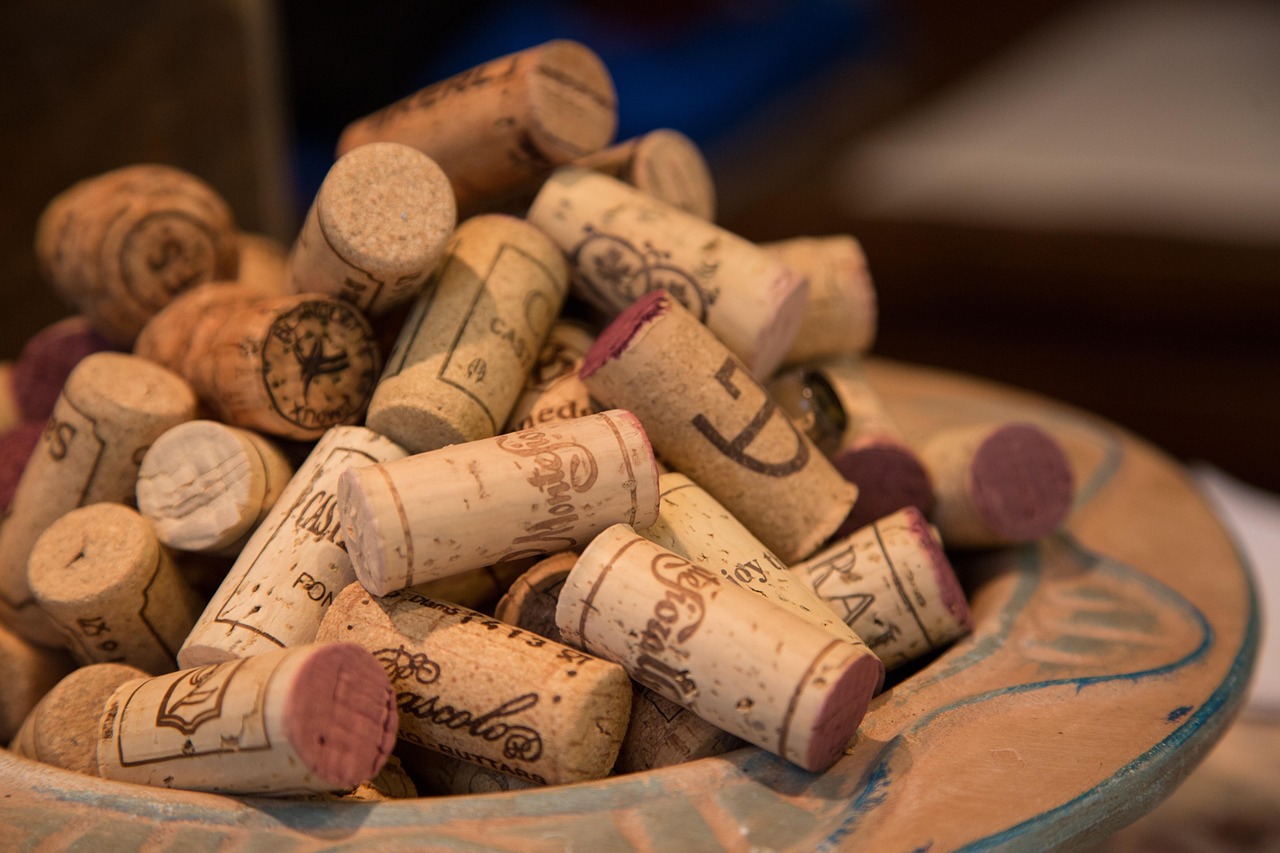
Introduction to Wine Fermentation Vessels
For more wine tips, check out our wine making guides.Wine fermentation vessels are a crucial component in the winemaking process, as they provide a controlled environment for the conversion of grape juice into wine. With the numerous options available in the market, selecting the best wine fermentation vessel can be overwhelming, especially for novice winemakers.
Equipment List
- Stainless Steel Fermenters
- Food-Grade Plastic Fermenters
- Glass Carboys
- Concrete Fermentation Tanks
- Wooden Barrels
Step-by-Step Guide to Wine Fermentation
1. Preparation: Sanitize the fermentation vessel and equipment to prevent contamination.
2. Must Preparation: Prepare the grape must by crushing and de-stemming the grapes.
3. Cold Soak: Perform a cold soak to extract flavors and colors from the grape skins.
4. Fermentation: Initiate fermentation by adding yeast to the must.
5. Monitoring: Monitor the fermentation process by tracking temperature, specific gravity, and pH levels.
Pro Tips for Wine Fermentation
- Monitor temperature fluctuations to prevent spoilage.
- Use a hydrometer to track specific gravity readings.
- Perform regular punch-downs to extract flavors and prevent mold growth.
Looking for more brewing resources? Browse our wine making equipment or visit our brewing and fermentation for more tools and tips.
Frequently Asked Questions
What is the ideal fermentation temperature?
The ideal fermentation temperature ranges between 65°F to 75°F (18°C to 24°C), depending on the type of wine being produced.
How often should I monitor the fermentation process?
Monitor the fermentation process daily, tracking temperature, specific gravity, and pH levels to ensure a healthy fermentation.