This post contains affiliate links. If you buy through them, brewing.com earns a commission at no cost to you. How we pick products
Tea · Guide
Cast Iron Teapots vs Ceramic: Which is Better
| Pick | Best for | Price |
|---|---|---|
| COOGOU Japanese Style Cast Iron Teapot Set with Infuser | Cast iron pick | $39.99 ↗ as of 24 Sep 2026, 4:45am GMT+0000 Details (paid link) |
| Sweejar Royal Porcelain Teapot with Infuser, 28 oz | Ceramic pick | $28.99 ↗ as of 24 Sep 2026, 4:45am GMT+0000 Details (paid link) |
| Cast Iron Teapot with Enamel Lining and Metal Infuser, 30 oz | Enamel-lined alternative | $32.99 ↗ as of 24 Sep 2026, 4:45am GMT+0000 Details (paid link) |
| OXO Brew Tea Strainer Basket | Strainer | $16.95 ↗ as of 24 Sep 2026, 4:45am GMT+0000 Details (paid link) |
Prices come from Amazon and refresh nightly. A pick shows “Check price” when we do not have a current figure for it.
Introduction to Teapots
For more tea tips, check out our tea guides.Teapots have been a staple in many cultures for centuries, providing a convenient and elegant way to brew and serve tea. Two popular materials used for teapots are cast iron and ceramic. In this article, we will delve into the world of cast iron teapots and ceramic teapots, exploring their differences, benefits, and drawbacks.
Cast Iron Teapots
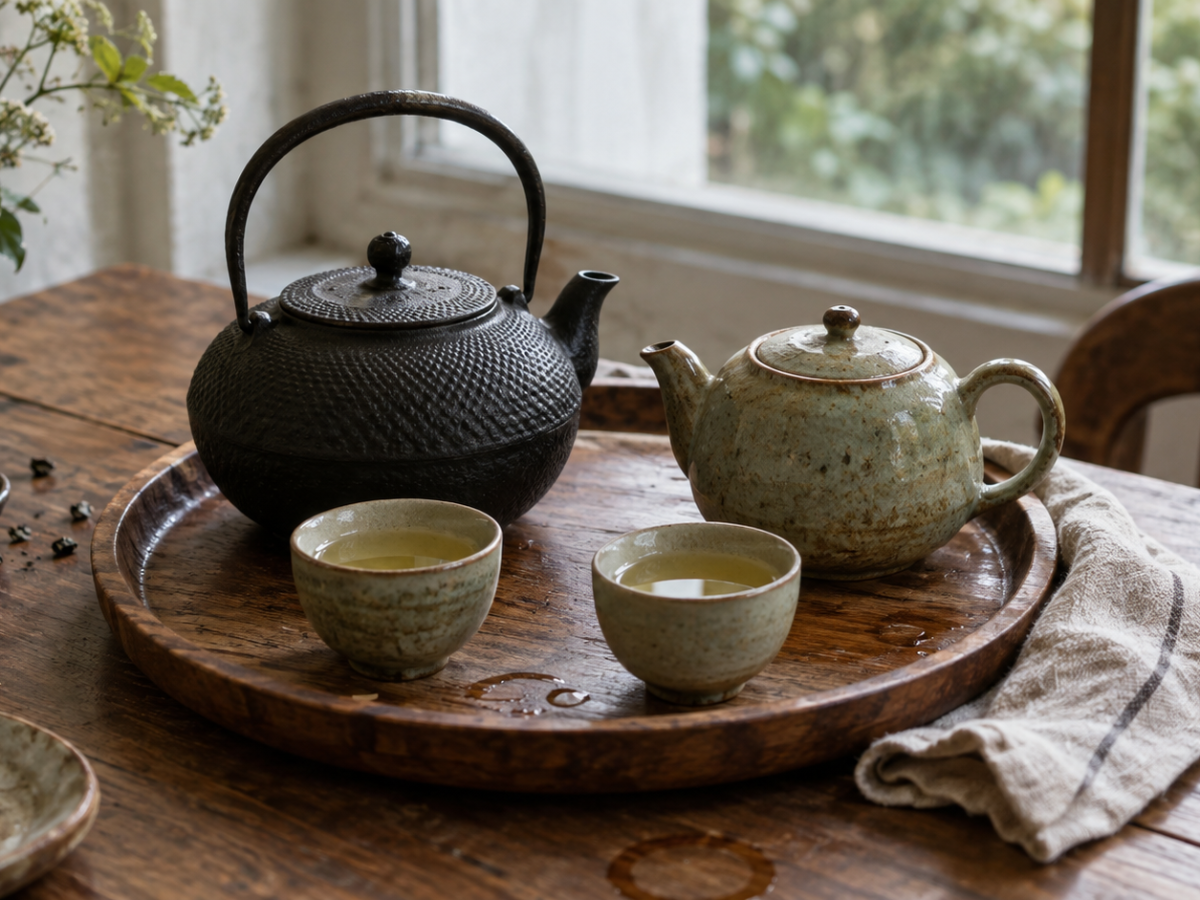
Cast iron teapots are made from iron and have been used for centuries in Japan and other parts of Asia. They are known for their durability, heat retention, and ability to distribute heat evenly.
One distinction the section above skips, and it decides whether a cast iron pot is usable at all: whether the interior is enamelled. Bare iron, a true tetsubin, is meant to sit on a heat source and will rust if tea is left in it. Almost everything sold today is enamel-lined, which makes it a brewing pot rather than a kettle. Check before buying, because the care instructions are opposite.

Cast iron pick
COOGOU Japanese Style Cast Iron Teapot Set with Infuser
Why it fits
Cast iron's real advantage is thermal mass: the pot holds the water near its starting temperature through a long steep instead of shedding heat the way thin ceramic does, which matters for black tea and oolong that want to sit at 200 degrees for several minutes. This one is enamel-lined and comes with a stainless infuser basket, so it brews loose leaf without the seasoning routine bare iron demands.
Limitations
Heavy, and awkward to pour once full. Enamel chips if knocked, and a chipped lining exposes iron that will rust. It takes longer to warm through than ceramic, so it wants preheating. It is a brewing pot only; do not put it on a burner.
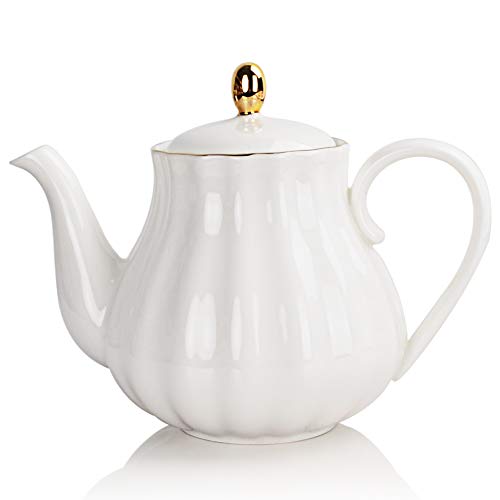
Ceramic pick
Sweejar Royal Porcelain Teapot with Infuser, 28 oz
Why it fits
Porcelain is chemically inert and non-porous, which is the argument for it: it holds no trace of the last tea, so the same pot can go from a smoky lapsang to a delicate green without ghosting. A removable infuser lets you pull the leaves at time rather than letting them oversteep, and at 28 oz it serves three or four cups.
Limitations
Low thermal mass, so it cools noticeably over a five-minute steep unless you preheat it, which is the trade against cast iron. Porcelain chips and breaks. The handle sits close to the body, so a full pot runs warm to hold.
Ceramic Teapots
Ceramic teapots, on the other hand, are made from clay and other minerals, then fired at high temperatures to create a hard, non-porous surface. They are known for their elegance, ease of use, and ability to preserve the flavor and aroma of tea.
Equipment List
- Cast iron teapot
- Ceramic teapot
- Tea leaves
- Water
- Tea strainer
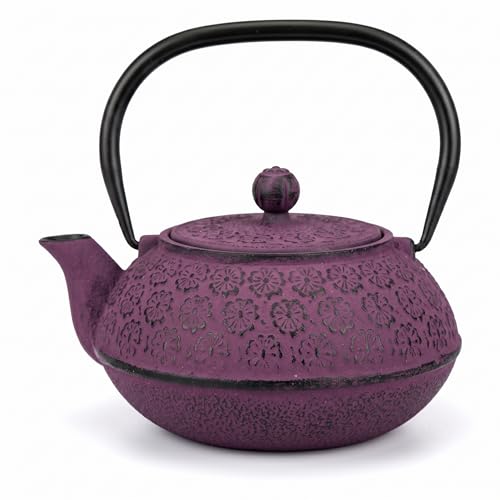
Enamel-lined alternative
Cast Iron Teapot with Enamel Lining and Metal Infuser, 30 oz
A larger enamel-lined cast iron pot with an infuser, if 30 oz suits you better than the set above. Same rule applies: lined, so it brews rather than boils.
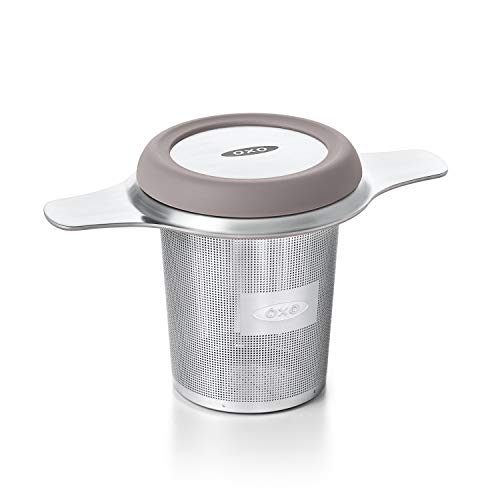
Strainer
OXO Brew Tea Strainer Basket
For step five. A wide fine-mesh basket gives the leaves room to open, which a cramped ball infuser does not.
Step-by-Step Guide to Brewing Tea
- Choose your teapot and tea leaves
- Heat water to the desired temperature
- Measure the right amount of tea leaves
- Steep the tea leaves in the teapot
- Strain and serve the tea
Pro Tips
- Use fresh, high-quality tea leaves for the best flavor
- Experiment with different temperatures and steeping times
- Regularly clean and maintain your teapot to prevent bacterial growth
Looking for more brewing resources? Browse our tea brewing equipment or visit our coffee and tea for more tools and tips.
Frequently Asked Questions
Q: Which material is better, cast iron or ceramic?
A: Both materials have their benefits and drawbacks. Cast iron teapots are durable and retain heat well, but can be heavy and require seasoning. Ceramic teapots are elegant and easy to use, but can be fragile and prone to chipping.
Q: How do I care for my cast iron teapot?
A: To care for your cast iron teapot, avoid using soap or harsh chemicals, and dry it thoroughly after each use. You can also season your teapot regularly to prevent rust.
Q: Can I use my ceramic teapot for other types of tea?
A: Yes, you can use your ceramic teapot for other types of tea, such as green tea, black tea, or herbal tea. However, be sure to choose a teapot that is suitable for the type of tea you are brewing.
Shop this guide