This post contains affiliate links. If you buy through them, brewing.com earns a commission at no cost to you. How we pick products
Tea · Guide
Tea Oxidation Levels: A Journey from Green to Black
Introduction to Tea Oxidation
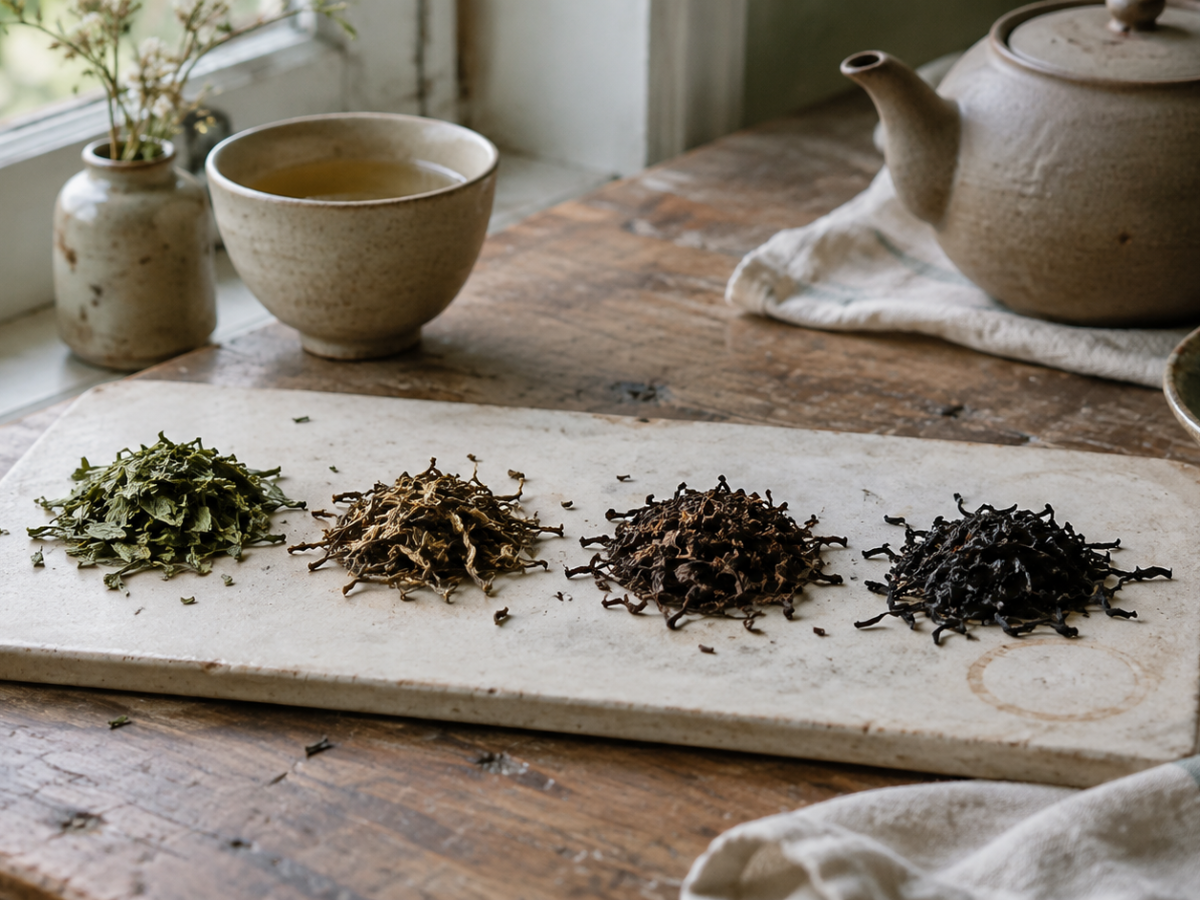
For more tea tips, check out our tea guides.Tea oxidation is a process that occurs in tea leaves, transforming their chemical composition and determining the final flavor, aroma, and color of the tea. The level of oxidation is what sets apart the various types of tea, including green, white, oolong, and black tea.
Understanding Oxidation Levels
The oxidation level of tea is determined by the amount of time the tea leaves are allowed to oxidize after being harvested. Green tea, for example, is minimally oxidized, while black tea is fully oxidized. The oxidation process can be stopped at various stages to produce different types of tea.
Equipment Needed for Tea Production
- Tea leaves
- Withering rack or tray
- Roller or oxidizer
- Heating device (for drying)
- Tea dryer or oven
Step-by-Step Guide to Tea Production
Here is a simplified step-by-step guide to producing tea with varying oxidation levels:
- Harvest the tea leaves at the optimal time to ensure the best flavor and quality.
- Wither the tea leaves to remove excess moisture.
- Roll the tea leaves to release enzymes that trigger oxidation.
- Allow the tea leaves to oxidize for a period of time, depending on the desired level of oxidation.
- Stop the oxidation process by heating the tea leaves.
- Dry the tea leaves to remove any remaining moisture.
Pro Tips for Achieving Perfect Oxidation Levels
Here are some pro tips for achieving the perfect oxidation levels for your tea:
- Monitor the temperature and humidity levels during the withering and oxidation processes.
- Use high-quality tea leaves that are suitable for the type of tea you are trying to produce.
- Experiment with different oxidation times to find the perfect balance of flavor and aroma.
Frequently Asked Questions
Here are some frequently asked questions about tea oxidation levels:
- Q: What is the difference between green tea and black tea? A: The main difference is the level of oxidation, with green tea being minimally oxidized and black tea being fully oxidized.
- Q: Can I produce oolong tea at home? A: Yes, you can produce oolong tea at home by controlling the oxidation level of the tea leaves.
- Q: How do I store tea to preserve its flavor and aroma? A: Store tea in an airtight container in a cool, dry place to preserve its flavor and aroma.
That last answer understates the problem for lightly oxidised teas in particular. A green tea has had its oxidation deliberately halted by heat, and once it is in your cupboard the oxygen in the container starts the process again slowly, which is why a green tea flattens over months while a fully oxidised black barely changes. A container that removes the trapped air rather than merely sealing it in is worth more to a green tea drinker than to a black tea drinker.

Airtight storage
Airscape Canister, 2.2 lb
An inner lid plunges down to the surface of the leaf and pushes the trapped air out through a valve, so the headspace shrinks as the tin empties. Sold for coffee, and it works on loose leaf for the same reason. Opaque stainless also keeps light out.
Shop this guide