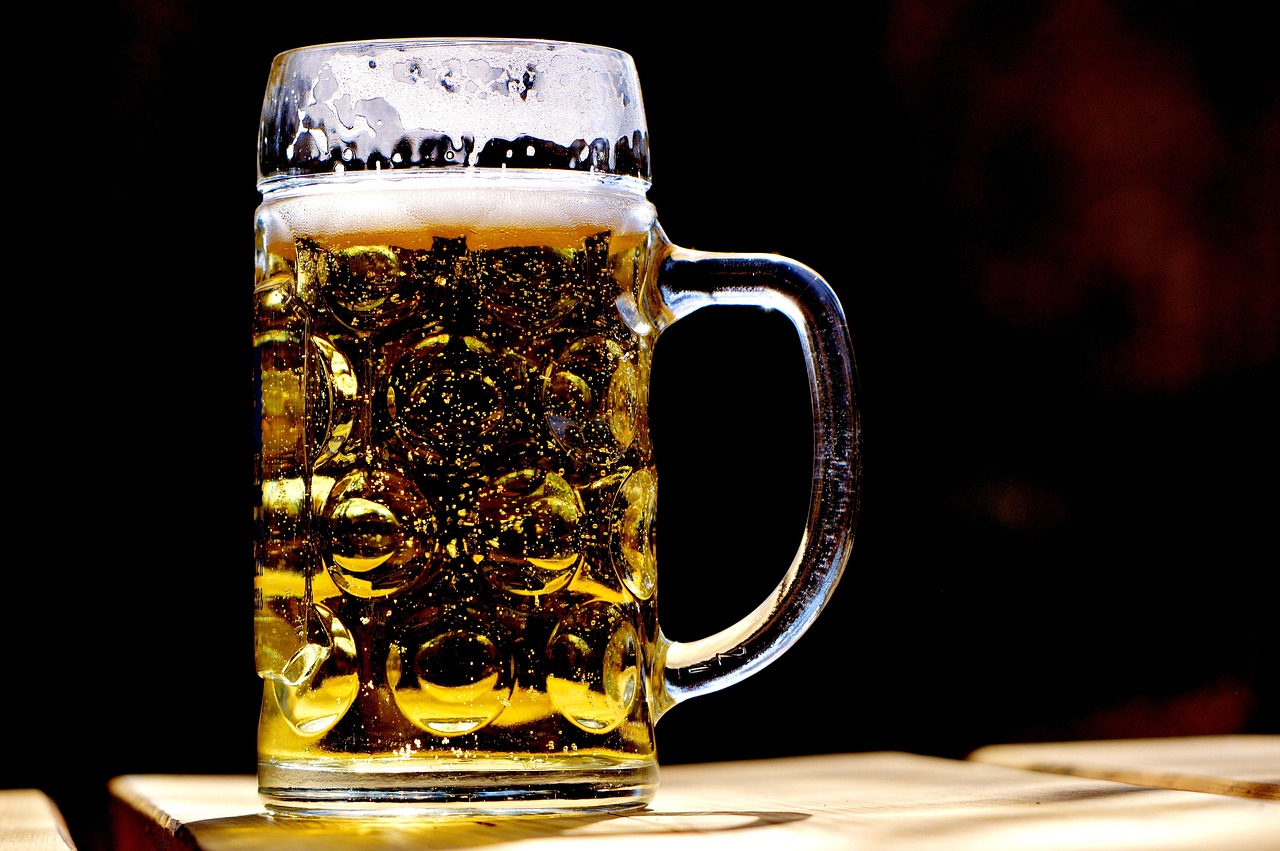
Introduction to German Pilsner Brewing
For more beer tips, check out our beer brewing guides.German Pilsner is a classic beer style that originated in Germany and is known for its crisp, refreshing taste and golden color. Brewing a German Pilsner requires attention to detail and a focus on traditional brewing techniques. In this guide, we will walk you through the equipment and ingredients needed, the step-by-step brewing process, and provide some pro tips to help you brew the perfect German Pilsner.
Equipment List
- Fermenter
- Brew kettle
- Grain mill
- Hops (Hallertau, Tettnang, or Spalt)
- Yeast (German lager yeast)
- Grains (Pilsner malt, Munich malt, and wheat malt)
- Water treatment equipment
Step-by-Step Brewing Process
The brewing process for a German Pilsner involves several steps, including malting, mashing, boiling, fermentation, and conditioning. Here is a brief overview of each step:
- Mash at 152°F (66°C) for 60 minutes to extract the sugars from the grains.
- Boil for 90 minutes to sterilize the wort and add hops for bitterness and flavor.
- Ferment at 50°F (10°C) for 14 days to allow the yeast to convert the sugars into alcohol.
- Condition at 40°F (4°C) for 28 days to allow the flavors to mature and the beer to clarify.
Pro Tips for Brewing a German Pilsner
To brew a high-quality German Pilsner, follow these pro tips:
- Use high-quality ingredients, including fresh hops and yeast.
- Pay attention to water chemistry and treat your water to match the profile of the city of Pilsen.
- Monitor fermentation temperatures closely to ensure a smooth and efficient fermentation.
- Condition the beer for an extended period to allow the flavors to mature and the beer to clarify.
Looking for more brewing resources? Browse our find local breweries or visit our brewing equipment for more tools and tips.
Frequently Asked Questions
Here are some frequently asked questions about brewing a German Pilsner:
- Q: What is the ideal fermentation temperature for a German Pilsner?
- A: The ideal fermentation temperature for a German Pilsner is between 48°F (9°C) and 52°F (11°C).
- Q: How long does it take to brew a German Pilsner?
- A: The brewing process for a German Pilsner typically takes around 6-8 weeks, including fermentation and conditioning.
- Q: What is the difference between a German Pilsner and a Czech Pilsner?
- A: German Pilsners tend to be hoppier and more full-bodied than Czech Pilsners, which are often more delicate and refreshing.