This post contains affiliate links. If you buy through them, brewing.com earns a commission at no cost to you. How we pick products
Tea · Guide
The Ultimate Variable Temperature Kettle Guide for Tea Enthusiasts
| Pick | Best for | Price |
|---|---|---|
| Cosori Gooseneck Electric Kettle, 0.8 L | Best all-round | $69.99 ↗ as of 24 Sep 2026, 4:45am GMT+0000 Details (paid link) |
| Brewista Artisan Electric Gooseneck Kettle | Widest control | $159.99 ↗ as of 24 Sep 2026, 4:45am GMT+0000 Details (paid link) |
| Govee Smart Electric Kettle | Most automated | $79.99 ↗ as of 24 Sep 2026, 4:45am GMT+0000 Details (paid link) |
| Chefman Gooseneck Electric Kettle, 0.8 L | Cheapest with real control | $29.99 ↗ as of 24 Sep 2026, 4:45am GMT+0000 Details (paid link) |
Prices come from Amazon and refresh nightly. A pick shows “Check price” when we do not have a current figure for it.
Introduction to Variable Temperature Kettles
For more tea tips, check out our tea guides.A variable temperature kettle is a must-have for any tea enthusiast. It allows for the precise control of water temperature, which is crucial for bringing out the optimal flavor and aroma of various tea types. In this guide, we will explore the world of variable temperature kettles, including the necessary equipment, step-by-step usage, pro tips, and frequently asked questions.
Equipment List
- Variable temperature kettle
- Tea leaves (choose your favorite type)
- Tea infuser or strainer
- Teapot or cup
- Water filter (optional)
Kettles that meet the specification below
Worth restating the standard this guide sets before the picks: a wide range reaching down to about 150 degrees, and fine control rather than three coarse presets. A kettle offering only “green, black, boil” cannot separate a 150 degree white tea from a 170 degree sencha, and those are different drinks.

Best all-round
Cosori Gooseneck Electric Kettle, 0.8 L
Why it fits
Variable temperature with a hold function, which is the second half of the requirement and the half most kettles skip: reaching a temperature is easy, staying there while you measure leaves is not. The gooseneck spout gives a slow placeable stream, which suits delicate leaf. Stainless interior with no plastic in the water path.
Limitations
Zero point eight litres fills two mugs, not a pot for a table. A gooseneck is slow to pour by design. The hold period is finite, so water left much longer will drift down.
Widest control
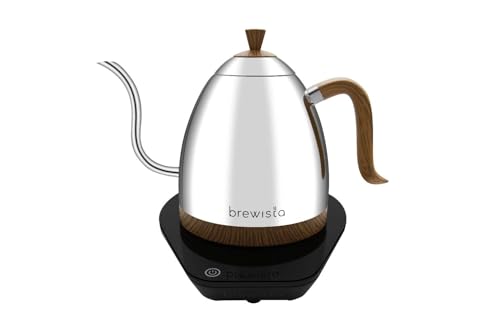
Brewista Artisan Electric Gooseneck Kettle
Why it fits
An LCD panel with precise temperature setting and a hold, in a gooseneck body built for pour-over work, which means the control resolution is finer than tea alone demands and comfortably covers the 150 to 212 degree span this guide describes. The readout shows the current and target temperature together, so you can see it climbing rather than waiting for a beep.
Limitations
Priced well above what a tea-only user needs, since much of the precision exists for coffee brewing. A panel and a heated base make it a larger permanent fixture on a counter than a plain kettle.

Most automated
Govee Smart Electric Kettle
Why it fits
Variable temperature over wifi with scheduling, which turns the temperature table below into stored settings instead of a chart you consult each morning. Gooseneck spout and a hold function, so it does the ordinary job well even before the app is involved.
Limitations
Its distinguishing features require an app and a working network, and a smart appliance is only smart while the manufacturer keeps the service running. As a plain kettle it is more expensive than it needs to be.

Cheapest with real control
Chefman Gooseneck Electric Kettle, 0.8 L
Temperature selection in a 0.8 L gooseneck at the low end of this category. Fewer increments than the kettles above, but it is a genuine variable-temperature kettle rather than a boil-only one.
Choosing the Right Variable Temperature Kettle
When selecting a variable temperature kettle, consider factors such as temperature range, precision, and material. Look for a kettle with a wide temperature range (around 150°F to 212°F) and precise control (in increments of 1°F or 0.5°C). Stainless steel or glass kettles are good options for their durability and non-reactive properties.
Step-by-Step Guide to Using a Variable Temperature Kettle
Follow these steps to brew the perfect cup of tea with your variable temperature kettle:
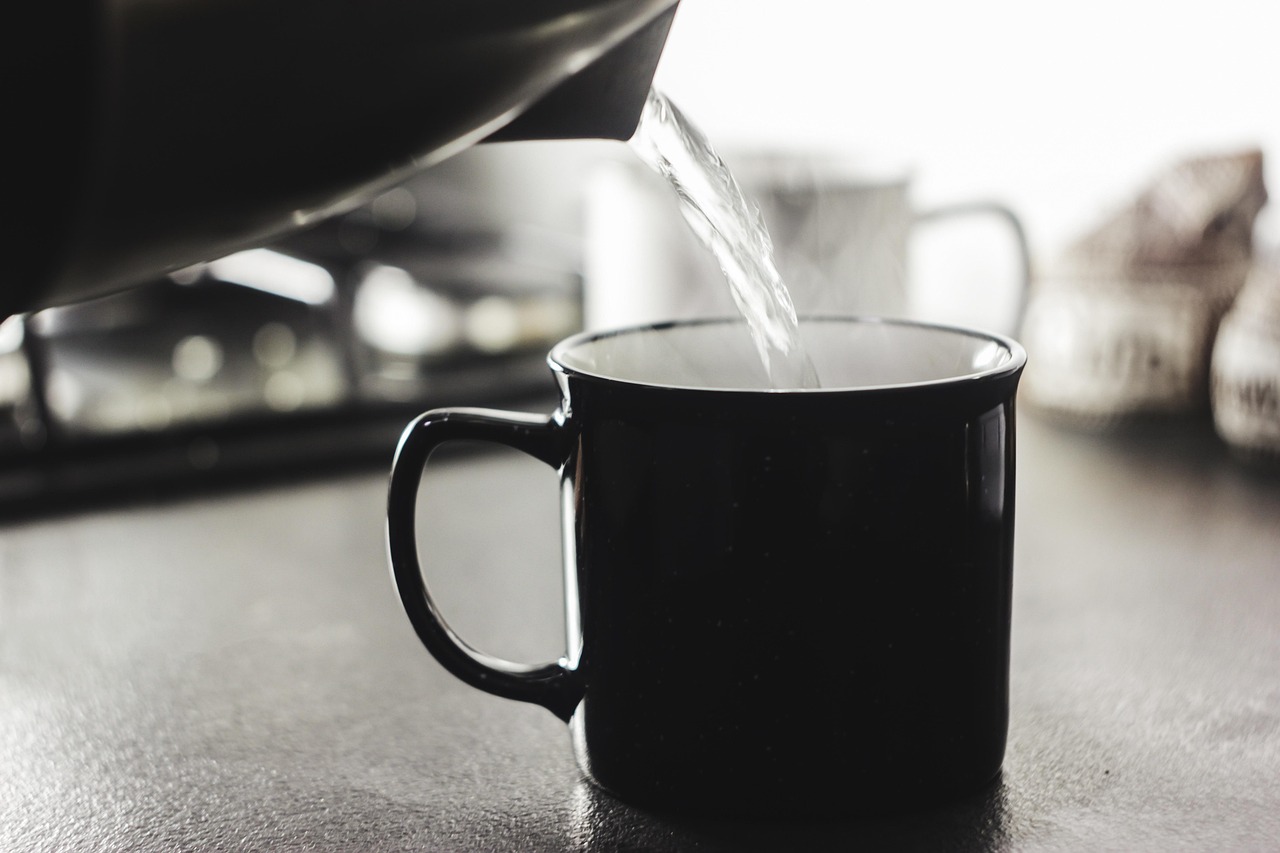
- Fill the kettle with fresh, filtered water.
- Set the desired temperature based on the type of tea you are brewing (see temperature guide below).
- Wait for the water to reach the set temperature.
- Prepare your tea leaves and tea infuser or strainer.
- Pour the heated water over the tea leaves and steep according to the tea’s recommended steeping time.
Temperature Guide for Different Tea Types
- Black tea: 200°F to 212°F (93°C to 100°C)
- Green tea: 160°F to 170°F (71°C to 77°C)
- White tea: 150°F to 160°F (65°C to 71°C)
- Oolong tea: 180°F to 200°F (82°C to 93°C)
Pro Tips for Using a Variable Temperature Kettle
Here are some additional tips to enhance your tea-brewing experience:
- Use fresh, high-quality tea leaves for the best flavor.
- Experiment with different steeping times to find your perfect cup.
- Store your tea leaves in an airtight container to preserve freshness.
- Descale your kettle regularly to prevent mineral buildup.
Looking for more brewing resources? Browse our tea brewing equipment or visit our coffee and tea for more tools and tips.
Frequently Asked Questions
Get answers to common questions about variable temperature kettles:
- Q: What is the ideal temperature for brewing tea?
- A: The ideal temperature varies depending on the type of tea, but a good starting point is between 160°F and 212°F (71°C to 100°C).
- Q: How often should I clean my variable temperature kettle?
- A: Clean your kettle after each use and descale it every 3 to 6 months to prevent mineral buildup.
Shop this guide
Brewista Artisan Electric Gooseneck Kettle, Water Boiler with LCD Panel, Precise Temperature…