This post contains affiliate links. If you buy through them, brewing.com earns a commission at no cost to you. How we pick products
Beer · Equipment
Best Home Kegging Systems Complete Buyer’s Guide
Affiliate disclosure: brewing.com earns a commission from qualifying Amazon purchases. Picks are editorial and not based on hands-on lab testing. How we pick products
| Pick | Best for | Price |
|---|---|---|
| Kegco K309B-2 Double Faucet Digital Kegerator | Best complete system | $919.14 ↗ as of 17 Sep 2026, 2:18am GMT+0000 Details (paid link) |
| Kegco Kegerator Full Size Keg Refrigerator - Single Faucet - D System, Stainless Steel | Worth a look | $682.96 ↗ as of 17 Sep 2026, 2:18am GMT+0000 Details (paid link) |
| MRbrew 128oz Mini Keg Growler System | Best for small spaces | $69.60 ↗ as of 17 Sep 2026, 2:18am GMT+0000 Details (paid link) |
| MRbrew 0-60 PSI CGA-320 Keg Regulator | Best regulator | $40.59 ↗ as of 17 Sep 2026, 2:18am GMT+0000 Details (paid link) |
| YaeBrew Dual Gauge CO2 Regulator, CGA320 | Best budget regulator | $33.99 ↗ as of 17 Sep 2026, 2:18am GMT+0000 Details (paid link) |
| EdgeStar BR3002 Kegerator Conversion Refrigerator | Conversion route | $599.00 ↗ as of 17 Sep 2026, 2:18am GMT+0000 Details (paid link) |
Prices come from Amazon and refresh nightly. A pick shows “Check price” when we do not have a current figure for it.
Ready to take your homebrewing to the next level? A home kegging system transforms how you serve your beer—no more tedious bottling sessions, no more bottle bombs, just fresh draft beer on tap whenever you want it.
After helping dozens of homebrewers set up their kegging systems and testing numerous setups ourselves, we’ve compiled this comprehensive guide to the best home kegging systems available in 2025.
Quick Picks
- Best Complete System: Kegco K309B-2 Double Faucet Kegerator
- Best Budget Option: Kegs and a CO2 setup in a fridge you already own
- Best Regulator: MRbrew 0-60 PSI CGA-320
- Best for Small Spaces: MRbrew Mini Keg Growler System
Why Switch to Kegging?
Bottling a 5-gallon batch takes 2-3 hours. Kegging the same batch? 15 minutes. Beyond the time savings:
- Carbonation Control: Dial in exact CO2 levels for any beer style
- Faster Turnaround: Force carbonate in 24-48 hours vs 2-3 weeks in bottles
- Less Oxidation: Closed transfer = fresher beer
- Professional Presentation: Impress guests with draft beer at home
- No Cleaning Bottles: Seriously, this alone is worth it
Complete Kegerator Systems

Best complete system
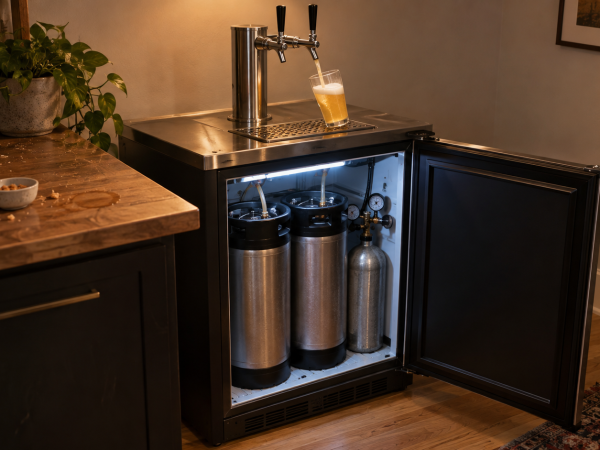
Kegco K309B-2 Double Faucet Digital Kegerator
Two taps and digital temperature control, with enough interior room for multiple Cornelius kegs, which is the configuration that suits a homebrewer rather than someone buying commercial half-barrels. Kegco sells replacement parts for their towers and couplers. Budget for ball-lock disconnects, since the included coupler is set up for commercial kegs.
For a deeper look at cabinets, conversion fridges and the line-balancing that stops a new kegerator pouring foam, see our kegerator guide for homebrewers.

Worth a look
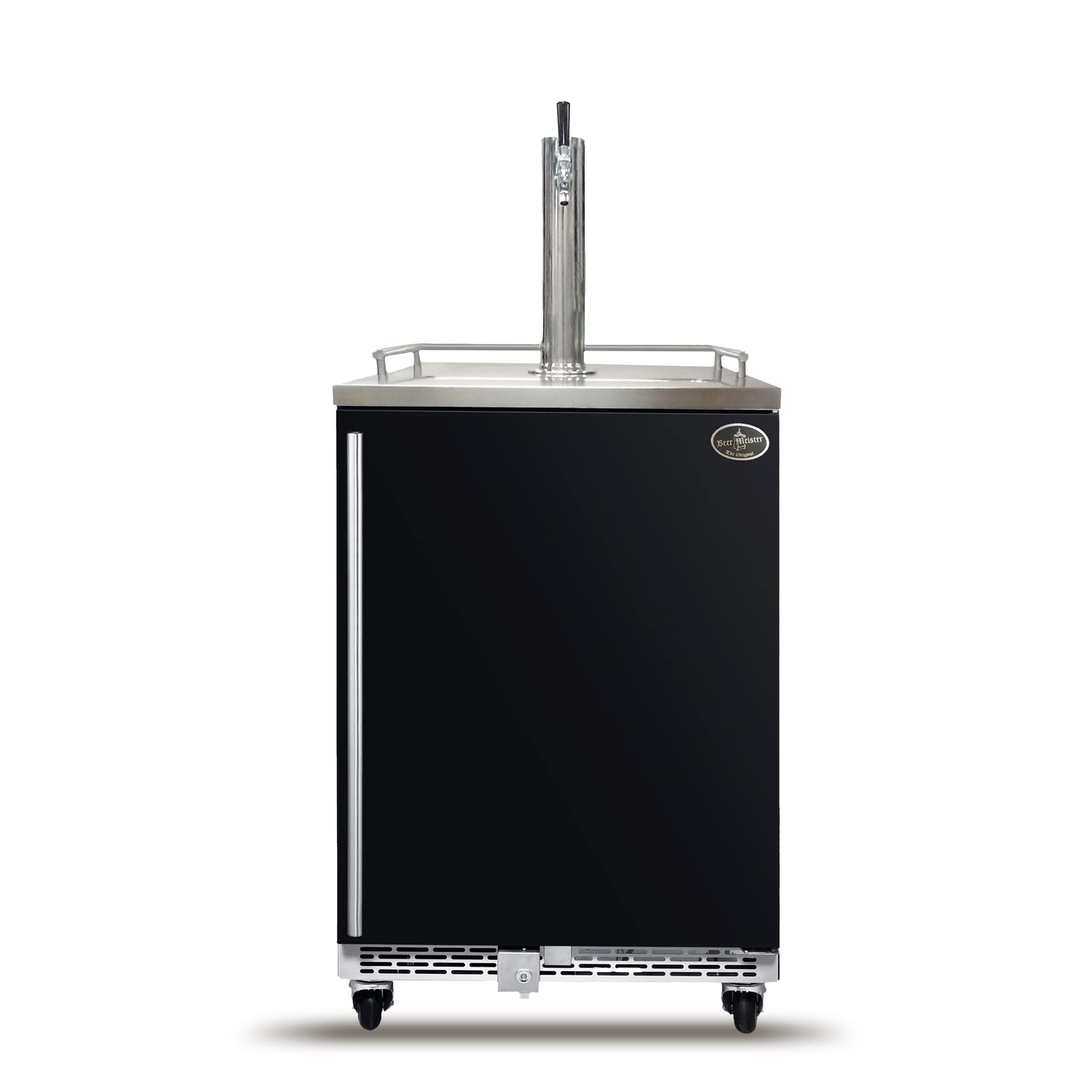
Kegco Kegerator Full Size Keg Refrigerator – Single Faucet – D System, Stainless Steel
The previous pick here was discontinued, and this is the closest current listing in the same class at a comparable price. It fills the same slot: Worth a look. We have not tested it, and the specifics below come from the listing rather than from us.
What’s Included:
- Dual-tap draft tower
- Complete CO2 system with regulator (tank not included)
- Removable drip tray
- Guard rail
- Casters for mobility
- Temperature range: 32°F to 50°F
Pros:
- True dual-tap system – serve two beers simultaneously
- Excellent temperature control
- Stainless steel construction
- Fits standard homebrew kegs
Cons:
- CO2 tank sold separately
- Takes up significant floor space (roughly 2ft × 2ft)
- Availability is unreliable
Key Features:
- Three independent taps with insulated tower
- Professional-grade dual gauge CO2 regulator included
- 5 lb CO2 tank included
- Temperature range: 30°F to 50°F
- Stainless steel door
- Complete kit – nothing else to buy
Best For: Homebrewers who always have multiple beers on tap, serious entertainers, or those wanting a “brewery at home” setup.
Budget-Friendly Kegging Solutions
Build Your Own System
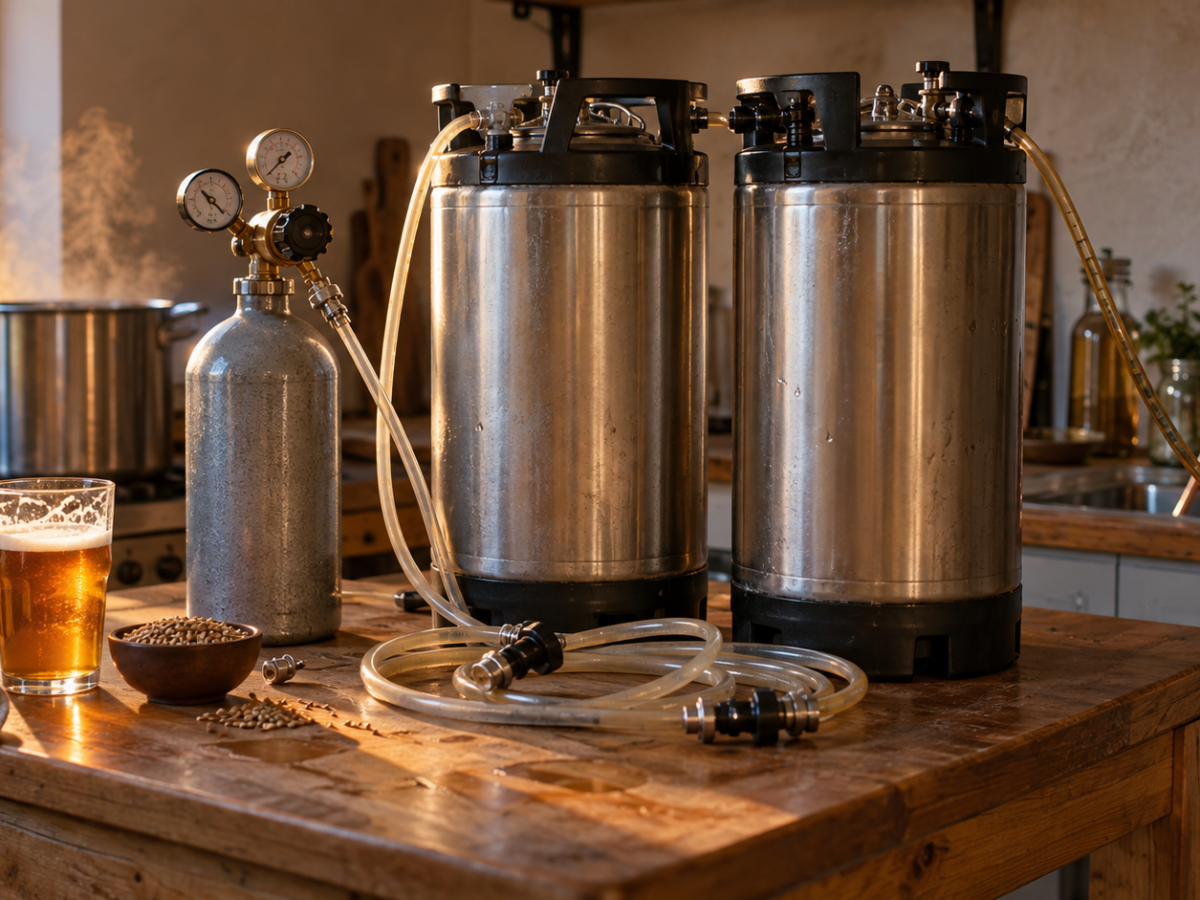
Don’t need a dedicated kegerator? You can keg your beer using your existing refrigerator or chest freezer. Here’s what you need:
Essential Components:
1. Ball Lock Kegs (2-pack recommended)
New or used Cornelius-style kegs. Buy two so you can always have beer on tap while another batch conditions.
2. CO2 Regulator
A dual-gauge regulator shows both tank pressure, so you know when you need a refill, and serving pressure. Picks are below.
3. CO2 Tank (5 lb recommended)
A 5 lb tank will carbonate and serve approximately 5-6 five-gallon batches. Buy local from welding supply shops or homebrew stores.
4. Gas & Liquid Lines with Quick Disconnects
Get proper beer line (3/16″ ID) to prevent foaming. Quick disconnects make keg swaps effortless.
5. Optional: Temperature Controller
If using a chest freezer, add a temperature controller to prevent freezing your beer.

MRbrew Mini Keg System

Best for small spaces
MRbrew 128oz Mini Keg Growler System
A one-gallon pressurised growler with its own dispenser, which is the only route to draft beer that fits in an apartment fridge. It is the sensible way to put a test batch or a split of a bigger batch on tap without owning a kegerator.
Perfect for apartment dwellers or those who brew smaller batches. This 128oz (1 gallon) pressurized growler system keeps beer fresh and carbonated for weeks.
Best For: Small batch brewers, apartment living, taking beer to parties, testing recipes before scaling up.
Essential Accessories
CO2 Regulators – The Heart of Your System
Your regulator is critical for consistent carbonation and serving. Here are our top picks:
MRbrew 0-60 PSI CGA-320 Regulator

Best regulator
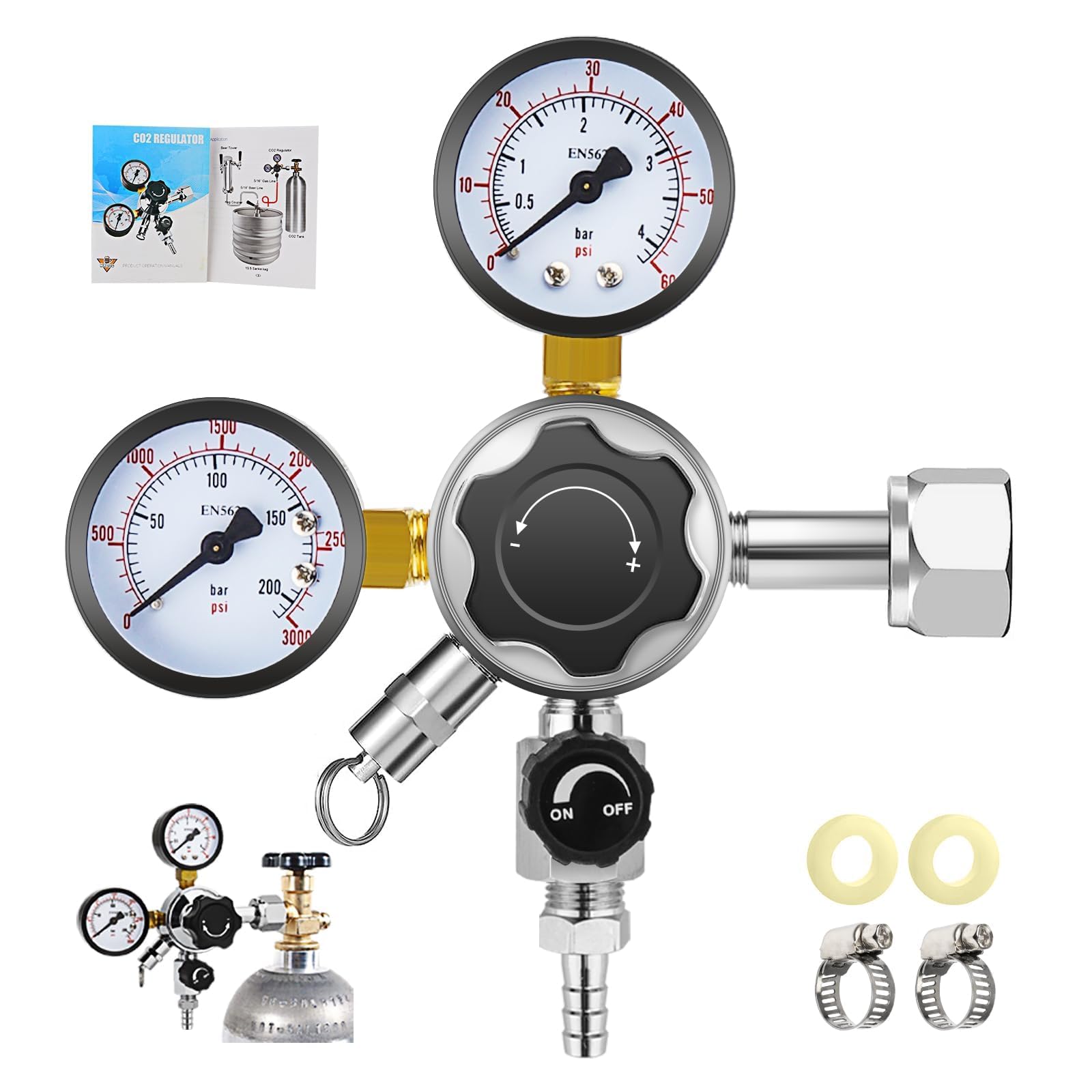
MRbrew 0-60 PSI CGA-320 Keg Regulator
Standard CGA-320 inlet, so it fits any US CO2 tank, and a 0-60 PSI range that covers both serving pressure and a burst carbonation. The 5/16 inch barbed outlet takes standard gas line without an adapter.
A solid step up in pressure stability and adjustment precision. Worth it if you’re serious about hitting a carbonation level and holding it.

YaeBrew Dual Gauge Regulator

Best budget regulator
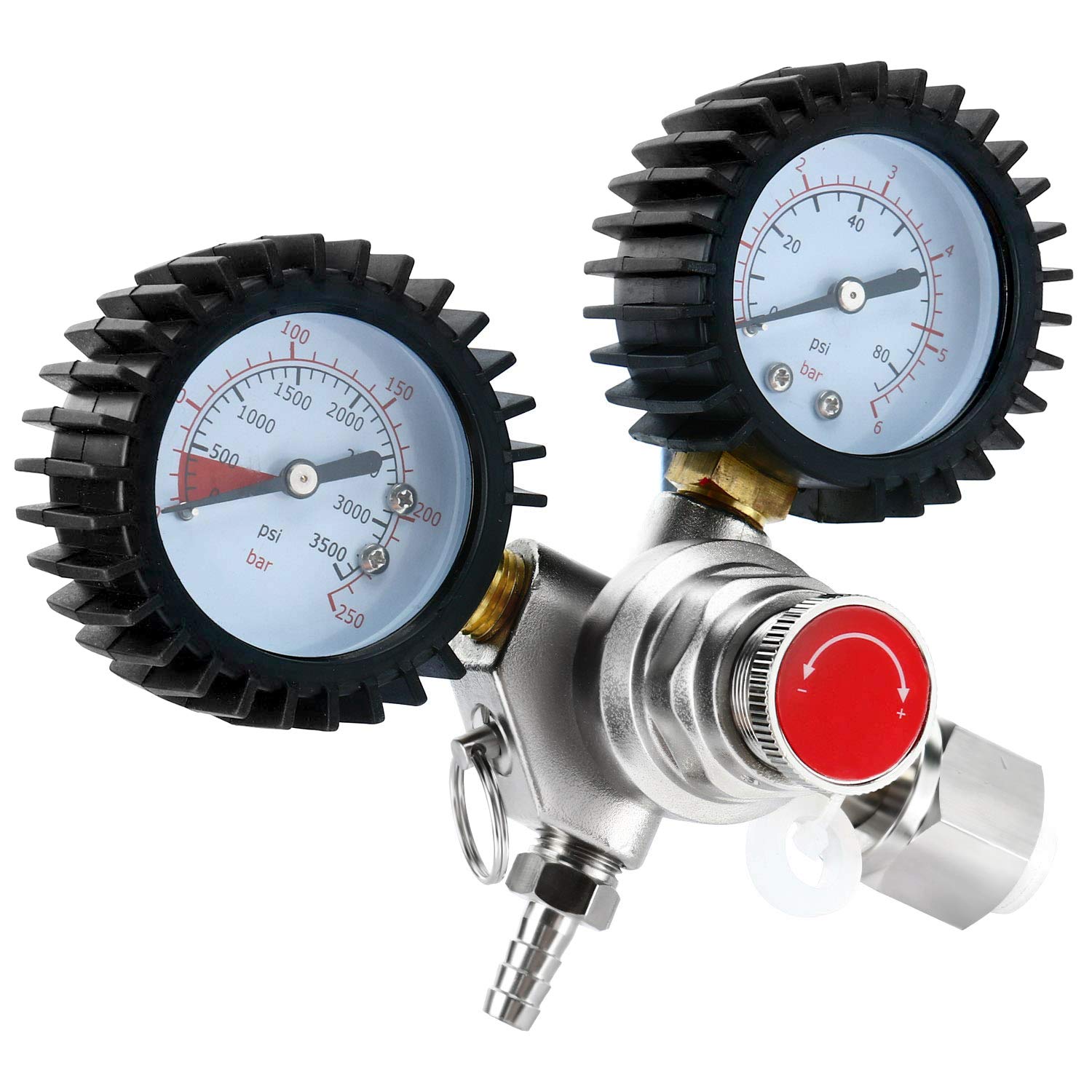
YaeBrew Dual Gauge CO2 Regulator, CGA320
Two gauges, so you can read tank pressure and serving pressure separately, on a CGA320 fitting that matches every US CO2 bottle. This is the cheapest configuration worth owning: a single-gauge regulator leaves you guessing how much gas is left.
Budget option that doesn’t sacrifice the thing that matters. Great for beginners or those building their first system.
Keezers and Conversion Refrigerators
If you want more than two taps, or you want the cabinet to disappear into a room, you are looking at one of two routes.
The chest freezer keezer. A chest freezer plus an external temperature controller, with taps either through a collar you build yourself or through a tower mounted on the lid. It is the cheapest way to get four or more taps and the most work. Hardware for it is sold as individual shanks, faucets and tower kits rather than as one product we can track a price for.
The conversion refrigerator. A fridge built around kegs instead of groceries, with no interior shelving in the way, which you fit with your own tower and taps. You control the tap count and the hardware quality, and you are not paying for a tower you intend to replace.
Conversion route
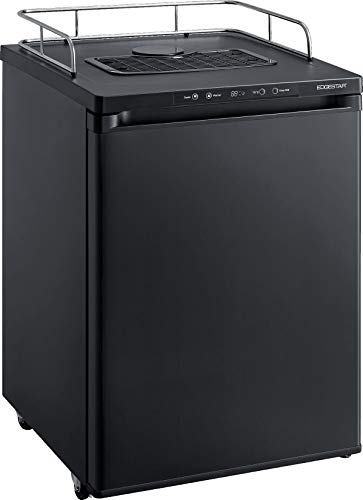
EdgeStar BR3002 Kegerator Conversion Refrigerator
A 24 inch wide refrigerator built to take full size kegs with no shelving in the way, sold without a tower so you choose your own tap count and hardware. Budget separately for the tower, faucets, regulator and CO2, because none of that is in the box.
How to Choose the Right System
Consider Your Brewing Volume
- 1-2 batches/year: Mini keg system or single keg + picnic tap
- 3-6 batches/year: Basic 2-keg system with dorm fridge
- 12+ batches/year: Full kegerator with dual taps
- Always brewing: Triple-tap system or keezer
Space Requirements
- Apartment/Small Space: Mini keg or compact single-tap kegerator
- Standard Kitchen: Undercounter kegerator or dorm fridge conversion
- Dedicated Space: Full-size kegerator or chest freezer keezer
- Garage/Basement: Go big – triple tap or larger
Tiers, Cheapest First
Entry Level:
- 2 used kegs
- Basic dual-gauge regulator
- 5 lb CO2 tank
- Lines and disconnects
- Use existing fridge
Mid-Range:
- New kegerator
- Single or dual tap
- Complete CO2 system
- 2 new kegs
Premium:
- Triple-tap kegerator or custom keezer
- Multiple pressure systems
- 4+ kegs
- Nitro capability
Kegging FAQs
How long does it take to carbonate beer in a keg?
With force carbonation at 30 PSI and cold temperatures (38°F), your beer can be ready in 24-48 hours. “Set and forget” method at serving pressure (10-12 PSI) takes 7-10 days. Natural carbonation with priming sugar takes 2-3 weeks, same as bottles.
How much does it cost to fill a CO2 tank?
A refill is cheap, and one fill of a 5 lb tank will carbonate and serve 5-6 batches of 5-gallon beer. Per batch it is a rounding error next to the ingredients. Prices vary by region, so call your local welding supply or homebrew shop.
Can I use my kegerator for commercial kegs too?
Yes! Most kegerators accept both Cornelius (homebrew) kegs and commercial Sanke kegs. You’ll need different tap connectors for commercial kegs (typically D-system in the US).
What PSI should I serve beer at?
Most ales and lagers: 10-12 PSI at 38°F. IPAs and hoppy beers: 12-14 PSI. Belgians and wheat beers: 12-15 PSI. Stouts on nitro: 30-35 PSI. Always balance your line length with serving pressure to avoid foaming.
How do I clean kegs?
After each batch: rinse immediately, soak with PBW or OxiClean Free, rinse thoroughly, sanitize with Star San, purge with CO2. Takes 15-20 minutes per keg. Deep clean every 5-10 batches by disassembling poppets and dip tubes.
Our Top Recommendation
For most homebrewers, we recommend the Kegco K309B-2 Double Faucet Kegerator. Two taps is the real quality-of-life upgrade over one, it has the interior room for Cornelius kegs, and Kegco supports it with parts.
If budget is tight, start with a basic 2-keg system using your existing refrigerator. You can always upgrade to a dedicated kegerator later while keeping your kegs and CO2 system.
If you want more than two taps, build a keezer or start from a conversion refrigerator and fit your own tower.
Final Thoughts
Switching to kegging is one of the best upgrades you can make as a homebrewer. Yes, there’s an upfront investment, but the time savings, improved beer quality, and sheer convenience make it worth every penny.
Start with a basic system and expand as your needs grow. Within a few batches, you’ll wonder how you ever dealt with bottling.
Ready to set up your draft system? Start with a solid kegerator and quality regulator—your future self will thank you when you’re pouring fresh draft beer instead of washing bottles.
Shop this guide
MRbrew 128oz Mini Keg Growler Portable Draft Beer Dispenser System Pressurized Stainless…