This post contains affiliate links. If you buy through them, brewing.com earns a commission at no cost to you. How we pick products
Coffee · Guide
Espresso Grinder Showdown: Niche vs Baratza
| Pick | Best for | Price |
|---|---|---|
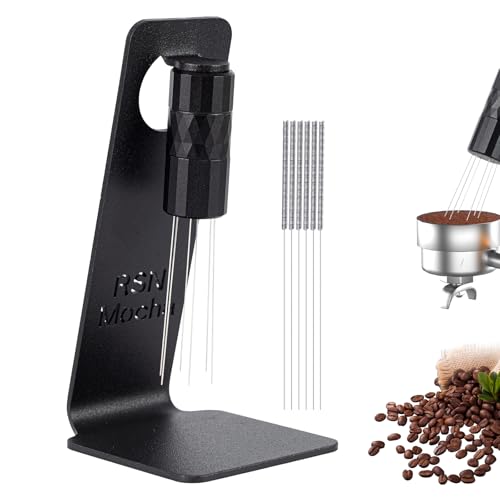
| RSNMocha WDT Tool | Distribution tool | $9.99 ↗ as of 24 Sep 2026, 4:45am GMT+0000 Details (paid link) |
| Baratza Sette 270 | The Baratza in question | $399.95 ↗ as of 24 Sep 2026, 4:45am GMT+0000 Details (paid link) |
| Greater Goods Digital Espresso Scale | Scale | $17.99 ↗ as of 24 Sep 2026, 4:45am GMT+0000 Details (paid link) |
Prices come from Amazon and refresh nightly. A pick shows “Check price” when we do not have a current figure for it.

Introduction to the Espresso Grinder Showdown
For more equipment tips, check out our all equipment reviews.The world of espresso grinding is a complex and nuanced one, with numerous options available for coffee enthusiasts. In this article, we’ll be comparing two popular espresso grinders: the Niche and the Baratza. Both grinders have their own unique strengths and weaknesses, and we’ll be exploring these in detail.
Equipment List
- Niche Espresso Grinder
- Baratza Encore Espresso Grinder
- Espresso machine
- Coffee beans
- Scale
- Grind distribution tool
The Niche Espresso Grinder
The Niche is a high-end espresso grinder that’s known for its precision and consistency. It features a compact design and is constructed from high-quality materials. The Niche is also highly customizable, with adjustable grind settings and a manual dosing system.
The Baratza Espresso Grinder
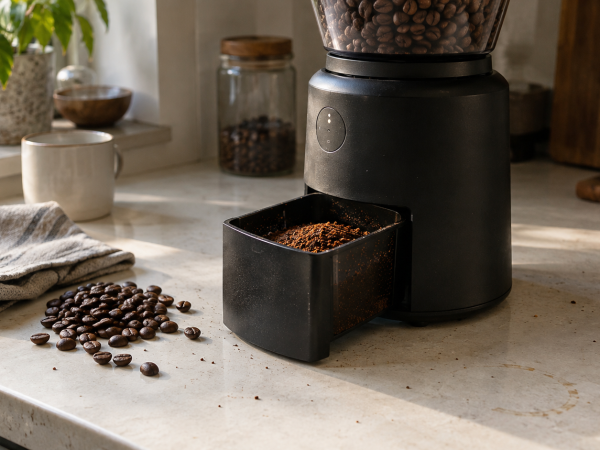
The Baratza is a more affordable option that still offers excellent performance. It features a simple and intuitive design, with a compact footprint and easy-to-use controls. The Baratza also has a range of adjustable grind settings and a removable hopper for easy cleaning.
One point of clarification before the comparison, because the equipment list above is misleading: Baratza does not sell an “Encore Espresso Grinder”. The standard Encore is a filter grinder, and Baratza built a separate model precisely because its step size is too coarse for espresso. The Baratza in this class is the Sette.
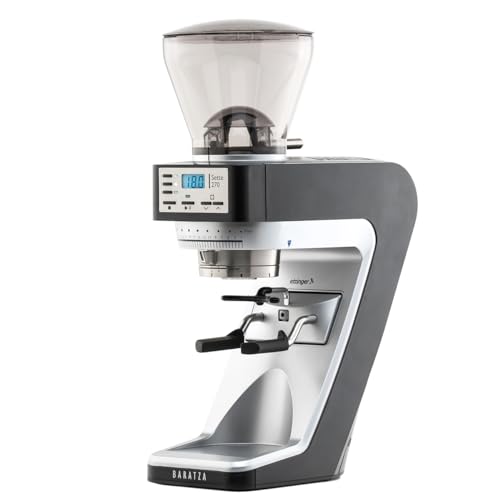
The Baratza in question
Baratza Sette 270
Why it fits
This is Baratza's espresso grinder, as distinct from the filter Encore. It combines numbered macro settings with micro-adjustment between them, which gives you both repeatability and the fine increments espresso needs. Its vertical grind path drops grounds straight into the portafilter and leaves very little behind, so what you weigh in is close to what you get out. Parts diagrams are published and internals are sold separately.
Limitations
Loud enough to be antisocial. The adjustment assembly and plastic body are the parts owners report failing, and the grounds path builds static unless you wet the beans first. It does not go stepless, so the very finest end of the range is still a ladder.
Step-by-Step Comparison
To compare the two grinders, we’ll be following a step-by-step process:
- Grind adjustment: We’ll be adjusting the grind settings on both grinders to optimal levels for espresso.
- Grind distribution: We’ll be using a grind distribution tool to ensure even distribution of the grounds in the portafilter.
- Brewing: We’ll be brewing shots of espresso using both grinders and evaluating the flavor and quality.
Pro Tips for Using Your Espresso Grinder
Here are some pro tips for getting the most out of your espresso grinder:
- Invest in a high-quality coffee scale to ensure accurate measurements.
- Experiment with different grind settings to find the optimal level for your espresso machine.
- Regularly clean and maintain your grinder to prevent buildup and ensure consistent performance.

Scale
Greater Goods Digital Espresso Scale
0.1 g resolution with a footprint that fits on a drip tray, which is what comparing two grinders at a fixed dose actually requires.
Frequently Asked Questions
Here are some frequently asked questions about espresso grinders:
- Q: What’s the difference between a burr grinder and a blade grinder?
- A: Burr grinders use abrasive surfaces to grind the coffee, while blade grinders use a spinning blade. Burr grinders are generally preferred for espresso as they produce a more consistent grind.
- Q: How often should I clean my espresso grinder?
- A: It’s recommended to clean your espresso grinder every 1-2 weeks, depending on usage. This will help prevent buildup and ensure consistent performance.
Shop this guide