This post contains affiliate links. If you buy through them, brewing.com earns a commission at no cost to you. How we pick products
Beer · Guide
German Pilsner Brewing Guide: A Comprehensive Overview
| Pick | Best for | Price |
|---|---|---|
| Inkbird Dual Stage Temperature Controller | The one purchase that makes lager possible | $34.99 ↗ as of 24 Sep 2026, 4:45am GMT+0000 Details (paid link) |
| Northern Brewer MegaPot Stainless Steel Brew Kettle with Volume Markings | Kettle | $249.99 ↗ as of 24 Sep 2026, 4:45am GMT+0000 Details (paid link) |
| FERRODAY Malted Grain Mill, 2 Roller Stainless Steel | Grain mill | $92.90 ↗ as of 24 Sep 2026, 4:45am GMT+0000 Details (paid link) |
| Brewer's Elite Hydrometer & Plastic Test Jar | Hydrometer | $21.99 ↗ as of 24 Sep 2026, 4:45am GMT+0000 Details (paid link) |
| Fermtech Mini Auto-Siphon | Siphon and racking cane | $8.99 ↗ as of 24 Sep 2026, 4:45am GMT+0000 Details (paid link) |
| Fastrack Twin Bubble Airlock and Carboy Bung (2-Pack) | Airlock and bung | $6.29 ↗ as of 24 Sep 2026, 4:45am GMT+0000 Details (paid link) |
| Five Star Star San, 32 Ounce | Sanitiser | $28.98 ↗ as of 24 Sep 2026, 4:45am GMT+0000 Details (paid link) |
| Northern Brewer Copperhead Copper Immersion Wort Chiller | Get to pitching temperature | $164.99 ↗ as of 24 Sep 2026, 4:45am GMT+0000 Details (paid link) |
| Calcium Chloride, 2 oz | Water is part of the style | $6.95 ↗ as of 24 Sep 2026, 4:45am GMT+0000 Details (paid link) |
Prices come from Amazon and refresh nightly. A pick shows “Check price” when we do not have a current figure for it.

Introduction to German Pilsner Brewing
For more beer tips, check out our beer brewing guides.German Pilsner, a style of lager beer that originated in Germany, is known for its crisp, refreshing taste and golden color. Brewing a German Pilsner requires attention to detail and a focus on traditional techniques. In this guide, we will walk you through the process of brewing a high-quality German Pilsner.
Equipment List
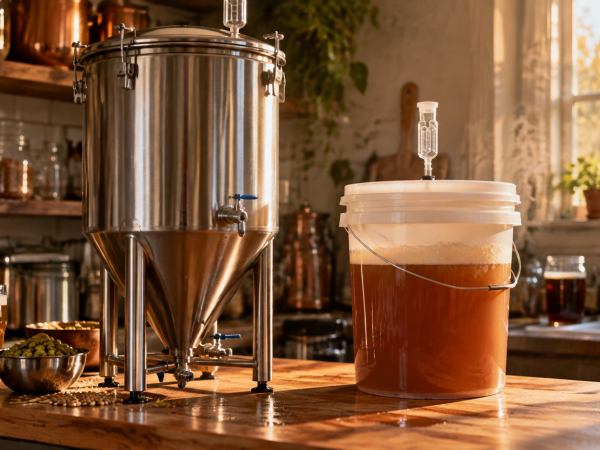
- Fermenter
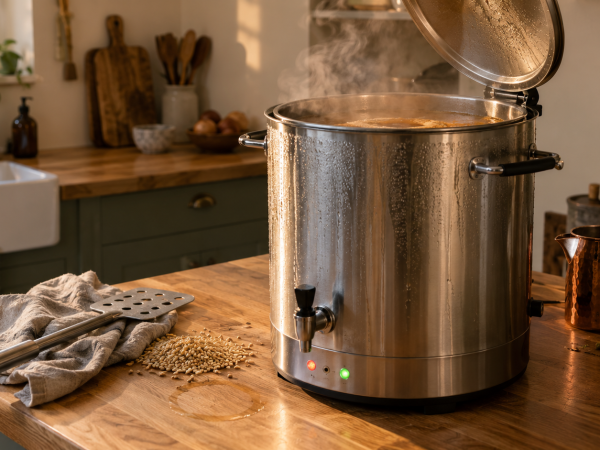
- Brew kettle
- Grain mill
- Hydrometer
- Siphon and racking cane
- Airlock and bung
- Sanitizer
- Thermometer

The one purchase that makes lager possible
Inkbird Dual Stage Temperature Controller
Why it fits
A German pilsner ferments cold, around 50°F, then lagers colder still for weeks. No room in a house holds that, so a controller plus a spare refrigerator is not an optional upgrade for this style; it is the entry requirement. Dual stage also warms for the diacetyl rest at the end of fermentation.
Limitations
It controls chamber air rather than the beer. Fermentation runs warmer than ambient, so tape the probe to the fermenter under insulation for a reading that reflects the wort.
Kettle
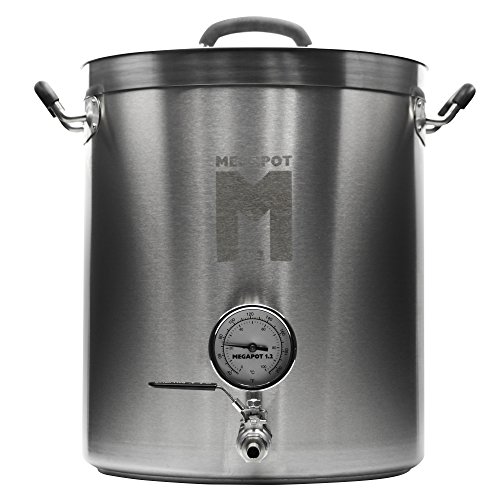
Northern Brewer MegaPot Stainless Steel Brew Kettle with Volume Markings
Why it fits
Pilsner is the least forgiving style for volume error, because there is no roast or hop character to hide a gravity miss behind. Volume markings turn efficiency from a guess into a number.
Limitations
A bare kettle with no valve or thermometer, and it does not address the cooling this style needs most.

Grain mill
FERRODAY Malted Grain Mill, 2 Roller Stainless Steel
Pilsner malt is a single-malt bill, so crush quality is the whole of your efficiency. An adjustable roller gap is the only way to tune it.

Hydrometer
Brewer's Elite Hydrometer & Plastic Test Jar
Triple scale, plastic test jar. Gravity readings days apart are the only reliable signal that fermentation has actually finished.

Siphon and racking cane
Fermtech Mini Auto-Siphon
One stroke to start, and the standoff tip keeps the intake clear of the yeast cake.

Airlock and bung
Fastrack Twin Bubble Airlock and Carboy Bung (2-Pack)
Vents CO2 without letting air back in, and holds its water seal through temperature swings.
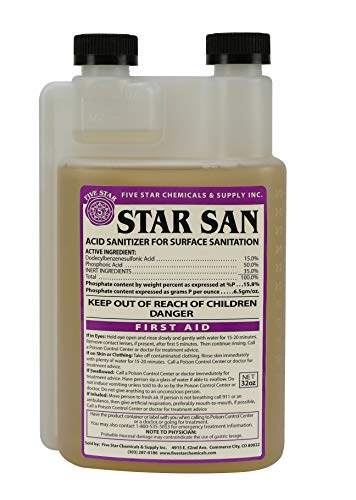
Sanitiser
Five Star Star San, 32 Ounce
Acid-based, no-rinse at working strength, so sanitised equipment goes straight back into use.

Get to pitching temperature
Northern Brewer Copperhead Copper Immersion Wort Chiller
A lager has to be chilled to around 50°F before pitching, which is well below what groundwater alone will do in most of the year. A fast chiller gets you to the low 60s so the fermentation fridge can finish the job overnight.
Step-by-Step Brewing Process
The brewing process for a German Pilsner involves several key steps. First, you will need to mash your grains to extract the fermentable sugars. Next, you will boil the resulting wort with hops to add bitterness, flavor, and aroma. After boiling, you will cool the wort and pitch your yeast to begin fermentation.
Mashing
Mashing involves soaking your grains in hot water to extract the fermentable sugars. For a German Pilsner, you will typically use a single-infusion mash at a temperature of around 152°F (66°C).
Boiling
After mashing, you will boil the resulting wort with hops to add bitterness, flavor, and aroma. For a German Pilsner, you will typically use a 60-minute boil with hops added at various times to achieve the desired levels of bitterness and flavor.
Fermentation
After boiling, you will cool the wort and pitch your yeast to begin fermentation. For a German Pilsner, you will typically use a lager yeast and ferment at a temperature of around 55°F (13°C).
Pro Tips for Brewing a German Pilsner
To brew a high-quality German Pilsner, there are several pro tips to keep in mind. First, make sure to use high-quality ingredients, including fresh grains and hops. Second, pay close attention to your brewing temperatures and times to ensure that you are achieving the desired levels of extraction and fermentation. Finally, be patient and allow your beer to age for several weeks to develop its full flavor and character.
Common Mistakes to Avoid
- Using low-quality ingredients
- Not paying close attention to brewing temperatures and times
- Rushing the fermentation and aging process

Water is part of the style
Calcium Chloride, 2 oz
Pilsen's water is famously soft and low in everything. Home tap water is usually the opposite, and small calcium additions are how brewers correct the mash pH without adding the sulfate and chloride character a pilsner should not have.
Looking for more brewing resources? Browse our find local breweries or visit our brewing equipment for more tools and tips.
Frequently Asked Questions
Here are some frequently asked questions about brewing a German Pilsner:
What type of yeast should I use for a German Pilsner?
For a German Pilsner, you should use a lager yeast. Some popular options include Saflager S-23 and Wyeast 2007.
What is the ideal fermentation temperature for a German Pilsner?
The ideal fermentation temperature for a German Pilsner is around 55°F (13°C).
How long should I age my German Pilsner?
You should age your German Pilsner for at least several weeks to develop its full flavor and character. The exact length of time will depend on your personal preferences and the specific characteristics of your beer.
Shop this guide