This post contains affiliate links. If you buy through them, brewing.com earns a commission at no cost to you. How we pick products
Beer · Guide
How to Brew Beer at Home: Complete Beginner’s Guide
| Pick | Best for | Price |
|---|---|---|
| Fermtech Mini Auto-Siphon | Auto-siphon | $8.99 ↗ as of 24 Sep 2026, 4:45am GMT+0000 Details (paid link) |
| 3/8" Bottle Filler with Spring | Bottle filler | $8.83 ↗ as of 24 Sep 2026, 4:45am GMT+0000 Details (paid link) |
| FastRack Amber Beer Bottles 12oz, Pack of 24 | Bottles | $25.99 ↗ as of 24 Sep 2026, 4:45am GMT+0000 Details (paid link) |
| Craft a Brew Capping Kit with 100 Bottle Caps | Capper and caps together | $24.99 ↗ as of 24 Sep 2026, 4:45am GMT+0000 Details (paid link) |
| 144 Oxygen Absorbing Beer Bottle Crown Caps | Refill caps | $9.89 ↗ as of 24 Sep 2026, 4:45am GMT+0000 Details (paid link) |
| Five Star Star San, 32 Ounce | Sanitiser | $28.98 ↗ as of 24 Sep 2026, 4:45am GMT+0000 Details (paid link) |
| Brewer's Elite Hydrometer & Plastic Test Jar | Hydrometer | $21.99 ↗ as of 24 Sep 2026, 4:45am GMT+0000 Details (paid link) |
| Northern Brewer Essential Brew. Share. Enjoy. HomeBrewing Starter Set | Everything above in one box | $109.99 ↗ as of 24 Sep 2026, 4:45am GMT+0000 Details (paid link) |
| Northern Brewer Brew. Share. Enjoy. HomeBrewing Starter Set | The larger version of the same set | $155.99 ↗ as of 24 Sep 2026, 4:45am GMT+0000 Details (paid link) |
| Home Brew Ohio Imperial Pale Ale Beer Ingredient Kit | A first extract kit | $45.74 ↗ as of 24 Sep 2026, 4:45am GMT+0000 Details (paid link) |
| Brewer's Best Kölsch Home Brew Beer Ingredient Kit, 5 Gallon | Or something gentler | $38.96 ↗ as of 24 Sep 2026, 4:45am GMT+0000 Details (paid link) |
| Priming Sugar 5 oz, Two Packages | Priming sugar | $7.35 ↗ as of 24 Sep 2026, 4:45am GMT+0000 Details (paid link) |
| Inkbird Dual Stage Temperature Controller | What temperature control means | $34.99 ↗ as of 24 Sep 2026, 4:45am GMT+0000 Details (paid link) |
Prices come from Amazon and refresh nightly. A pick shows “Check price” when we do not have a current figure for it.
Why Brew Your Own Beer?
Homebrewing is rewarding, creative, and more affordable than you think. You will save money per bottle against buying the equivalent craft beer, experiment with unlimited styles, and join a passionate community. Plus, nothing beats sharing a beer you brewed yourself.
What You’ll Need to Get Started
Essential Equipment
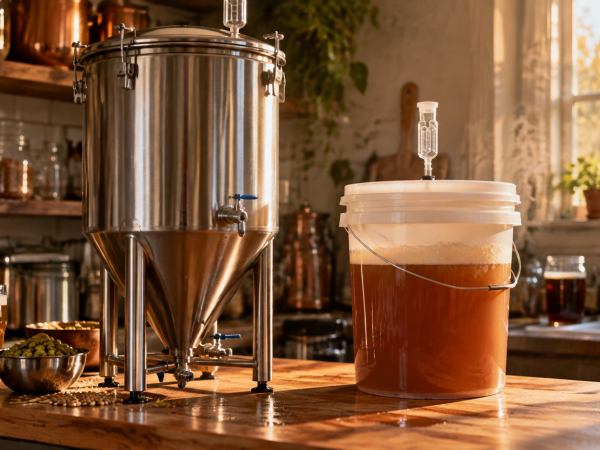
- Fermenting Bucket – 5-gallon food-grade plastic with airlock
- Airlock and Stopper – Allows CO2 to escape during fermentation
- Bottling Bucket – With spigot for easy bottling
- Auto-Siphon – For transferring beer without oxidation
- Bottle Filler – Spring-loaded wand for mess-free bottling
- Bottles – 48-54 12oz bottles (recycle from store-bought beer)
- Bottle Capper and Caps – Bench or wing capper plus a bag of crown caps
- Sanitizer – Star San is most popular
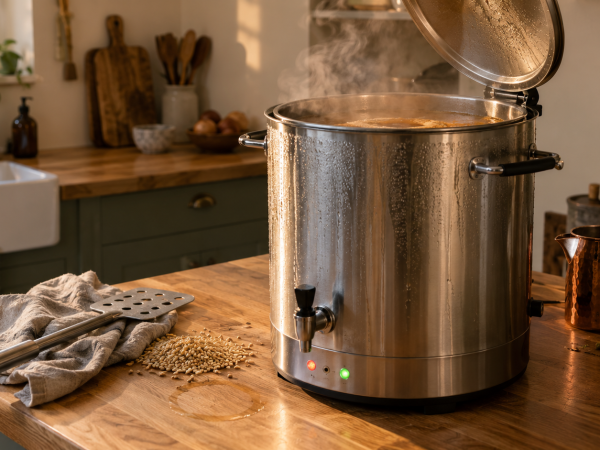
- Large Pot – Minimum 3 gallons, 5+ gallons better
- Thermometer – For monitoring temperatures
- Hydrometer – Measures alcohol content

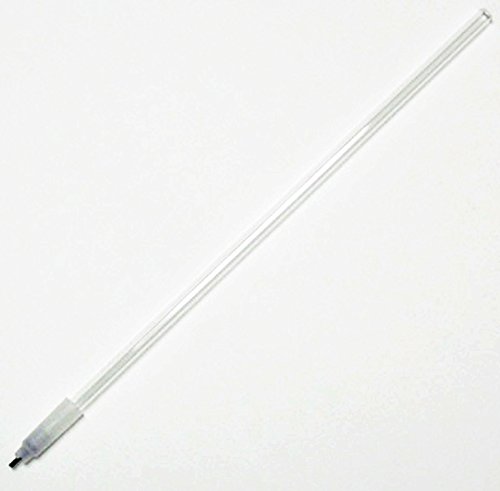
Auto-siphon
Fermtech Mini Auto-Siphon
Starts the siphon on one stroke with no mouth on the tube. The standoff tip keeps the intake above the yeast cake, which is the point of the step-6 warning about disturbing sediment.
Bottle filler
3/8" Bottle Filler with Spring
The spring valve opens only against the bottom of the bottle, so beer fills upward instead of splashing through air. Pulling it out leaves almost exactly the inch of headspace step 6 asks for.

Bottles
FastRack Amber Beer Bottles 12oz, Pack of 24
Amber glass blocks the wavelengths that skunk hopped beer, and these are pry-off rather than twist-off, which is what a crown capper needs. Two packs covers a 5 gallon batch.

Capper and caps together
Craft a Brew Capping Kit with 100 Bottle Caps
A capper plus enough caps for two batches. Caps are single-use, so the bag runs out long before the capper does.

Refill caps
144 Oxygen Absorbing Beer Bottle Crown Caps
Oxygen-absorbing liners scavenge the air trapped in the headspace, which is the main thing that stales bottle-conditioned beer over months.
Sanitiser
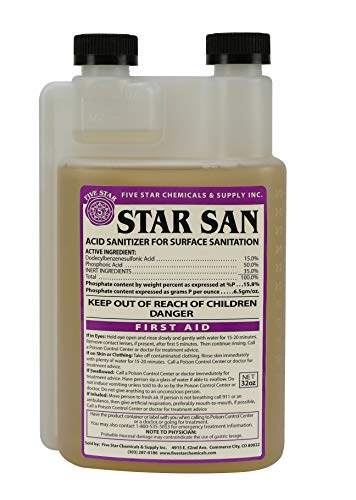
Five Star Star San, 32 Ounce
The product step 1 names by name. No-rinse at working strength, and the foam is not a problem: the article's own rule is that foam does not hurt beer.

Hydrometer
Brewer's Elite Hydrometer & Plastic Test Jar
Step 5 defines finished fermentation as a stable gravity reading, not a quiet airlock. Without this you are guessing, and guessing is how step 6 produces the glass grenades warned about below.
Everything above in one box
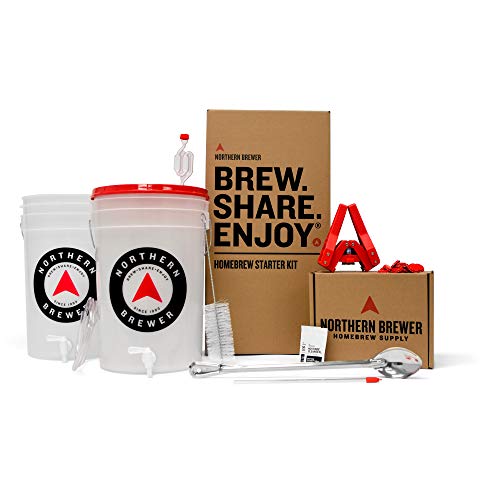
Northern Brewer Essential Brew. Share. Enjoy. HomeBrewing Starter Set
Why it fits
Buying the equipment list above piece by piece costs more than this and leaves you discovering the missing item on brew day. The set covers fermenter, airlock, siphon, bottling and a recipe, which is the whole first batch.
Limitations
The included kettle and bottles are the parts you outgrow first, and there is no wort chiller, so your first few batches will cool in an ice bath.
The larger version of the same set
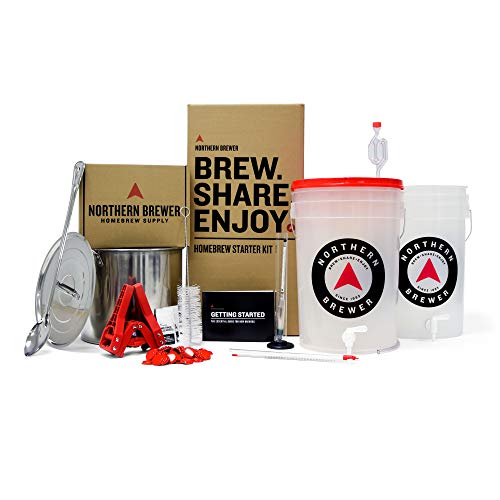
Northern Brewer Brew. Share. Enjoy. HomeBrewing Starter Set
Why it fits
The step up adds equipment the essential set leaves out, so the first thing you have to buy separately arrives later. If you already know you will brew more than once, the difference is smaller than buying the gaps individually.
Limitations
More money committed before you know whether you enjoy the hobby. If you are unsure, the essential set answers that question for less.
Ingredients for Your First Batch
- Malt Extract – Pre-made beer ingredient kit includes malt, hops, and yeast
- Priming Sugar – For carbonation (usually included in kit)

A first extract kit
Home Brew Ohio Imperial Pale Ale Beer Ingredient Kit
Malt, hops and yeast measured against one recipe, which is exactly what the pro tip below about starting with extract kits means.

Or something gentler
Brewer's Best Kölsch Home Brew Beer Ingredient Kit, 5 Gallon
A clean, pale, low-hop style. Faults hide nowhere in a Kölsch, which makes it a better teacher than a big hoppy beer for a first batch.

The Homebrewing Process (Extract Method)
Step 1: Sanitize Everything
This is the MOST IMPORTANT step. Everything that touches your beer after boiling must be sanitized. Mix Star San according to directions (1 oz per 5 gallons water). Soak all equipment for 2 minutes.
Step 2: Boil the Wort
Fill your pot with 2.5-3 gallons of water. Heat to 160°F, remove from heat, and stir in malt extract until completely dissolved. Return to heat and bring to a rolling boil. Add hops according to your kit’s schedule (typically at 60 minutes, 15 minutes, and 0 minutes before end of boil). Boil for 60 minutes total.
Step 3: Cool the Wort
Cool wort to 70-75°F as quickly as possible. Use an ice bath (place pot in sink filled with ice water) or a wort chiller. This takes 20-40 minutes. Quick cooling prevents contamination and improves clarity.
Step 4: Transfer to Fermenter
Pour cooled wort into sanitized fermenting bucket. Add cold water to reach 5 gallons total. Take a hydrometer reading (your Original Gravity). Pitch (add) yeast by sprinkling it on top. Seal bucket and attach airlock filled with sanitizer or vodka.
Step 5: Fermentation (1-2 weeks)
Store fermenter in a dark place at 65-72°F. Within 24 hours, you’ll see bubbling in the airlock. Primary fermentation takes 7-14 days. Fermentation is complete when bubbling stops and gravity reading is stable for 2-3 days.
Step 6: Bottling
Boil priming sugar (5 oz for 5 gallons) in 2 cups water for 5 minutes. Cool and add to sanitized bottling bucket. Siphon beer from fermenter to bottling bucket (avoid disturbing sediment). Fill bottles using bottle filler, leaving 1 inch headspace. Cap immediately.
Step 7: Carbonation (2 weeks)
Store bottles at room temperature for 2 weeks. The priming sugar will carbonate your beer. After 2 weeks, refrigerate and enjoy!
Pro Tips for First-Time Brewers
- Sanitize obsessively – Infection ruins batches
- Take good notes – Record everything for repeating successes
- Be patient – Rushing leads to off-flavors
- Control temperature – Consistent temps produce better beer
- Start with extract kits – Don’t jump to all-grain yet
- Join a homebrew club – Local knowledge is invaluable

What temperature control means
Inkbird Dual Stage Temperature Controller
Step 5 asks for 65-72°F held steady. A spare fridge plus this holds that band year-round; a cupboard does not.
Common Beginner Mistakes
- Not sanitizing properly
- Boiling over (watch your pot!)
- Pitching yeast into hot wort (kills the yeast)
- Bottling too early (glass grenades from over-carbonation)
- Using too much priming sugar
- Opening fermenter frequently (risk of infection)
Shop this guide