This post contains affiliate links. If you buy through them, brewing.com earns a commission at no cost to you. How we pick products
Wine · Guide
Mead vs Wine: Uncovering the Brewing Differences
| Pick | Best for | Price |
|---|---|---|
| FerMonster 6 Gallon Carboy | Fermenter | $49.95 ↗ as of 24 Sep 2026, 4:45am GMT+0000 Details (paid link) |
| Brewer's Elite Hydrometer & Plastic Test Jar | Hydrometer | $21.99 ↗ as of 24 Sep 2026, 4:45am GMT+0000 Details (paid link) |
| Fermtech Mini Auto-Siphon | Siphon and racking cane | $8.99 ↗ as of 24 Sep 2026, 4:45am GMT+0000 Details (paid link) |
| Fastrack Twin Bubble Airlock and Carboy Bung (2-Pack) | Airlock and bung | $6.29 ↗ as of 24 Sep 2026, 4:45am GMT+0000 Details (paid link) |
| Five Star Star San, 32 Ounce | Sanitiser | $28.98 ↗ as of 24 Sep 2026, 4:45am GMT+0000 Details (paid link) |
| Brewer's Best Wildflower Honey, 2 lb Jar | Honey, for the mead side | $15.99 ↗ as of 24 Sep 2026, 4:45am GMT+0000 Details (paid link) |
| Red Star Premier Cuvée Wine Yeast, 10 Pack | Yeast that covers both | $8.99 ↗ as of 24 Sep 2026, 4:45am GMT+0000 Details (paid link) |
| Fermax Yeast Nutrient, 1 lb | Only the mead needs this | $20.82 ↗ as of 24 Sep 2026, 4:45am GMT+0000 Details (paid link) |
Prices come from Amazon and refresh nightly. A pick shows “Check price” when we do not have a current figure for it.
Introduction to Mead and Wine
For more wine tips, check out our wine making guides.Mead and wine are two popular beverages with distinct brewing processes. Mead, often referred to as honey wine, is made from fermented honey, while wine is made from fermented grapes. In this article, we will delve into the brewing differences between mead and wine, exploring the equipment, steps, and pro tips for each.
Equipment for Mead and Wine Brewing
While some equipment may overlap, there are specific tools required for each brewing process. Here is a list of equipment needed for mead and wine brewing:
- Fermenter
- Brewing pot
- Hydrometer
- Siphon and racking cane
- Airlock and bung
- Sanitizer
- Honey (for mead) or grapes (for wine)
- Yeast (specific to mead or wine)

Fermenter
FerMonster 6 Gallon Carboy
Works for either. Both mead and wine spend months in the vessel, which is why a clear one with a mouth you can reach into beats an opaque bucket here.

Hydrometer
Brewer's Elite Hydrometer & Plastic Test Jar
Triple scale reads high enough for a honey must, which is denser than grape must and much denser than wort.

Siphon and racking cane
Fermtech Mini Auto-Siphon
Both processes above rack at least once. The standoff tip is what leaves the lees where they are.

Airlock and bung
Fastrack Twin Bubble Airlock and Carboy Bung (2-Pack)
Both step lists tell you to monitor the airlock. Twin bubble holds its water through a months-long ferment.
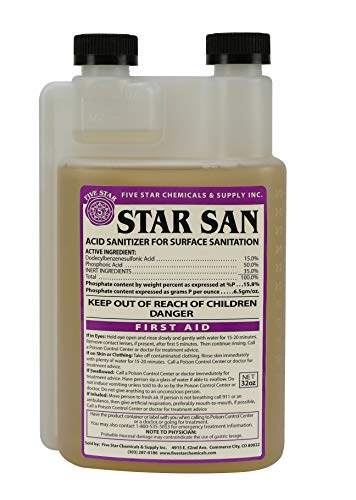
Sanitiser
Five Star Star San, 32 Ounce
Acid-based, no-rinse at working strength. The pro tips below open on sanitation and this is what that means in practice.

Honey, for the mead side
Brewer's Best Wildflower Honey, 2 lb Jar
The fermentable that defines the difference this article is about. A 5 gallon traditional mead needs roughly 15 lb, so scale the order accordingly.

Yeast that covers both
Red Star Premier Cuvée Wine Yeast, 10 Pack
High alcohol tolerance and wide temperature range make it a reasonable single strain for a first mead and a first wine, which is exactly the comparison this article invites.

Only the mead needs this
Fermax Yeast Nutrient, 1 lb
The real practical difference between the two processes. Grape must feeds the yeast; honey must does not, and skipping nutrient is why first meads stall and smell of sulfur.
Brewing Mead: Step-by-Step Guide
Brewing mead involves several steps, from preparing the must to bottling the final product. Here is a simplified step-by-step guide to brewing mead:
- Prepare the must: Mix honey with water to create the must, which will be fermented.
- Pitch the yeast: Add yeast specifically designed for mead fermentation to the must.
- Ferment the must: Allow the must to ferment, monitoring the airlock for activity.
- Rack the mead: Transfer the mead to a secondary fermenter, leaving behind sediment.
- Bottle the mead: Once fermentation is complete, bottle the mead and store it in a cool, dark place.
Brewing Wine: Step-by-Step Guide
Brewing wine involves several steps, from harvesting grapes to bottling the final product. Here is a simplified step-by-step guide to brewing wine:
- Harvest grapes: Select and harvest grapes suitable for wine production.
- Crush and de-stem grapes: Prepare the grapes for fermentation by crushing and removing stems.
- Ferment the grapes: Allow the grape juice to ferment, monitoring the airlock for activity.
- Press the wine: Transfer the wine to a secondary fermenter, pressing the grape skins to extract flavor and color.
- Bottle the wine: Once fermentation is complete, bottle the wine and store it in a cool, dark place.
Pro Tips for Mead and Wine Brewing
Here are some pro tips to help you improve your mead and wine brewing skills:
- Sanitize all equipment to prevent contamination and spoilage.
- Monitor fermentation temperatures to ensure optimal yeast activity.
- Use high-quality ingredients, including pure honey and fresh grapes.
- Be patient, as brewing mead and wine can take several months to a year or more to complete.
Frequently Asked Questions
Here are some frequently asked questions about mead and wine brewing:
- Q: What is the difference between mead and wine?
- A: Mead is made from fermented honey, while wine is made from fermented grapes.
- Q: How long does it take to brew mead or wine?
- A: Brewing mead or wine can take several months to a year or more to complete.
- Q: What equipment do I need to brew mead or wine?
- A: You will need a fermenter, brewing pot, hydrometer, siphon and racking cane, airlock and bung, sanitizer, and high-quality ingredients.
Shop this guide