This post contains affiliate links. If you buy through them, brewing.com earns a commission at no cost to you. How we pick products
Wine · Guide
The Ultimate Wine Corkers and Bottling Equipment Guide
| Pick | Best for | Price |
|---|---|---|
| Italian Floor Wine Corker for Bottling, Adjustable Plunger and Grip | The corker to buy if you bottle regularly | $92.49 ↗ as of 24 Sep 2026, 4:45am GMT+0000 Details (paid link) |
| Portuguese Double Lever Corker | Cheap enough to start with | $23.20 ↗ as of 24 Sep 2026, 4:45am GMT+0000 Details (paid link) |
| FastRack #9 Straight Wine Corks, 100 count | The corks themselves | $18.89 ↗ as of 24 Sep 2026, 4:45am GMT+0000 Details (paid link) |
| FastRack Green Wine Bottles 750ml, 12-Pack W5 Bordeaux | Bottles | $30.62 ↗ as of 24 Sep 2026, 4:45am GMT+0000 Details (paid link) |
| 3/8" Bottle Filler with Spring | Fill without oxidising | $8.83 ↗ as of 24 Sep 2026, 4:45am GMT+0000 Details (paid link) |
| Fermtech Mini Auto-Siphon | Transfer the wine | $8.99 ↗ as of 24 Sep 2026, 4:45am GMT+0000 Details (paid link) |
| Five Star Star San, 32 Ounce | Sanitise everything it touches | $28.98 ↗ as of 24 Sep 2026, 4:45am GMT+0000 Details (paid link) |
Prices come from Amazon and refresh nightly. A pick shows “Check price” when we do not have a current figure for it.
Introduction to Wine Corkers and Bottling Equipment
For more wine tips, check out our wine making guides.Wine production involves a series of intricate steps, from harvesting grapes to bottling the final product. Among these steps, the process of corking and bottling is crucial for preserving the quality and flavor of the wine. The right equipment can make a significant difference in the efficiency and effectiveness of this process. In this guide, we will explore the world of wine corkers and bottling equipment, providing an overview of the necessary tools, a step-by-step guide on how to use them, and valuable pro tips for winemakers.
Equipment List for Wine Corkers and Bottling
- Wine Bottles: Specifically designed for wine, these bottles come in various sizes and shapes.
- Corks: Available in different materials and sizes, corks are essential for sealing wine bottles.
- Corker: A device used to insert corks into wine bottles.
- Bottling Bucket: Used for filling wine bottles, it helps in minimizing spills and waste.
- Hydrometer: For measuring the specific gravity of wine, which is crucial for determining its alcohol content.
- Siphon and Racking Tube: Used for transferring wine from one container to another without introducing oxygen.
- Bottling Brushes: For cleaning the inside of the bottles before filling.
- Capsules or Foils: For covering the cork and top of the bottle, protecting it from dust and moisture.

The corker to buy if you bottle regularly
Italian Floor Wine Corker for Bottling, Adjustable Plunger and Grip
Why it fits
A floor corker compresses the cork in iris jaws and drives it with your body weight through a lever, so the cork goes in straight and fully seated every time. Adjustable plunger depth is what lets you set the cork flush rather than proud or sunk.
Limitations
It is large, it has to be bolted or braced to be used properly, and it is hard to justify for one batch a year. This is the tool for someone bottling thirty bottles at a time, repeatedly.

Cheap enough to start with
Portuguese Double Lever Corker
Why it fits
A double-lever hand corker costs a fraction of a floor unit and will cork a batch of wine. For a first vintage or an occasional batch, spending the difference on better corks is the better trade.
Limitations
Hand correcting is genuinely tiring across thirty bottles, and a lever corker compresses less evenly than an iris, which makes a partially-seated or mushroomed cork much more likely.

The corks themselves
FastRack #9 Straight Wine Corks, 100 count
#9 is the standard diameter for a 750 ml wine bottle neck. Buy them in a hundred so you are not rationing corks mid-session, and do not reuse old ones.

Bottles
FastRack Green Wine Bottles 750ml, 12-Pack W5 Bordeaux
Green glass filters the light that degrades wine in storage, and the Bordeaux shape stacks and cellars properly. Sold without corks, which is the right way round.
Fill without oxidising
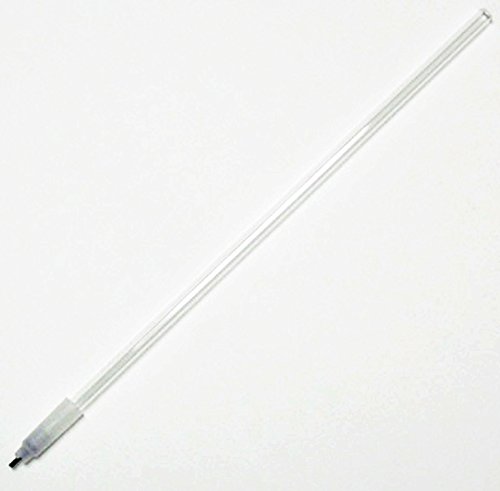
3/8" Bottle Filler with Spring
A spring-tip filler starts and stops the flow at the bottom of the bottle, so wine fills from underneath instead of splashing through air. It also leaves the right headspace automatically when you withdraw it.
Step-by-Step Guide to Bottling Wine
Bottling wine is a meticulous process that requires attention to detail to ensure the quality of the wine. Here’s a simplified step-by-step guide:
- Preparation: Before starting, ensure all equipment and bottles are sanitized to prevent contamination.
- Filling the Bottles: Use a bottling bucket to fill the wine bottles. The bucket should have a spigot at the bottom for easy pouring.
- Corking: Insert corks into the bottles using a corker. The cork should be seated properly to prevent leakage.
- Capsuling: Apply capsules or foils over the cork to protect it from the environment.
- Labeling and Packaging: Finally, label the bottles appropriately and package them for storage or distribution.
Pro Tips for Effective Wine Bottling
Experienced winemakers often have a few tricks up their sleeves to make the bottling process smoother and more efficient. Here are some pro tips:
- Always sanitize your equipment to prevent spoilage.
- Use the right size of corks for your bottles to ensure a tight seal.
- Fill bottles on a level surface to prevent spills.
- Keep the bottling area clean and dust-free to minimize contamination risks.

Transfer the wine
Fermtech Mini Auto-Siphon
Bottling starts with getting wine off its lees into the bottling vessel without stirring sediment or picking up air. The rigid cane keeps the intake above the sediment line.
Sanitise everything it touches
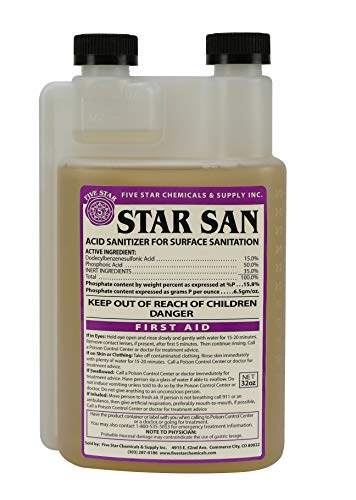
Five Star Star San, 32 Ounce
The pro tips above open and close on sanitation. Star San is acid-based and no-rinse at working strength, so bottles go from sanitiser to fill without a rinse step that would recontaminate them.
Looking for more brewing resources? Browse our wine making equipment or visit our brewing and fermentation for more tools and tips.
Frequently Asked Questions (FAQs)
Here are some common questions about wine corkers and bottling equipment answered:
- What is the best material for wine corks?
- Natural cork is the most traditional and preferred material due to its ability to seal the bottle effectively and allow for the wine to breathe.
- How often should wine bottles be cleaned before filling?
- It’s recommended to clean and sanitize wine bottles just before filling to prevent any residual contamination.
- Can I reuse wine corks?
- No, it’s not advisable to reuse wine corks as they can be damaged during the removal process and may not provide a tight seal the second time.
Shop this guide