This post contains affiliate links. If you buy through them, brewing.com earns a commission at no cost to you. How we pick products
Beer · Guide
The Ultimate Guide to Home Brewing: Test Your Beer
| Pick | Best for | Price |
|---|---|---|
| 7.9 Gallon Plastic Fermentor with Lid | Fermenter | $51.90 ↗ as of 24 Sep 2026, 4:45am GMT+0000 Details (paid link) |
| Fermtech Mini Auto-Siphon | Siphon and racking cane | $8.99 ↗ as of 24 Sep 2026, 4:45am GMT+0000 Details (paid link) |
| Fastrack Twin Bubble Airlock and Carboy Bung (2-Pack) | Airlock and bung | $6.29 ↗ as of 24 Sep 2026, 4:45am GMT+0000 Details (paid link) |
| Brewer's Elite Hydrometer & Plastic Test Jar | The instrument this article is about | $21.99 ↗ as of 24 Sep 2026, 4:45am GMT+0000 Details (paid link) |
| Brix Refractometer with ATC, Brix 0-32, for Home Brewing and Wine Making | Faster readings during the brew | $17.99 ↗ as of 24 Sep 2026, 4:45am GMT+0000 Details (paid link) |
| Five Star Star San, 32 Ounce | Sanitise | $28.98 ↗ as of 24 Sep 2026, 4:45am GMT+0000 Details (paid link) |
| Inkbird Dual Stage Temperature Controller | Monitor and control the temperature | $34.99 ↗ as of 24 Sep 2026, 4:45am GMT+0000 Details (paid link) |
Prices come from Amazon and refresh nightly. A pick shows “Check price” when we do not have a current figure for it.

Introduction to Home Brewing
Home brewing is a hobby that has gained popularity over the years. It allows individuals to create their own beer, tailored to their taste preferences. In this article, we will delve into the world of home brewing, focusing on the process of testing your beer.
Equipment Needed
To start brewing, you will need the following equipment:
- Fermenter
- Brew kettle
- Hydrometer
- Siphon and racking cane
- Airlock and bung
- Bottling equipment

Fermenter
7.9 Gallon Plastic Fermentor with Lid
Enough headspace above a 5 gallon batch that a vigorous ale does not push krausen into the airlock.

Siphon and racking cane
Fermtech Mini Auto-Siphon
Pulling a sample or racking a batch without aerating it or introducing anything unsanitised.

Airlock and bung
Fastrack Twin Bubble Airlock and Carboy Bung (2-Pack)
Vents CO2 without letting air back in, and holds its water seal through the temperature swings of an active fermentation.
Step-by-Step Brewing Process
The brewing process involves several steps, including malting, milling, mashing, sparging, boiling, fermenting, and bottling.
- Malt your grains to create the base for your beer.
- Mill the grains to prepare them for mashing.
- Mash the grains to extract the sugars.
- Sparging to rinse the grains and extract more sugars.
- Boil the mixture to sterilize and add hops.
- Ferment the mixture to convert the sugars into alcohol.
- Bottle the beer and allow it to condition.
Testing Your Beer
Testing your beer is crucial to determine its quality and make any necessary adjustments. You can test the specific gravity, pH level, and flavor of your beer.

The instrument this article is about
Brewer's Elite Hydrometer & Plastic Test Jar
Why it fits
Specific gravity is the one measurement that tells you whether fermentation has finished, how much alcohol you made, and whether it is safe to bottle. The triple scale reads gravity, potential alcohol and Brix from one float, and the jar is plastic so a wet-handed drop does not end the session.
Limitations
It needs a full test jar of beer per reading, which you should not pour back, and readings need temperature correction against the calibration temperature printed on the stem.
Faster readings during the brew
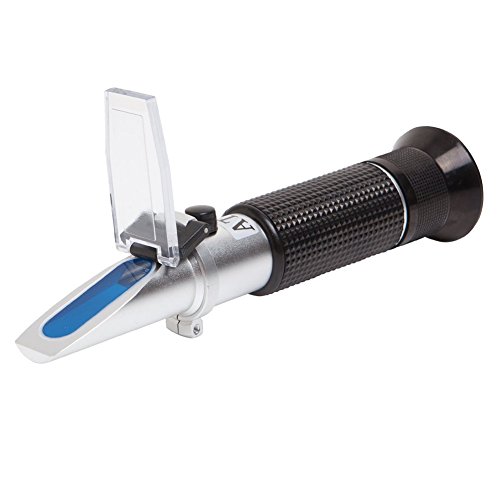
Brix Refractometer with ATC, Brix 0-32, for Home Brewing and Wine Making
Why it fits
Two drops of wort instead of a test jar, and automatic temperature compensation means no correction maths on brew day. For checking mash runnings and pre-boil gravity, it is the difference between measuring and not bothering.
Limitations
Refractometer readings are distorted by alcohol, so once fermentation starts the raw number is wrong and needs a conversion. It does not replace a hydrometer for final gravity.
Pro Tips for Home Brewers
Here are some pro tips to help you improve your brewing skills:
- Sanitize all equipment to prevent contamination.
- Monitor the temperature during fermentation.
- Use high-quality ingredients to produce better flavor.
- Experiment with different recipes to find your favorite.
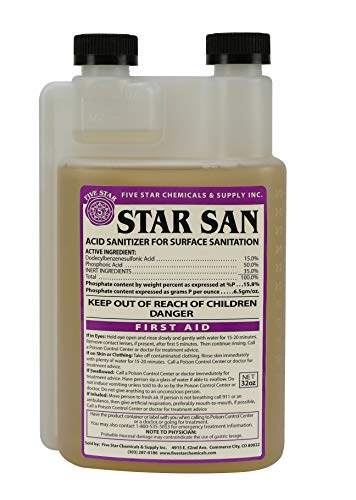
Sanitise
Five Star Star San, 32 Ounce
Acid-based and no-rinse at working strength, which is what makes it practical to sanitise everything rather than only the obvious things.

Monitor and control the temperature
Inkbird Dual Stage Temperature Controller
The FAQ below gives 65-75°F as the target. Monitoring only tells you when you have missed it; a dual stage controller driving a fridge and a heater actually holds it.
Frequently Asked Questions
Here are some common questions asked by home brewers:
- Q: What is the ideal temperature for fermentation?
- A: The ideal temperature for fermentation is between 65-75°F (18-24°C).
- Q: How long does it take to brew a batch of beer?
- A: The brewing process can take anywhere from 2-6 weeks, depending on the type of beer.
- Q: Can I brew beer at home without any experience?
- A: Yes, you can brew beer at home without any experience, but it’s recommended to follow a recipe and instructions carefully.
Shop this guide