This post contains affiliate links. If you buy through them, brewing.com earns a commission at no cost to you. How we pick products
Coffee · Guide
The Ultimate Guide to Roasting Coffee Beans at Home
| Pick | Best for | Price |
|---|---|---|
| Fresh Roast SR540 Coffee Roaster | Entry fluid-bed roaster | $219.00 ↗ as of 24 Sep 2026, 4:45am GMT+0000 Details (paid link) |
| Fresh Roast SR800 Coffee Roaster | Larger batches | $334.00 ↗ as of 24 Sep 2026, 4:45am GMT+0000 Details (paid link) |
| Nuvo Eco Ceramic Handy Coffee Bean Roaster | Manual, stovetop | $30.00 ↗ as of 24 Sep 2026, 4:45am GMT+0000 Details (paid link) |
| Airscape Coffee Canister, 2.2 lb | Resting and storage | $47.49 ↗ as of 24 Sep 2026, 4:45am GMT+0000 Details (paid link) |
Prices come from Amazon and refresh nightly. A pick shows “Check price” when we do not have a current figure for it.

Introduction to Home Coffee Roasting
For more coffee tips, check out our coffee guides.Roasting coffee beans at home can be a fun and rewarding experience, allowing you to customize the flavor of your coffee to your liking. With the right equipment and a bit of practice, you can achieve professional-grade roast levels from the comfort of your own home.
Equipment Needed
To get started with home coffee roasting, you will need the following equipment:
- Coffee beans: Green, unroasted coffee beans can be purchased from a variety of online retailers or specialty coffee shops.
- Heat source: A heat gun, skillet, or popcorn popper can be used to roast the coffee beans.
- Thermometer: A thermometer is necessary to monitor the temperature of the beans during the roasting process.
- Stirring device: A spoon or stirring rod can be used to stir the beans and ensure even roasting.
- Cooling tray: A tray or pan can be used to cool the beans after roasting.
A skillet or popcorn popper will produce roasted coffee, but neither lets you control airflow and heat independently, and that pair of controls is what separates a repeatable roast from a lucky one. A fluid-bed roaster gives you both on separate dials.
Dedicated home roasters

Entry fluid-bed roaster
Fresh Roast SR540 Coffee Roaster
Why it fits
Variable heat and variable fan speed on independent controls, which is the whole argument for buying a roaster rather than improvising with a popper: airflow moves the beans and carries chaff away, heat drives the roast, and you need to adjust them separately as the beans lose density through first crack. A glass chamber means you can watch the colour change, which is how you actually call a roast. Roasts around 120 g per batch in under ten minutes, and it cools in the same chamber.
Limitations
Small batches. At roughly 120 g of green per run you will be roasting twice a week, not once a month. Fluid-bed roasters are loud and they throw chaff, so this is a kitchen-extractor or outdoors machine. Glass and heating elements are consumable parts on a machine that runs hot by design.

Larger batches
Fresh Roast SR800 Coffee Roaster
Why it fits
Same variable heat and variable fan control as the SR540 in a larger chamber, roughly doubling the batch. If you drink enough coffee that a 120 g roast disappears in three days, the extra capacity is the difference between roasting as a hobby and roasting as a chore. The glass chamber and the same cooling cycle apply.
Limitations
Larger chamber, same caveats, amplified: louder, more chaff, and a taller machine that may not fit under a cabinet with the extension tube fitted. Still a fluid-bed roaster, so it does not develop body the way a drum roast does.
Manual, stovetop
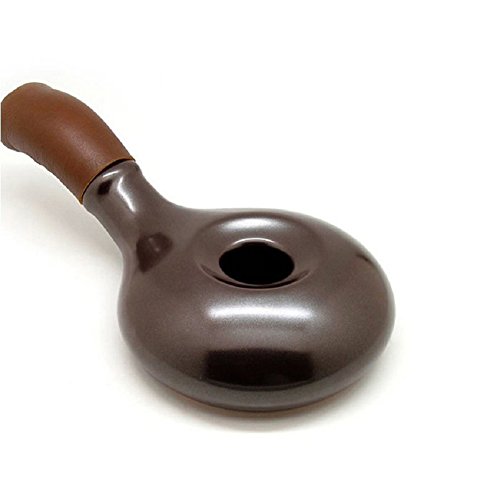
Nuvo Eco Ceramic Handy Coffee Bean Roaster
Why it fits
A ceramic hand roaster you hold over a flame and shake, which sounds primitive and is, but it makes the mechanics of roasting visible in a way no machine does: you hear first crack in your hand and you control the heat by how close you hold it. Cheap enough to find out whether you actually enjoy roasting before committing several hundred to a machine.
Limitations
Entirely manual. Batch size is a single serving, consistency depends completely on your arm, and there is no temperature reading of any kind. It needs an open flame, so it is useless on an induction hob. Treat it as a way to learn, not a way to supply yourself.
The Roasting Process
The roasting process involves heating the green coffee beans to high temperatures, causing them to undergo a series of physical and chemical changes that bring out the desired flavors and aromas.
Step-by-Step Roasting Instructions
Here is a step-by-step guide to roasting coffee beans at home:
- Preheat the heat source to the desired temperature (around 400°F).
- Add the green coffee beans to the skillet or popcorn popper.
- Stir the beans constantly to ensure even roasting.
- Monitor the temperature and color of the beans, adjusting the heat as needed.
- Once the beans have reached the desired roast level, remove them from the heat source and pour into a cooling tray.
Pro Tips for Home Coffee Roasting
Here are some pro tips to help you achieve the perfect roast:
- Use high-quality, fresh green coffee beans for the best flavor.
- Experiment with different roast levels to find your favorite.
- Invest in a thermometer to ensure accurate temperature control.
- Keep the beans in an airtight container to preserve freshness.

Frequently Asked Questions
Here are some frequently asked questions about home coffee roasting:
- Q: What is the optimal roast level for coffee beans?
- A: The optimal roast level will vary depending on personal preference, but a medium to medium-dark roast is a good starting point.
- Q: How often should I roast coffee beans?
- A: It is recommended to roast coffee beans in small batches, as needed, to ensure freshness.
Shop this guide