This post contains affiliate links. If you buy through them, brewing.com earns a commission at no cost to you. How we pick products
Kombucha · Guide
Best SCOBY Sources for Home Brewing
| Pick | Best for | Price |
|---|---|---|
| Bucha Brewers Kombucha Starter Kit | Simpler kit | $44.99 ↗ as of 17 Sep 2026, 2:18am GMT+0000 Details (paid link) |
| Bucha Brewers Deluxe Kombucha Starter Kit with SCOBY and Starter Tea | Culture with starter tea | $79.99 ↗ as of 17 Sep 2026, 2:18am GMT+0000 Details (paid link) |
| The Kombucha Company Kombucha Home Brewing Starter Kit | Large culture | $48.99 ↗ as of 17 Sep 2026, 2:18am GMT+0000 Details (paid link) |
| Fermentaholics Organic Kombucha Tea Blend | Tea for the brew | $24.99 ↗ as of 17 Sep 2026, 2:18am GMT+0000 Details (paid link) |
Prices come from Amazon and refresh nightly. A pick shows “Check price” when we do not have a current figure for it.
Introduction to SCOBY and Home Brewing
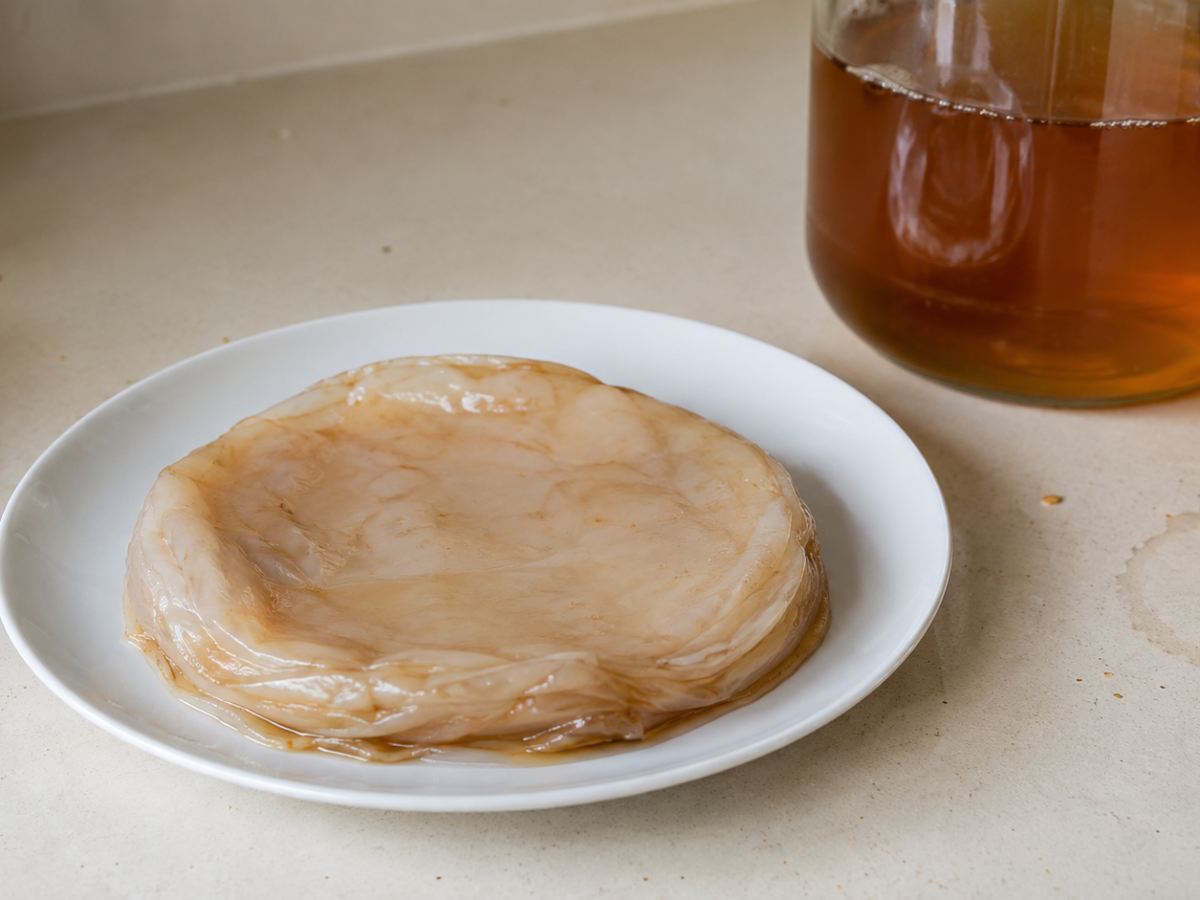
For more kombucha tips, check out our kombucha brewing guides.Kombucha, a fermented tea drink, has gained popularity worldwide due to its potential health benefits. The heart of kombucha brewing is the Symbiotic Culture of Bacteria and Yeast (SCOBY), a living entity that ferments the tea. For home brewers, finding a reliable SCOBY source is crucial. This article explores the best SCOBY sources for home brewing in 2025, along with a comprehensive guide on equipment, step-by-step brewing, pro tips, and frequently asked questions.
Best SCOBY Sources
When looking for a SCOBY, it’s essential to choose a source that is healthy, fresh, and from a reputable supplier to ensure successful fermentation. Here are some of the best sources:
- Local Health Food Stores: Many health food stores carry SCOBYs or can order one for you.
- Online Retailers: Websites like Amazon, Cultures for Health, and GetKombucha offer SCOBYs for home brewing.
- Kombucha Brewing Communities: Joining online forums or local brewing groups can connect you with experienced brewers willing to share or sell SCOBYs.

Simpler kit
Bucha Brewers Kombucha Starter Kit
The same supplier's smaller kit, if you already have a gallon jar and only need the culture, starter tea and tea blend.
Whichever route you take, note what a SCOBY on its own cannot do. The culture is only half the inoculation; the other half is a cup or two of strongly acidic starter liquid, which drops the pH of the fresh sweet tea immediately and is what actually keeps mould out during the vulnerable first days. A dry or vacuum-packed culture shipped without starter tea is a slower and riskier start, so buy them together.
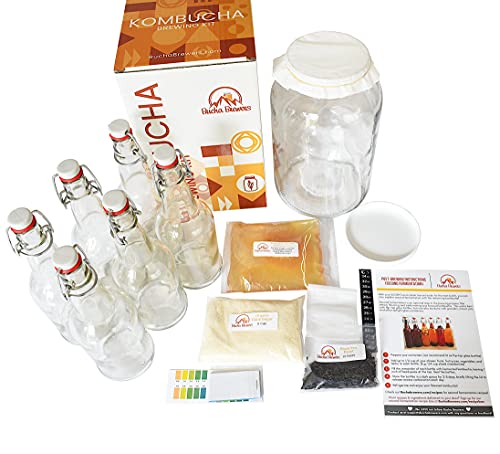
Culture with starter tea
Bucha Brewers Deluxe Kombucha Starter Kit with SCOBY and Starter Tea
Why it fits
It supplies both halves of the inoculation, which is the point made above: a live culture plus the acidic starter liquid that protects the first batch. Buying them as a pair removes the most common first-batch failure, which is a healthy SCOBY sitting in sweet tea at a neutral pH for three days while airborne moulds get their chance.
Limitations
A kit prices the culture higher than a bare SCOBY from a brewing group, and you only need to buy one once, since every batch grows its own replacement. Live cultures ship best in mild weather; a kit left on a doorstep in a heatwave or a freeze is a gamble regardless of supplier.

Large culture
The Kombucha Company Kombucha Home Brewing Starter Kit
Why it fits
A five-inch culture, which is a meaningful specification rather than marketing: the SCOBY should cover the surface of the vessel, because the pellicle floating across the top is part of what keeps the ferment anaerobic underneath and denies mould a foothold. A small disc in a wide gallon jar leaves too much open surface.
Limitations
Match the culture to the jar. A five-inch pellicle is sized for a standard gallon vessel, and it will be cramped in a narrow jar and inadequate in a two-gallon continuous brewer. As with any live culture, its condition on arrival depends on the shipping weather.
Equipment List for Home Brewing
To start brewing kombucha at home, you’ll need the following equipment:
- Large Glass Jar (at least 1 gallon)
- Cheesecloth or a Coffee Filter
- Rubber Band
- Tea Bags (black, green, or herbal)
- Sugar
- Water
- Starter Tea (from a previous batch of kombucha or store-bought kombucha)
- SCOBY
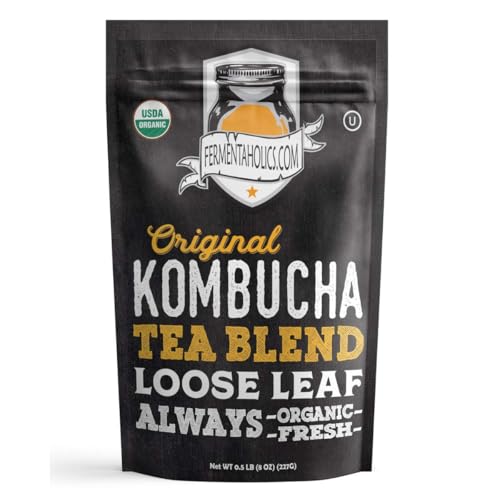
Tea for the brew
Fermentaholics Organic Kombucha Tea Blend
A blend put together for fermenting rather than drinking. Avoid herbal and oiled teas such as Earl Grey; the essential oils in them are antimicrobial and work against the culture.
Step-by-Step Brewing Guide
Brewing kombucha at home is relatively straightforward. Follow these steps:
- Make the Sweet Tea: Boil water, add sugar and tea bags, and let it steep.
- Cool the Tea: Let the tea cool down to room temperature.
- Add Starter Tea and SCOBY: Once the tea is cool, add the starter tea and gently place the SCOBY in the liquid.
- Ferment the Tea: Cover the jar with cheesecloth and let it ferment in a warm, dark place for 7-14 days.
- Taste and Bottle: After fermentation, taste the kombucha and bottle it for a second fermentation (optional) to create a fizzy drink.
Pro Tips for Successful Brewing
To ensure your kombucha brews successfully and tastes great, consider these pro tips:
- Always use filtered water to prevent contaminants.
- Keep the fermentation area clean and dust-free.
- Monitor the temperature; ideal fermentation occurs between 68-85°F (20-30°C).
- Be patient; the longer it ferments, the stronger the flavor and the higher the acidity.
Looking for more brewing resources? Browse our fermentation equipment or visit our beer and fermentation for more tools and tips.
Frequently Asked Questions
Here are answers to some common questions about SCOBY sources and home brewing:
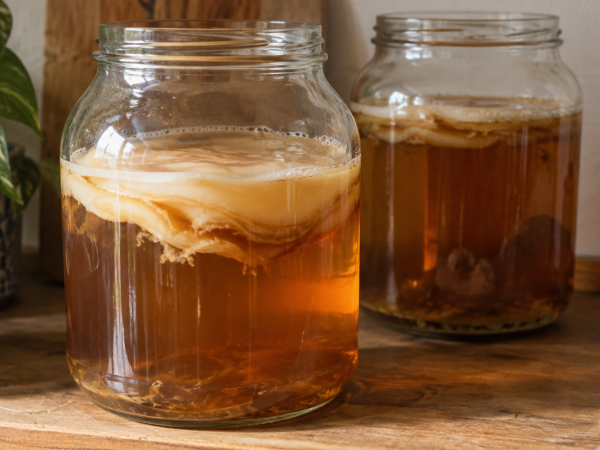
- Q: How do I know if my SCOBY is healthy? A healthy SCOBY is white or light brown, thick, and has a smooth surface.
- Q: Can I use a SCOBY from a store-bought kombucha? Yes, but make sure the kombucha is raw and unflavored to increase the chances of the SCOBY being viable.
- Q: What if my SCOBY doesn’t form a new layer? If your SCOBY doesn’t form a new layer during fermentation, it might be a sign of contamination or improper conditions.
Shop this guide