This post contains affiliate links. If you buy through them, brewing.com earns a commission at no cost to you. How we pick products
Kombucha · Guide
Troubleshooting Kombucha: Mold, Taste, Carbonation
| Pick | Best for | Price |
|---|---|---|
| EZTOCH Food pH Meter | For the mould section | $39.99 ↗ as of 24 Sep 2026, 4:45am GMT+0000 Details (paid link) |
| Wrap Around Kombucha Heater Belt | For the carbonation section | $34.99 ↗ as of 24 Sep 2026, 4:45am GMT+0000 Details (paid link) |
| Hemlock Home Brewing Kombucha Heating Wrap with Thermometer | Heating mat alternative | $28.00 ↗ as of 24 Sep 2026, 4:45am GMT+0000 Details (paid link) |
| Linen Jar Cloth Covers with Bands, 5 pack | Covers | $9.99 ↗ as of 24 Sep 2026, 4:45am GMT+0000 Details (paid link) |
Prices come from Amazon and refresh nightly. A pick shows “Check price” when we do not have a current figure for it.
Introduction to Kombucha Troubleshooting
For more kombucha tips, check out our kombucha brewing guides.Kombucha is a fermented tea drink that has gained popularity for its potential health benefits. However, brewing kombucha can be a delicate process, and issues such as mold, off-taste, and improper carbonation can arise. This article will guide you through the common problems encountered in kombucha brewing and provide step-by-step solutions to troubleshoot them.
Equipment Needed for Kombucha Brewing
- Large glass jar or container with a wide mouth
- Cheesecloth or a coffee filter
- Rubber band
- Starter tea (from a previous batch of kombucha or store-bought)
- Sugar
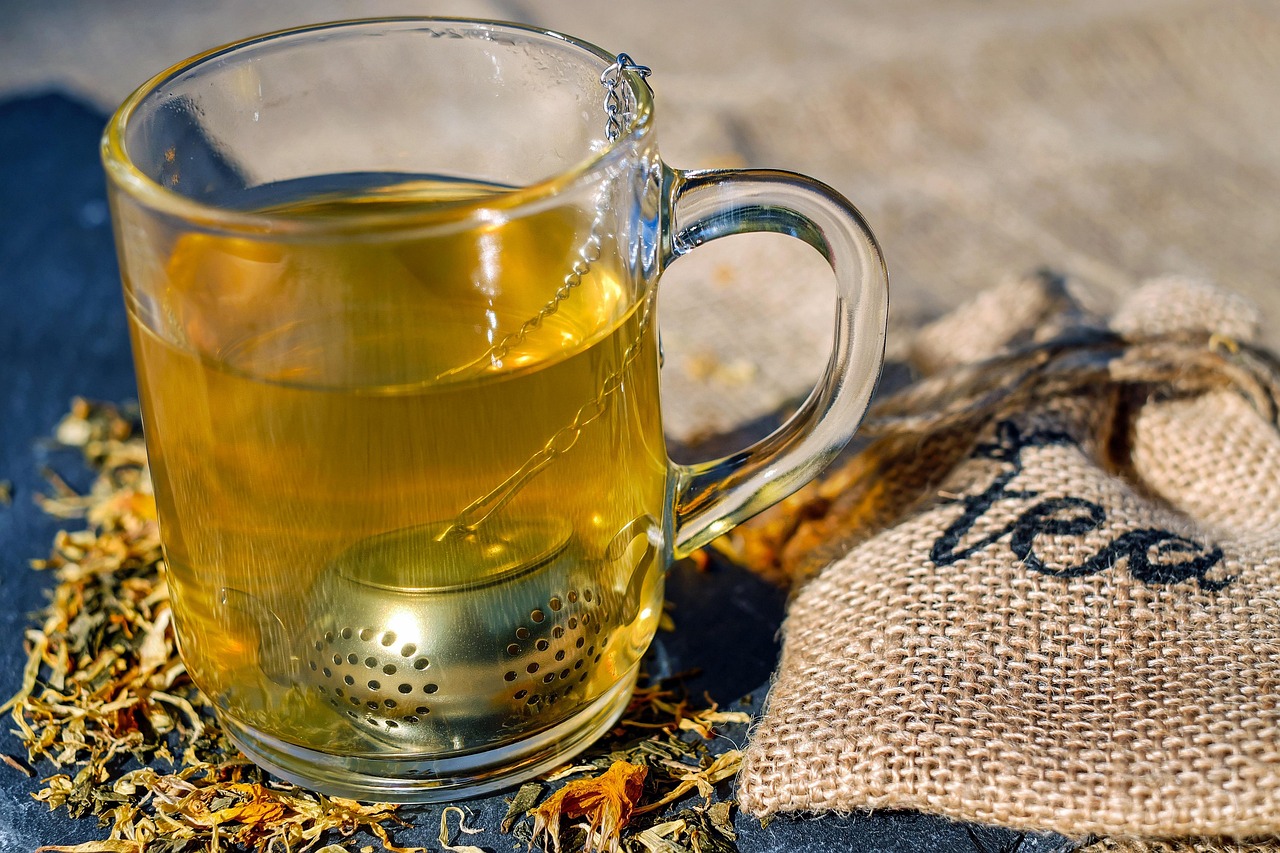
- Black or green tea bags
- Water
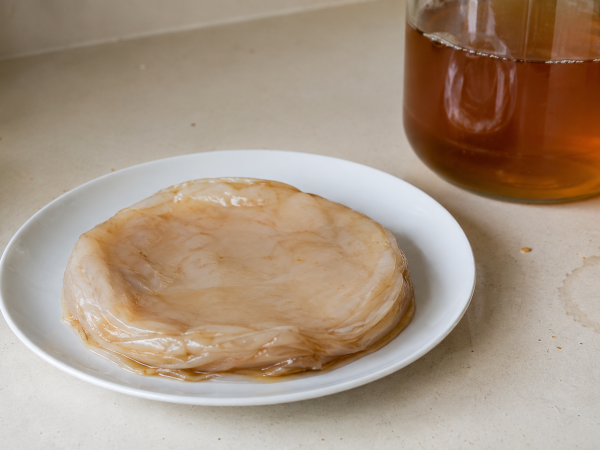
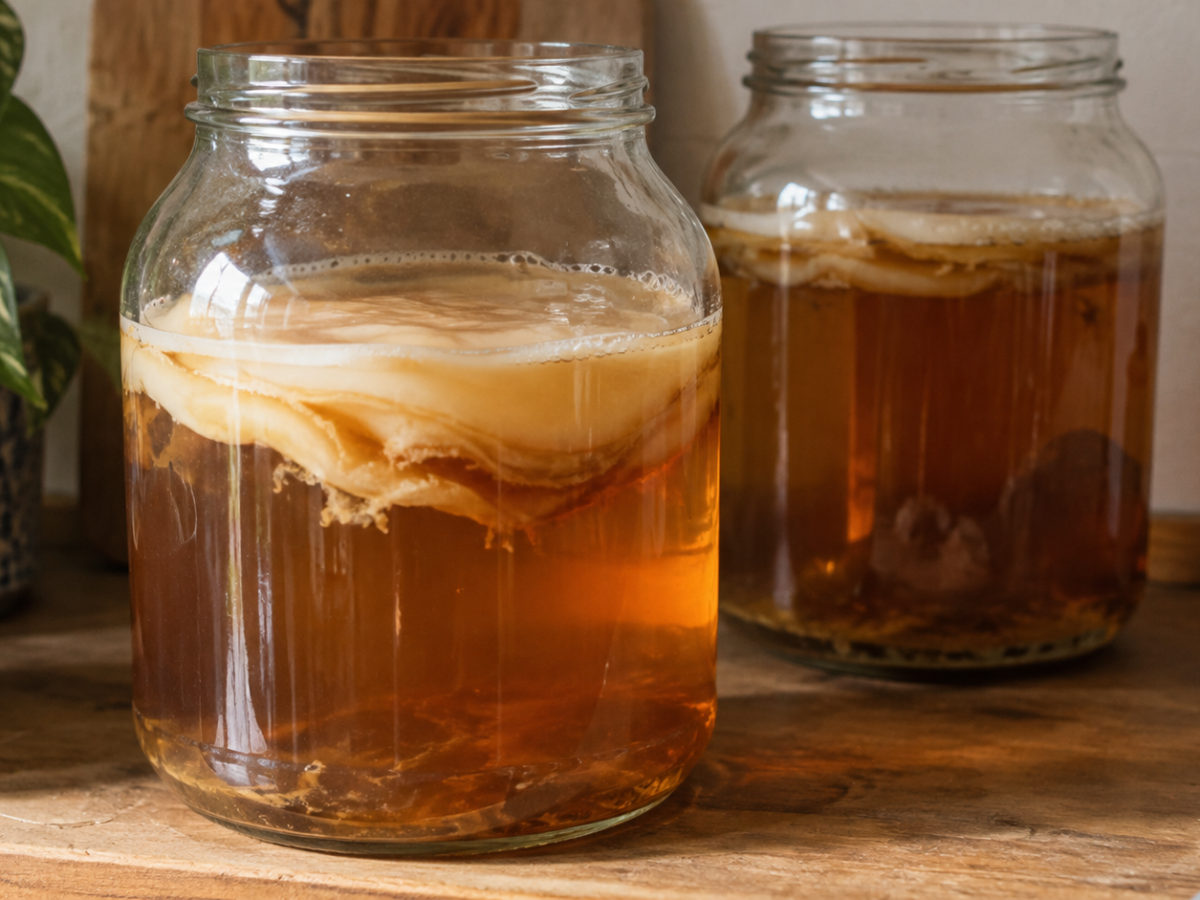
- Scoby (Symbiotic Culture of Bacteria and Yeast)
Two instruments are missing from that list, and they happen to be the answer to two of the three problems below. Mould is a pH problem: a batch that drops below about 4.2 within the first couple of days is effectively defended, and one that does not is exposed, so a pH reading tells you where you stand before mould appears rather than after. Flat kombucha and off-flavours are frequently temperature problems, because a culture below about 68 degrees works slowly and a sluggish ferment tastes both sweet and wrong.
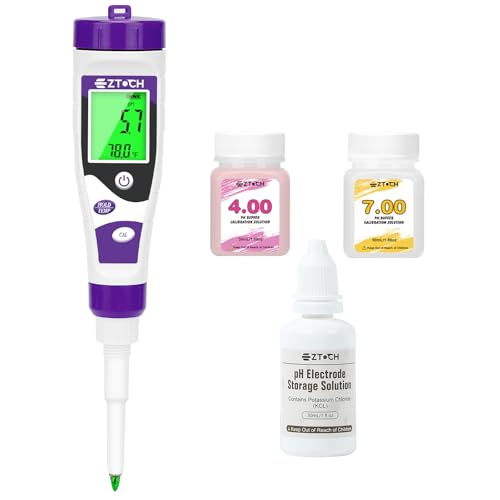
For the mould section
EZTOCH Food pH Meter
Why it fits
It converts the mould advice below from hygiene theatre into a measurement. Kombucha's defence against airborne moulds is its own acidity, and the useful number is whether the pH has fallen under roughly 4.2 in the first days and whether the finished batch has landed in the 2.5 to 3.5 window. A digital meter reads that directly rather than asking you to interpret a colour against a chart.
Limitations
pH meters need calibrating against buffer solutions and storing wet, so this is a small piece of laboratory equipment rather than a fit-and-forget tool. It tells you the acidity and nothing about the flavour. A clean brewing area and enough starter tea remain the actual prevention; this only tells you whether they worked.
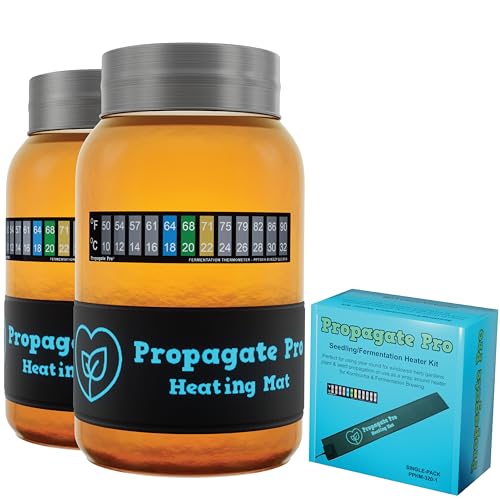
For the carbonation section
Wrap Around Kombucha Heater Belt
A belt that wraps the vessel to hold it in the 68-85 degree band. Flat, slow, oddly sweet kombucha in a cold kitchen is usually this, not a tired culture.

Heating mat alternative
Hemlock Home Brewing Kombucha Heating Wrap with Thermometer
The same idea with a thermometer attached, so you are reading the vessel's temperature rather than the room's. The two differ by several degrees more often than people expect.
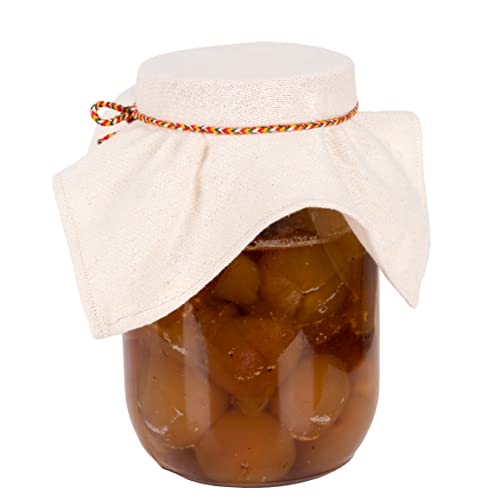
Covers
Linen Jar Cloth Covers with Bands, 5 pack
Tight-woven linen keeps fruit flies out, which matters here because flies are a vector for the moulds this article is about. Cheesecloth sags into the brew and its weave is coarser than it looks.
Troubleshooting Mold in Kombucha
Mold is one of the most common issues in kombucha brewing. It can appear as green, black, or white patches on the surface of the Scoby or in the liquid. To prevent mold, ensure your equipment is clean, and the brewing area is free from contaminants.
- Check the Scoby for any signs of mold before use.
- Use filtered water to minimize the risk of contamination.
- Keep the brewing area clean and dust-free.
Troubleshooting Off-Taste in Kombucha
An off-taste in kombucha can be due to various factors, including the type of tea used, the length of fermentation, or contamination. To address this issue, consider the following steps:
- Adjust the type of tea or the steeping time to alter the flavor profile.
- Check the fermentation time and temperature, as these can significantly affect the taste.
- Taste the kombucha regularly during the fermentation process to catch any off-flavors early.
Troubleshooting Carbonation in Kombucha
Proper carbonation is crucial for the characteristic fizz of kombucha. If your kombucha is flat, it might be due to insufficient fermentation time, incorrect bottle sealing, or not enough yeast activity.
- Ensure the secondary fermentation (bottling phase) is done correctly, with the bottles sealed tightly and kept at room temperature.
- Check the yeast activity by observing the Scoby’s growth and the formation of bubbles during fermentation.
- Allow for a longer secondary fermentation time if necessary, to achieve the desired level of carbonation.
Step-by-Step Guide to Brewing Kombucha
- Boil water and add sugar and tea bags. Let it steep, then remove the tea bags.
- Cool the tea to room temperature.
- Add starter tea and Scoby to the cooled tea.
- Cover the jar with cheesecloth or a coffee filter, secured by a rubber band.
- Let it ferment in a dark, warm place for 7-14 days, depending on the desired level of sourness.
- After the primary fermentation, remove the Scoby and starter tea for the next batch, and proceed with secondary fermentation by bottling the kombucha.
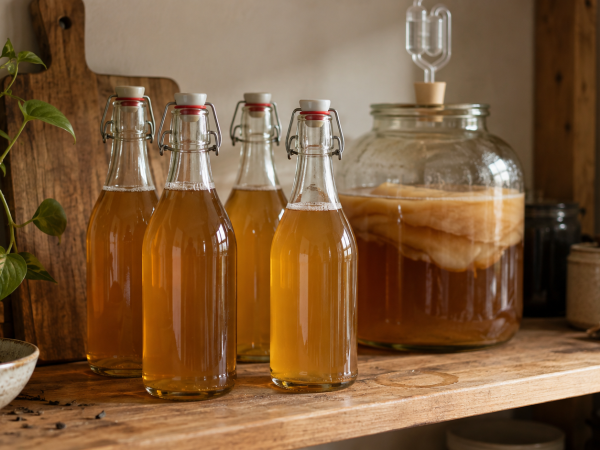
- Store the bottles at room temperature for 1-3 days to achieve carbonation, then move them to the refrigerator to slow down fermentation and halt carbonation.
Pro Tips for Successful Kombucha Brewing
To ensure a successful brew, consider the following pro tips:
- Always use clean equipment to prevent contamination.
- Monitor the fermentation temperature, ideally between 68-85°F (20-29°C), for optimal Scoby growth and flavor development.
- Be patient, as the fermentation process can vary in time due to environmental factors.
Frequently Asked Questions (FAQ)
- Q: How long does it take to brew kombucha? A: The primary fermentation takes 7-14 days, and secondary fermentation takes 1-3 days.
- Q: What if my Scoby develops mold? A: Discard the Scoby and start a new batch with a healthy Scoby.
- Q: Can I flavor my kombucha? A: Yes, you can add flavorings during the secondary fermentation phase.
Shop this guide