This post contains affiliate links. If you buy through them, brewing.com earns a commission at no cost to you. How we pick products
Kombucha · Recipe
Hard Kombucha Recipe: Boozy Booch at Home
| Pick | Best for | Price |
|---|---|---|
| Calphalon Prime Edge 5-Inch Fine Mesh Strainer | Strainer | $11.39 ↗ as of 24 Sep 2026, 4:45am GMT+0000 Details (paid link) |
| Brewer's Elite Hydrometer and Test Jar | The instrument that answers the question | $21.99 ↗ as of 24 Sep 2026, 4:45am GMT+0000 Details (paid link) |
| Fermtech Mini Auto-Siphon | Siphon | $8.99 ↗ as of 24 Sep 2026, 4:45am GMT+0000 Details (paid link) |
| Fastrack Airlocks for Fermenting, 3 pack | Airlocks | $6.85 ↗ as of 24 Sep 2026, 4:45am GMT+0000 Details (paid link) |
| 32 oz Swing Top Glass Kombucha Bottles, 4 pack | Bottles | $24.99 ↗ as of 24 Sep 2026, 4:45am GMT+0000 Details (paid link) |
Prices come from Amazon and refresh nightly. A pick shows “Check price” when we do not have a current figure for it.
Introduction to Hard Kombucha
For more kombucha tips, check out our kombucha brewing guides.Hard kombucha, also known as boozy booch, is a fermented tea drink that contains a higher alcohol content than traditional kombucha. It is made by adding a second fermentation step to the traditional kombucha recipe, which allows the drink to become carbonated and increases its alcohol content.
Equipment Needed
To make hard kombucha at home, you will need the following equipment:
- Large glass jar or container with a wide mouth
- Cheesecloth or a coffee filter
- Rubber band
- Plastic or metal strainer
- Bottles with tight-fitting lids for secondary fermentation and storage
- Hydrometer (for measuring specific gravity)
- Siphon and racking cane

Strainer
Calphalon Prime Edge 5-Inch Fine Mesh Strainer
For catching yeast strands and fruit solids on the way into the bottle, where they would otherwise keep feeding the ferment unpredictably.
One correction to the recipe below before the equipment. Sealing ordinary kombucha in bottles does not make it boozy; it makes it fizzy. Bottle conditioning traps the CO2 the existing yeast produces, and the alcohol stays around half a percent. Raising the alcohol meaningfully means giving the yeast much more sugar and letting it ferment under an airlock, which is what the hydrometer on that list is for: without gravity readings before and after, you have no idea what strength you have made, and with an ordinary kombucha culture the honest answer is usually “not much”.

The instrument that answers the question
Brewer's Elite Hydrometer and Test Jar
Why it fits
A hydrometer is the only way to know what a batch actually finished at. Take a reading before fermentation and another when it stops, and the difference in specific gravity converts directly to alcohol by volume. For hard kombucha this is not optional curiosity: it is the difference between a drink you can describe accurately and a guess. The plastic test jar is included, which matters because reading a hydrometer in the fermenter is impractical.
Limitations
Glass and thin-walled; hydrometers break easily and most brewers own a spare. Readings need a temperature correction to be exact. It tells you the strength, not whether the flavour is right, and it consumes a sample each time you use it.

Siphon
Fermtech Mini Auto-Siphon
The siphon and racking cane from the list, in the small size that suits one-gallon batches. Racking rather than pouring leaves the yeast sediment behind.

Airlocks
Fastrack Airlocks for Fermenting, 3 pack
An alcoholic ferment needs to vent CO2 while keeping air out, which a cloth cover cannot do and a sealed bottle does dangerously. Airlocks do both.

Bottles
32 oz Swing Top Glass Kombucha Bottles, 4 pack
Thick glass with a swing-top seal, for the pressure a second fermentation builds. Never condition in a bottle not built for pressure.
Step-by-Step Hard Kombucha Recipe
Here is a basic recipe for making hard kombucha at home:
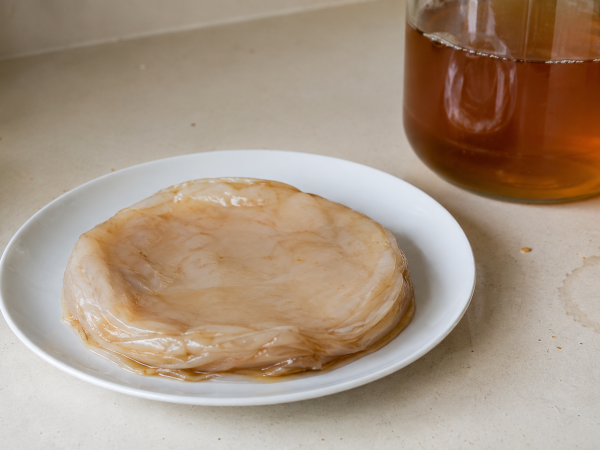
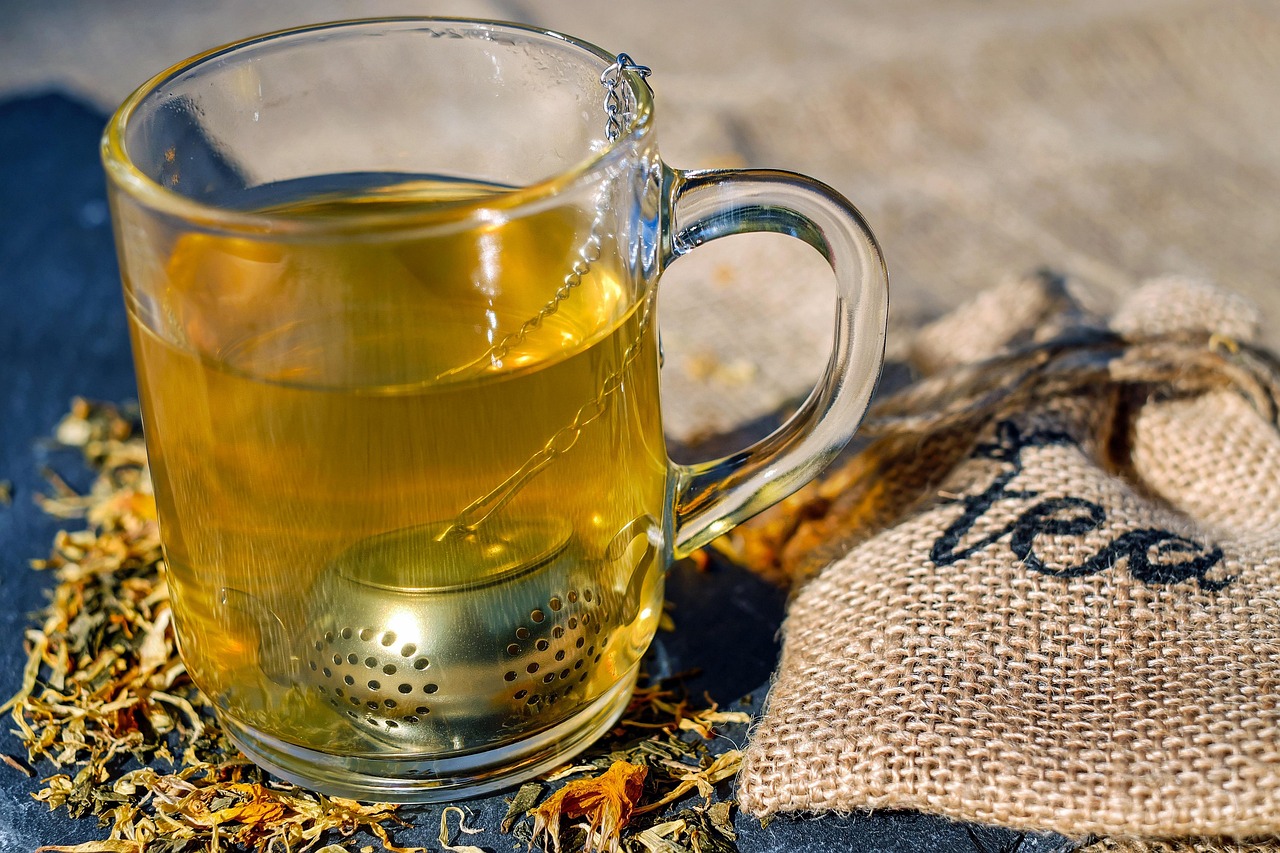
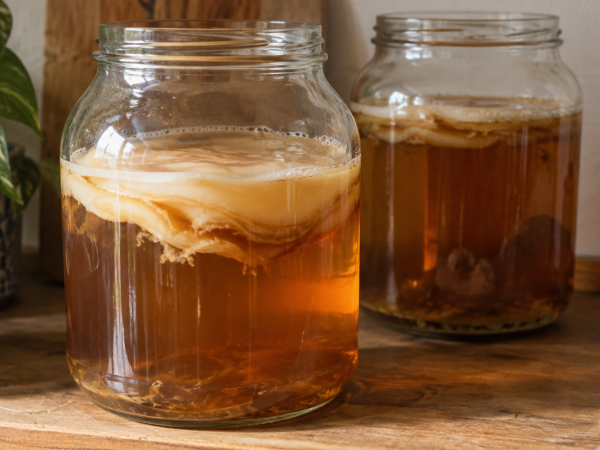
- Make a batch of traditional kombucha by brewing a gallon of sweet tea, cooling it, and adding a SCOBY (Symbiotic Culture of Bacteria and Yeast) and starter tea. Allow the mixture to ferment for 7-14 days, or until it reaches the desired level of sourness.
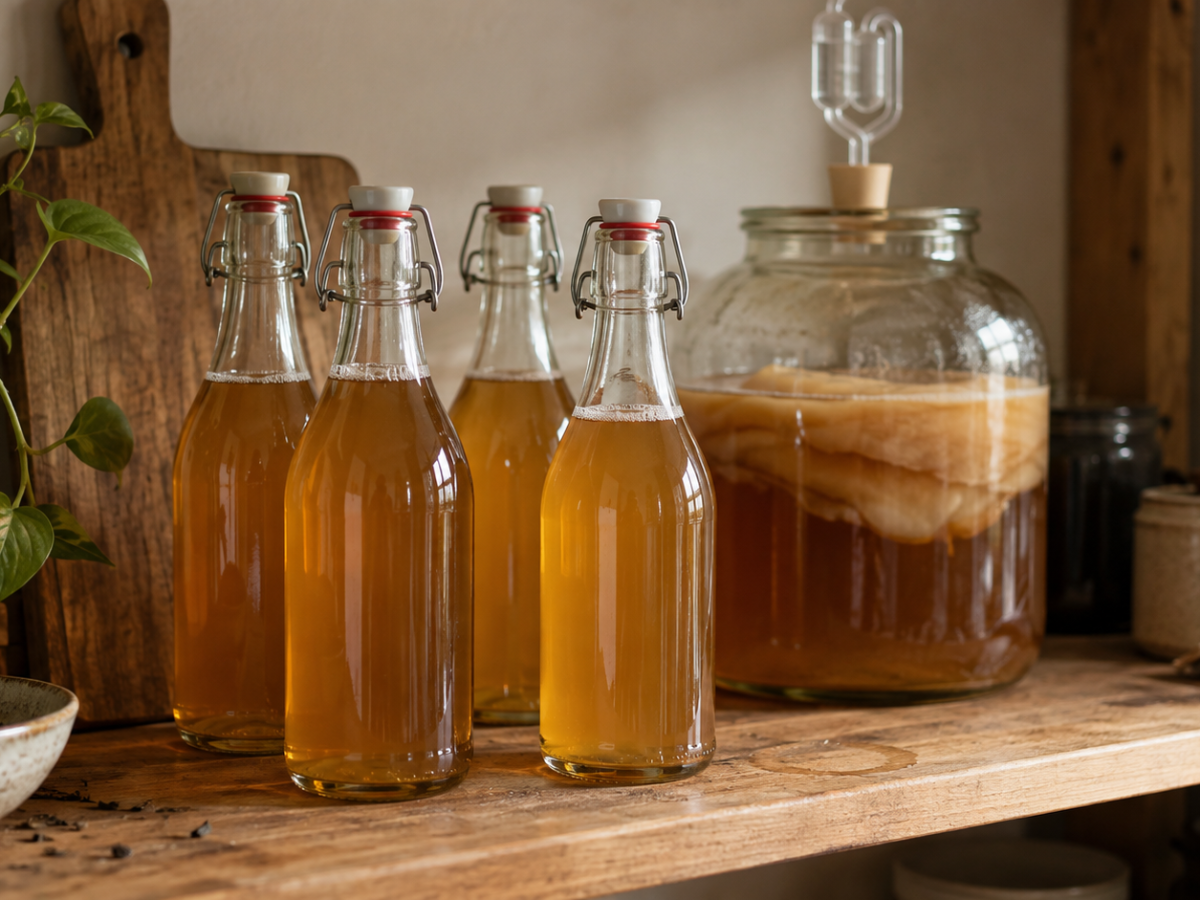
- After the initial fermentation is complete, remove the SCOBY and starter tea from the liquid and transfer the liquid to bottles with tight-fitting lids. Leave about an inch of headspace at the top of each bottle.
- Secure the lids on the bottles and place them in a dark, warm location (such as a pantry or cupboard) to undergo a second fermentation, which can take anywhere from a few days to several weeks. This step is where the magic happens, and the kombucha becomes carbonated and boozy.
- Monitor the bottles regularly for signs of fermentation, such as bubbles forming in the liquid or a hissing sound when the lid is opened. Once the fermentation is complete, store the bottles in the refrigerator to slow down the fermentation process and halt the carbonation.
Pro Tips for Making Hard Kombucha
Here are some pro tips to keep in mind when making hard kombucha at home:
- Always use filtered water to prevent contaminants from affecting the fermentation process.
- Monitor the temperature of your fermentation location, as temperatures that are too high or too low can affect the fermentation process.
- Be patient and allow the fermentation process to complete, as rushing it can result in a subpar product.
- Experiment with different flavors and ingredients to create unique and delicious variations of hard kombucha.
Looking for more brewing resources? Browse our fermentation equipment or visit our beer and fermentation for more tools and tips.
Frequently Asked Questions
Here are some frequently asked questions about making hard kombucha at home:
- Q: How long does it take to make hard kombucha?
- A: The entire process can take anywhere from a few weeks to several months, depending on factors such as the strength of the SCOBY and the temperature of the fermentation location.
- Q: Is hard kombucha safe to drink?
- A: Yes, hard kombucha is safe to drink as long as it is made and stored properly. However, it is important to note that it does contain a significant amount of alcohol, so it should be consumed responsibly.
- Q: Can I customize the flavor of my hard kombucha?
- A: Yes, you can customize the flavor of your hard kombucha by adding different ingredients such as fruits, herbs, and spices during the fermentation process.
Shop this recipe
Calphalon Prime Edge 5-Inch Stainless Steel Strainer, Fine Mesh Kitchen Colander Strainer…