This post contains affiliate links. If you buy through them, brewing.com earns a commission at no cost to you. How we pick products
Wine · Guide
Best Wine Fermentation Vessels Expert Guide to Producing High-Quality Wine
| Pick | Best for | Price |
|---|---|---|
| Conical Fermenter for Homebrew/Wine/Brewing, Pro Grade Stainless Steel - 13 Gallons | Stainless, if you are scaling up | $469.00 ↗ as of 17 Sep 2026, 2:18am GMT+0000 Details (paid link) |
| 7.9 Gallon Plastic Fermentor with Lid | Primary fermentation, open top | $51.90 ↗ as of 17 Sep 2026, 2:18am GMT+0000 Details (paid link) |
| FerMonster 6 Gallon Carboy | Secondary, and you can see through it | $49.95 ↗ as of 17 Sep 2026, 2:18am GMT+0000 Details (paid link) |
| 5 Gallon Oak Barrel, 20 Litre | Oak barrel, for the oxygen not the oak | $224.95 ↗ as of 17 Sep 2026, 2:18am GMT+0000 Details (paid link) |
| Brewer's Elite Hydrometer & Plastic Test Jar | Do the measuring | $21.99 ↗ as of 17 Sep 2026, 2:18am GMT+0000 Details (paid link) |
| Fastrack Twin Bubble Airlock and Carboy Bung (2-Pack) | Seal the vessel | $7.93 ↗ as of 17 Sep 2026, 2:18am GMT+0000 Details (paid link) |
| Inkbird Dual Stage Temperature Controller | Hold the temperature bands the guide gives | $34.99 ↗ as of 17 Sep 2026, 2:18am GMT+0000 Details (paid link) |
Prices come from Amazon and refresh nightly. A pick shows “Check price” when we do not have a current figure for it.
Introduction to Wine Fermentation Vessels
For more wine tips, check out our wine making guides.Wine fermentation is a crucial step in the winemaking process, and the right equipment can make all the difference. In this article, we’ll explore the best wine fermentation vessels of 2025, including their features, benefits, and how to use them.
Equipment List
- Stainless Steel Fermenters
- Food-Grade Plastic Fermenters
- Glass Carboys
- Ceramic Fermenters
- Oak Barrels

Stainless, if you are scaling up
Conical Fermenter for Homebrew/Wine/Brewing, Pro Grade Stainless Steel – 13 Gallons
Why it fits
Stainless is non-reactive, opaque to the light that strips aroma compounds out of white wine, and it takes hot caustic cleaning that would craze plastic. Thirteen gallons handles a full carboy batch with proper headspace for a cap of skins.
Limitations
Expensive, heavy, and you cannot see the wine working. Everything you would judge by eye in a carboy has to be judged by sample and gravity reading instead.

Primary fermentation, open top
7.9 Gallon Plastic Fermentor with Lid
Why it fits
Red wine primary fermentation happens on the skins, with a cap that has to be punched down two or three times a day. That needs a wide opening, headspace and light weight, which is exactly what a food-grade plastic fermentor gives you and a carboy does not.
Limitations
Plastic scratches, and scratches hold residue that sanitiser struggles to reach. Treat a plastic primary as a consumable and replace it rather than scrubbing it hard.

Secondary, and you can see through it
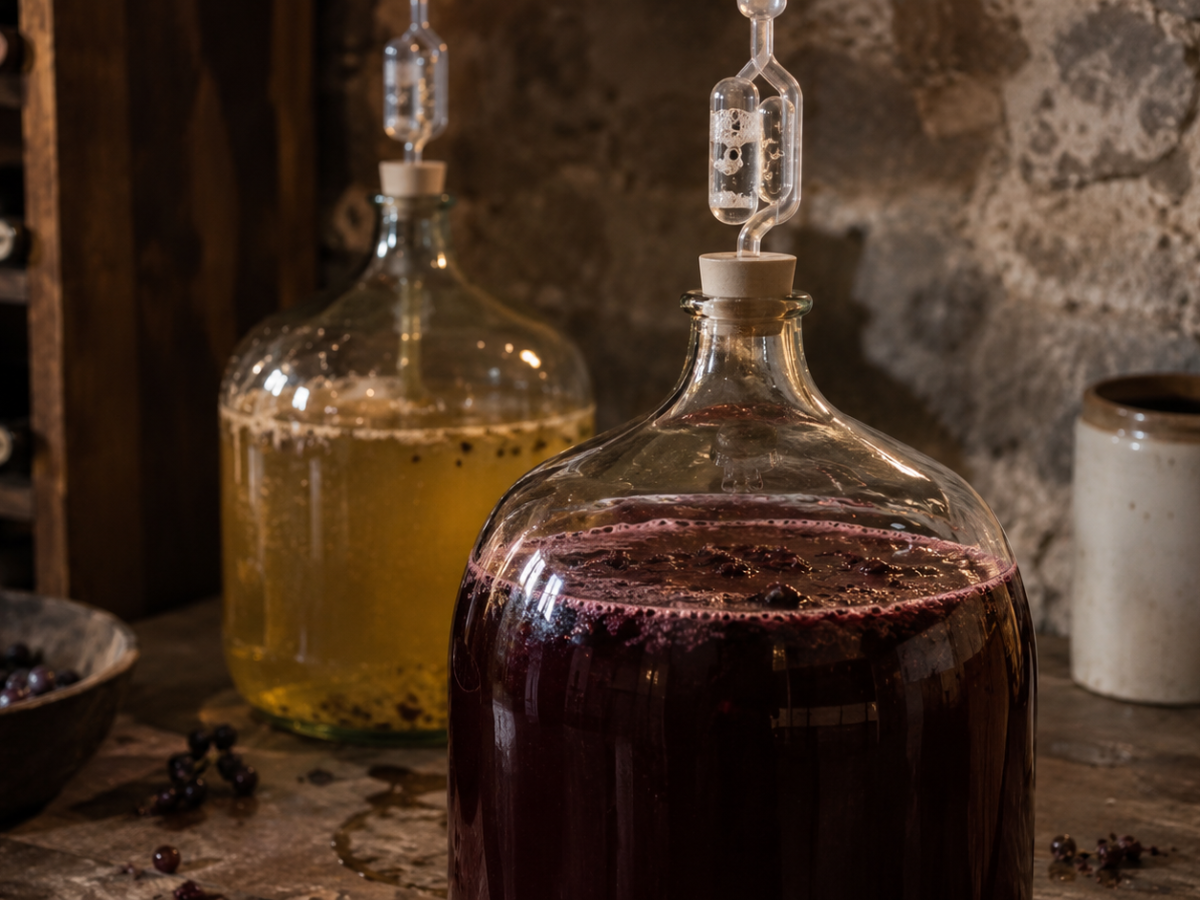
FerMonster 6 Gallon Carboy
Why it fits
Wine spends far longer in secondary than beer does, and secondary is where you want a narrow neck, minimal headspace and a view of the sediment line so you know when to rack. PET rather than glass means it does not shatter when it slips in a wet sink.
Limitations
PET is slightly oxygen-permeable over long periods, so it is a worse choice than glass for wine you intend to leave for years rather than months.

Oak barrel, for the oxygen not the oak
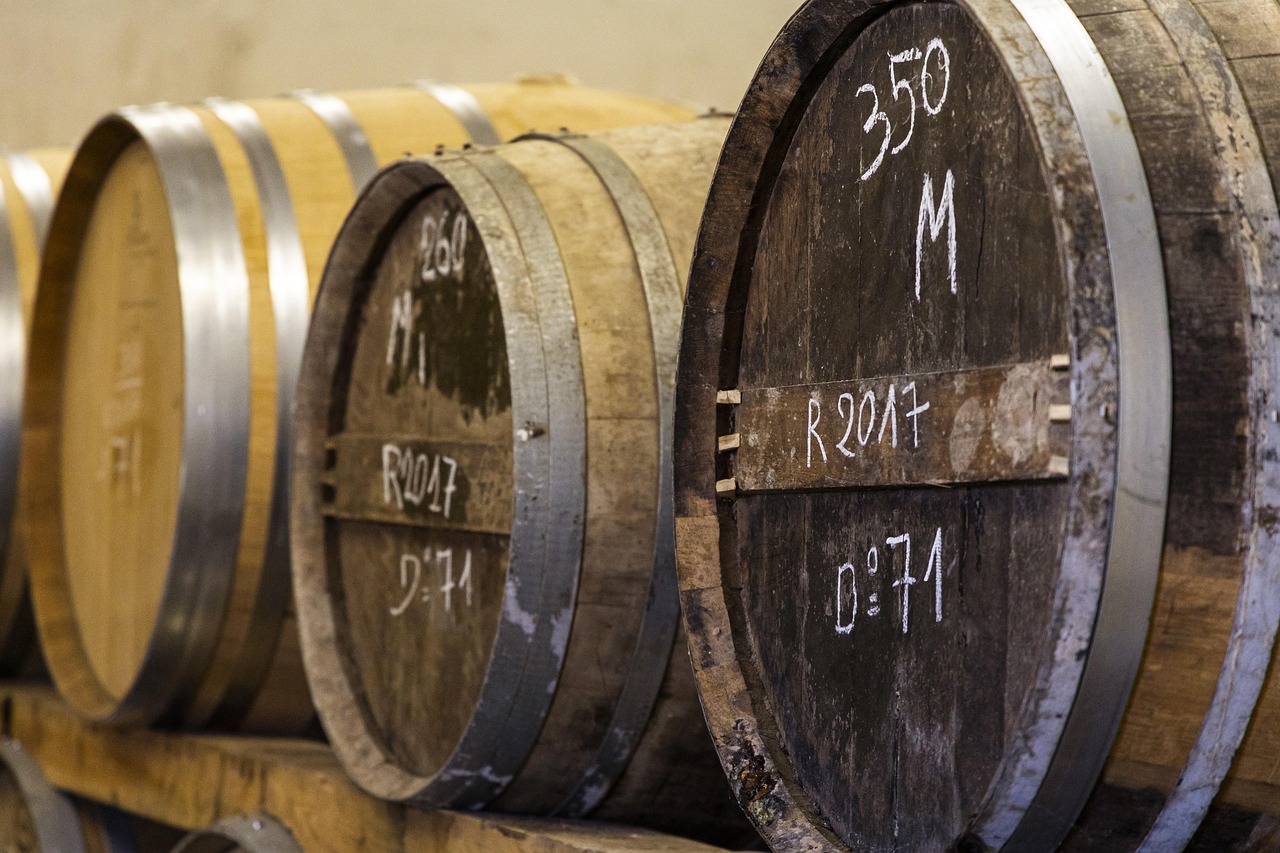
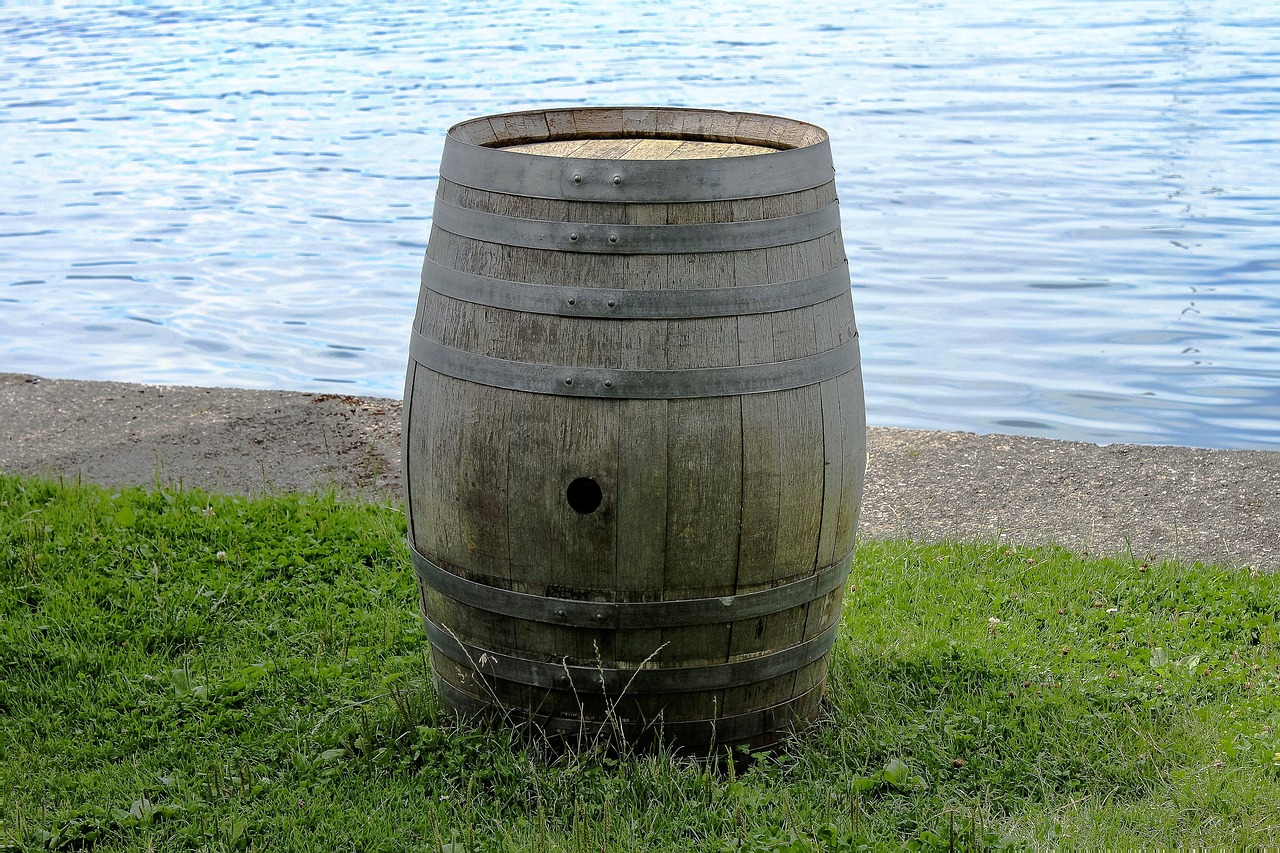
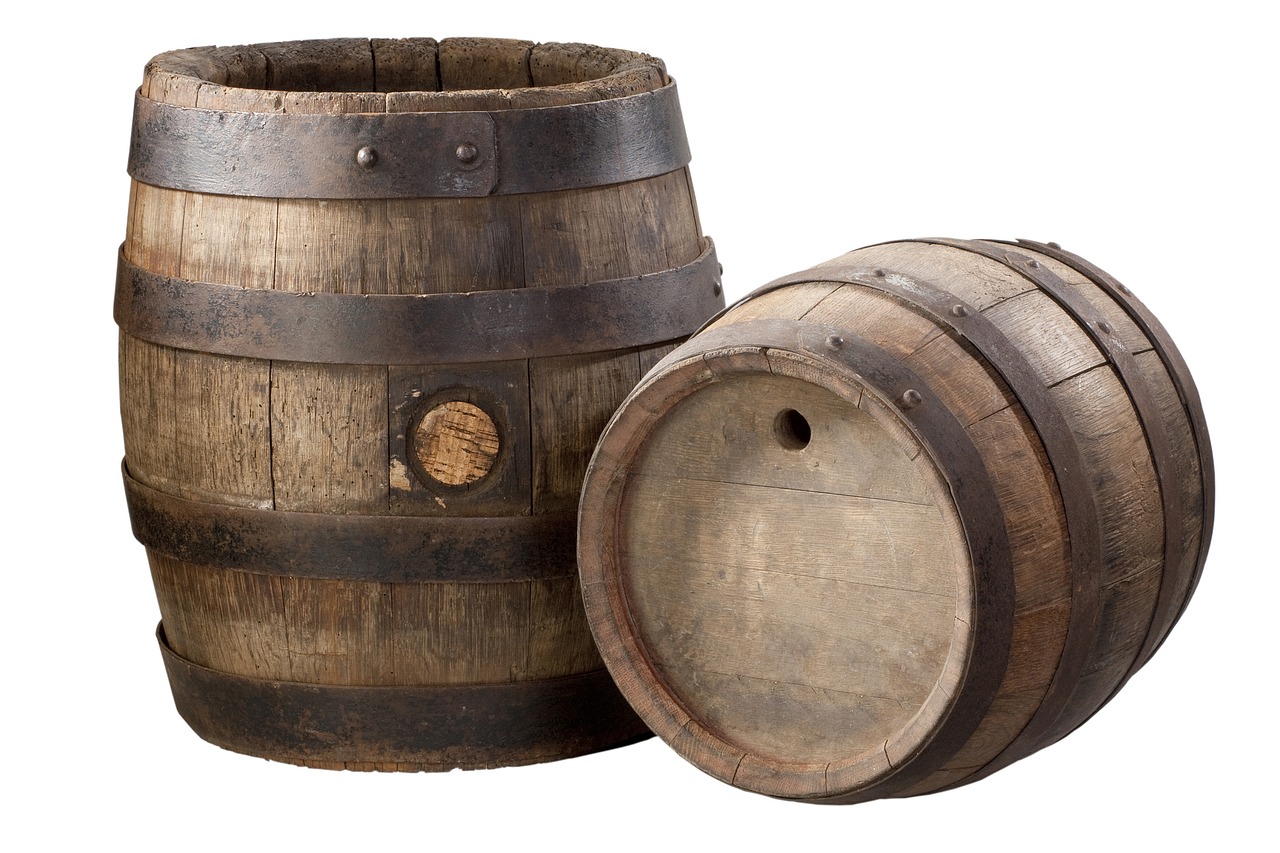
5 Gallon Oak Barrel, 20 Litre
Why it fits
The listing's own category. A barrel is the only vessel here that lets a controlled trickle of oxygen into the wine through the staves, which is the mechanism behind the softening people attribute to barrel aging.
Limitations
At 5 gallons the wood-to-wine ratio is several times a commercial barrique, so oak arrives fast and can overshoot. It also cannot be left empty without spoiling or drying out.
Step-by-Step Guide to Wine Fermentation
Here’s a step-by-step guide to wine fermentation:
- Prepare the must: Crush and de-stem the grapes, then cold soak them to extract flavors and colors.
- Transfer to fermenter: Pump the must into the fermenter, leaving enough headspace for foam and expansion.
- Monitor temperature: Keep the temperature between 65-75°F (18-24°C) for red wines and 55-65°F (13-18°C) for white wines.
- Manage yeast: Pitch the yeast and monitor its growth, ensuring it ferments the must efficiently.
- Press and rack: Press the wine off the skins, then rack it into a secondary fermenter for clarification and stabilization.
Pro Tips for Wine Fermentation
- Sanitize all equipment thoroughly to prevent contamination.
- Monitor specific gravity to track fermentation progress.
- Use a hydrometer to measure the wine’s density and sugar content.
- Aerate the wine during fermentation to promote healthy yeast growth.

Do the measuring
Brewer's Elite Hydrometer & Plastic Test Jar
The article asks you to track specific gravity; this is the instrument that does it. Triple scale, so it reads potential alcohol directly as well as density.

Seal the vessel
Fastrack Twin Bubble Airlock and Carboy Bung (2-Pack)
Whichever vessel you settle on, it needs to vent CO2 without letting air back in. The bung sizes here fit standard carboy and fermentor necks.

Hold the temperature bands the guide gives
Inkbird Dual Stage Temperature Controller
The 55-65°F white and 65-75°F red ranges in the steps above are not achievable in most houses by ambient temperature alone. This controls a fridge and a heat source from one setpoint.
Looking for more brewing resources? Browse our wine making equipment or visit our brewing and fermentation for more tools and tips.
Frequently Asked Questions
Q: What is the best material for wine fermentation vessels?
A: The best material depends on personal preference, budget, and the type of wine being produced. Stainless steel and food-grade plastic are popular choices due to their durability and ease of cleaning.
Q: How long does wine fermentation typically take?
A: Wine fermentation can take anywhere from 7-14 days for primary fermentation, and several weeks or months for secondary fermentation and aging.
Q: Can I use a glass carboy for wine fermentation?
A: Yes, glass carboys are a popular choice for wine fermentation due to their non-porous and non-reactive nature. However, they can be heavy and prone to breakage.
Shop this guide
Conical Fermenter for Homebrew/Wine/Brewing, Pro Grade Stainless Steel - 13 Gallons