This post contains affiliate links. If you buy through them, brewing.com earns a commission at no cost to you. How we pick products
Kombucha · Guide
How to Make Kombucha at Home: Complete Guide
| Pick | Best for | Price |
|---|---|---|
| Linen Jar Cloth Covers with Bands, 5 pack | Covers | $9.99 ↗ as of 24 Sep 2026, 4:45am GMT+0000 Details (paid link) |
| Cornucopia Brands 1 Gallon Glass Kombucha Jar with Cotton Cloth Cover | Jar and cover together | $24.99 ↗ as of 24 Sep 2026, 4:45am GMT+0000 Details (paid link) |
| The Kombucha Shop Organic Kombucha Starter Kit, 1 Gallon | Everything including the culture | $54.99 ↗ as of 24 Sep 2026, 4:45am GMT+0000 Details (paid link) |
| Swing Top Glass Bottles, 1 Litre, 6 pack | Bottles | $33.99 ↗ as of 24 Sep 2026, 4:45am GMT+0000 Details (paid link) |
Prices come from Amazon and refresh nightly. A pick shows “Check price” when we do not have a current figure for it.
Introduction to Kombucha
Kombucha is a fermented tea drink that has been around for centuries, originating from China. It is known for its potential health benefits, including improving digestion, boosting the immune system, and reducing inflammation. Making kombucha at home is a simple and cost-effective way to enjoy this healthy drink.
Equipment Needed
To make kombucha at home, you will need the following equipment:
- Large glass jar or container with a wide mouth (at least 1 gallon)
- Cheesecloth or a coffee filter
- Rubber band
- Stirring spoon
- Thermometer
- Bottles for secondary fermentation and storage
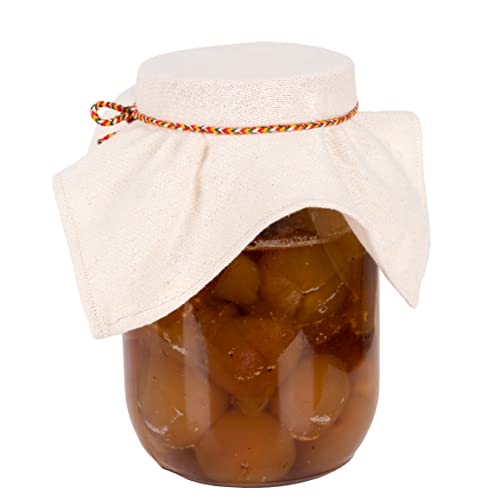
Covers
Linen Jar Cloth Covers with Bands, 5 pack
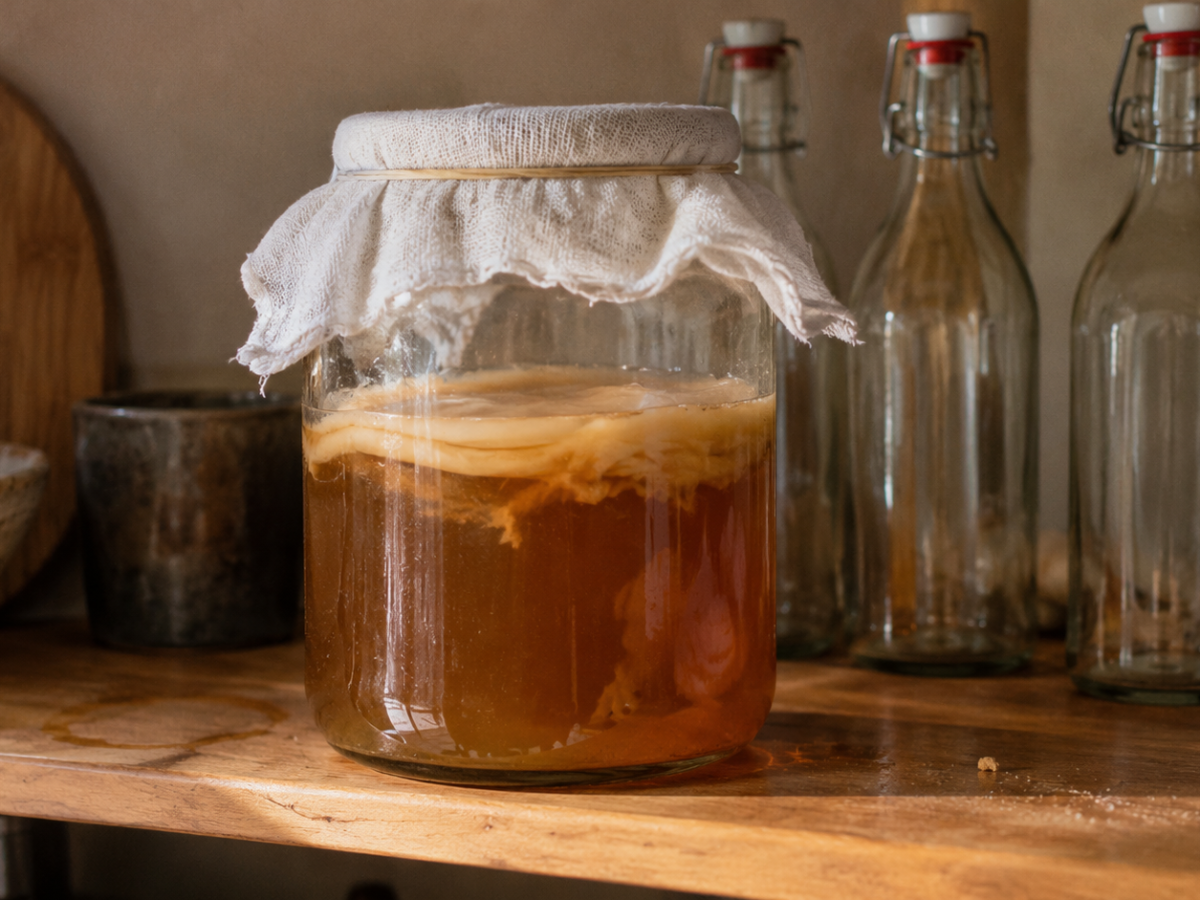
Tight-woven linen with a band. It breathes, it keeps flies out, and unlike cheesecloth it does not sag down into the brew.
The first two items are the ones worth spending thought on. The jar has to be glass and wide-mouthed, because the finished brew sits around pH 3 and because the culture has to come out whole each cycle; the cover has to pass air but stop fruit flies, which rules out both a solid lid and loosely woven cheesecloth that sags into the liquid.

Jar and cover together
Cornucopia Brands 1 Gallon Glass Kombucha Jar with Cotton Cloth Cover
Why it fits
It is the gallon this recipe is written for, in glass, with a mouth wide enough to reach into, and it arrives with the cloth cover and band that step four calls for rather than leaving you to improvise one. A plastic storage lid is included for after the ferment, when the kombucha is going into the fridge and no longer needs to breathe.
Limitations
A full gallon of glass is heavy and there is no tap, so serving means tipping it. The cotton cover needs washing between batches and replacing when it stops looking clean. It occupies counter space for the full seven to fourteen days.
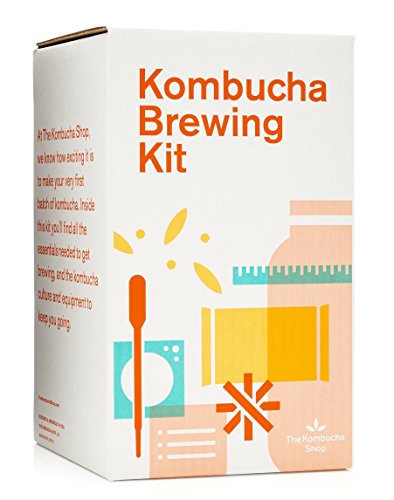
Everything including the culture
The Kombucha Shop Organic Kombucha Starter Kit, 1 Gallon
Why it fits
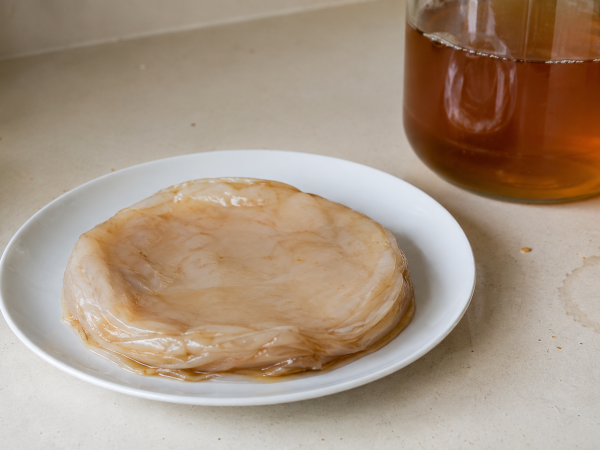
It solves the problem this guide does not address: the recipe needs a SCOBY and a cup of starter tea, and you cannot make either without already having kombucha. The kit supplies both alongside the gallon jar and cover, which makes it the shortest path from nothing to a first batch. After that you never need to buy a culture again, because each batch grows its own.
Limitations
You are paying a premium for the culture and the convenience of one box; a brewing group will often give a SCOBY away. Live cultures are sensitive to shipping temperature, so a kit left out in extreme weather is a risk no supplier controls.
Step-by-Step Instructions
Here is a step-by-step guide to making kombucha at home:
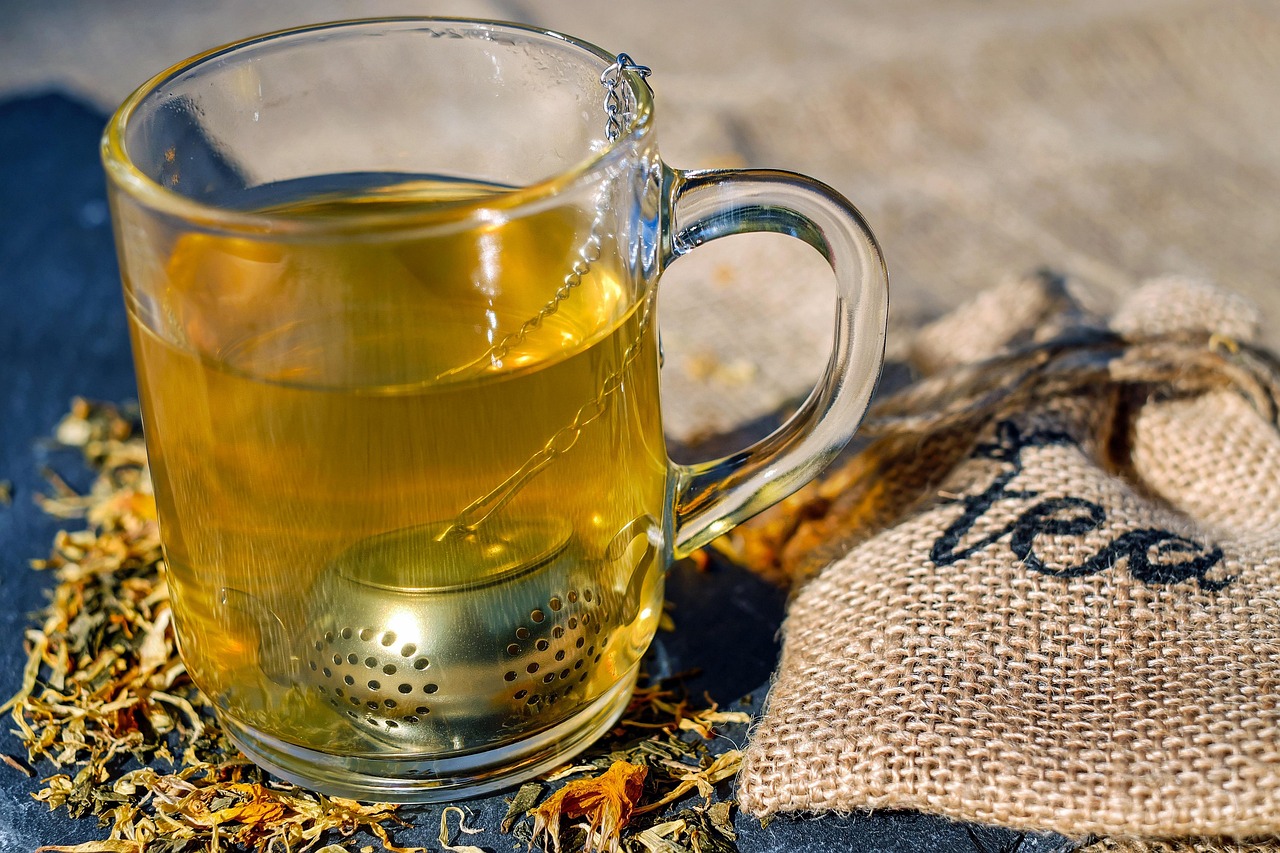
- Make the sweet tea: Bring 1 gallon of water to a boil and add 1 cup of sugar and 8-10 tea bags (black, green, or a combination of both). Let it steep for 5-10 minutes, then remove the tea bags.
- Cool the tea: Let the tea cool down to room temperature. This is an important step, as boiling water can harm the SCOBY (Symbiotic Culture of Bacteria and Yeast).
- Add the starter tea: Once the tea has cooled, add 1-2 cups of starter tea (pre-fermented kombucha) to the liquid. This will help the fermentation process.
- Add the SCOBY: Gently place the SCOBY into the liquid, making sure it is fully submerged. Cover the jar with cheesecloth or a coffee filter, securing it with a rubber band.
- Ferment the kombucha: Place the jar in a warm, dark place, such as a pantry or cupboard. Let it ferment for 7-14 days, depending on the desired level of sourness and carbonation.
- Taste and bottle: After 7-14 days, taste the kombucha to determine if it has reached the desired level of fermentation. If it is too sweet, let it ferment for a few more days. Once it is ready, remove the SCOBY and starter tea, and transfer the kombucha to bottles for secondary fermentation.
Secondary Fermentation
Secondary fermentation, also known as bottle conditioning, is an optional step that can help improve the flavor and carbonation of your kombucha. To do this, follow these steps:
- Bottle the kombucha: Transfer the kombucha to bottles, leaving about 1-2 inches of headspace.
- Secure the bottles: Tighten the lids on the bottles, but not too tightly, as this can cause the bottles to explode.
- Let it ferment: Let the bottles ferment at room temperature for 1-3 days, or until they become carbonated and fizzy.
- Store in the fridge: Once the kombucha has reached the desired level of carbonation, store it in the fridge to slow down fermentation and halt carbonation.
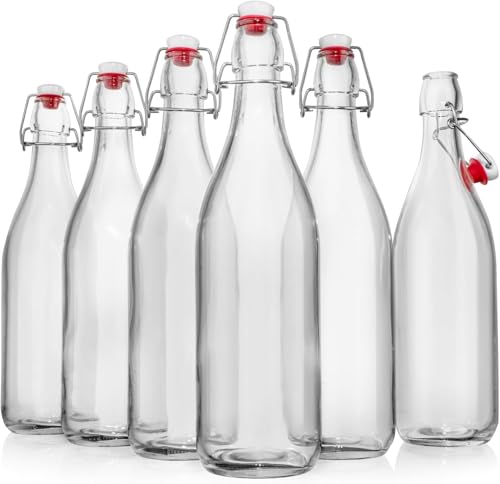
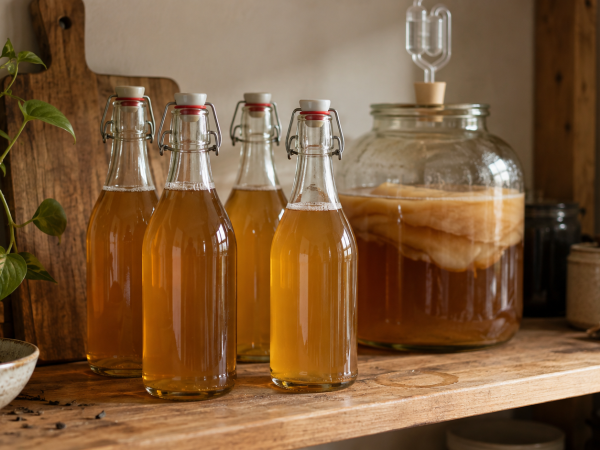
Bottles
Swing Top Glass Bottles, 1 Litre, 6 pack
Step two above warns against tightening lids too far, which is really a warning that ordinary bottles are the wrong container. Swing tops are built to hold this pressure.
Pro Tips
Here are some pro tips to help you make the best kombucha at home:
- Use filtered water: Chlorine in tap water can harm the SCOBY, so it is best to use filtered water.
- Keep it clean: Make sure all equipment is clean and sanitized to prevent contamination.
- Be patient: Fermentation can take time, so be patient and let the kombucha ferment for the recommended amount of time.
- Experiment with flavors: Try adding different flavors, such as fruits, herbs, and spices, to create unique and delicious flavors.
Frequently Asked Questions
Here are some frequently asked questions about making kombucha at home:
- Q: What is a SCOBY?
- A: A SCOBY (Symbiotic Culture of Bacteria and Yeast) is a living culture that is used to ferment the tea.
- Q: How long does it take to make kombucha?
- A: The fermentation time can vary, but it typically takes 7-14 days to make kombucha.
- Q: Can I make kombucha without a SCOBY?
- A: No, a SCOBY is necessary to ferment the tea and create kombucha.
Shop this guide