This post contains affiliate links. If you buy through them, brewing.com earns a commission at no cost to you. How we pick products
Kombucha · Guide
Kombucha Health Benefits: Science-Backed Facts

Introduction to Kombucha
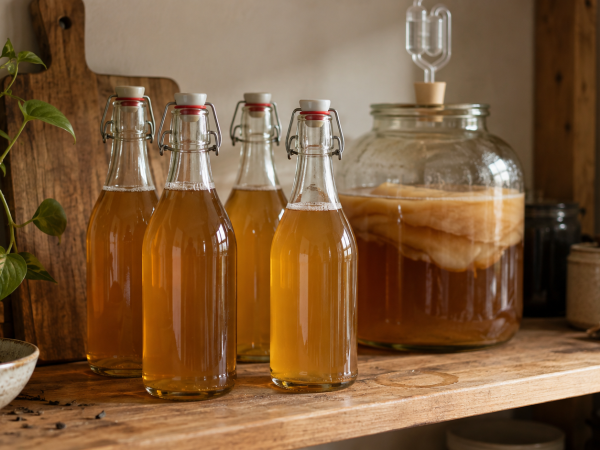
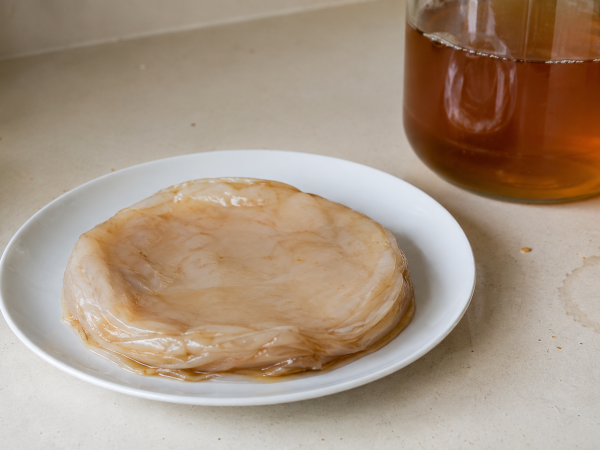
Kombucha is a fermented tea drink that has been consumed for centuries, originating in China. It is made by adding a symbiotic culture of bacteria and yeast (SCOBY) to sweetened black or green tea, which then ferments, creating a fizzy, tangy beverage rich in probiotics, acids, and other beneficial compounds.
Kombucha Health Benefits
Research has shown that kombucha possesses a variety of health benefits, including:
- Antimicrobial properties, which can help fight off harmful bacteria and viruses.
- Antioxidant properties, which can protect the body against free radicals and oxidative stress.
- Anti-inflammatory properties, which can help reduce inflammation and improve conditions such as arthritis.
- Probiotics, which can support gut health and boost the immune system.
Equipment Needed to Make Kombucha
To make kombucha at home, you will need the following equipment:
- Large glass jar or container with a wide mouth
- Cheesecloth or a coffee filter
- Rubber band
- SCOBY (you can either purchase one online or obtain it from a friend who brews kombucha)
- Sugar
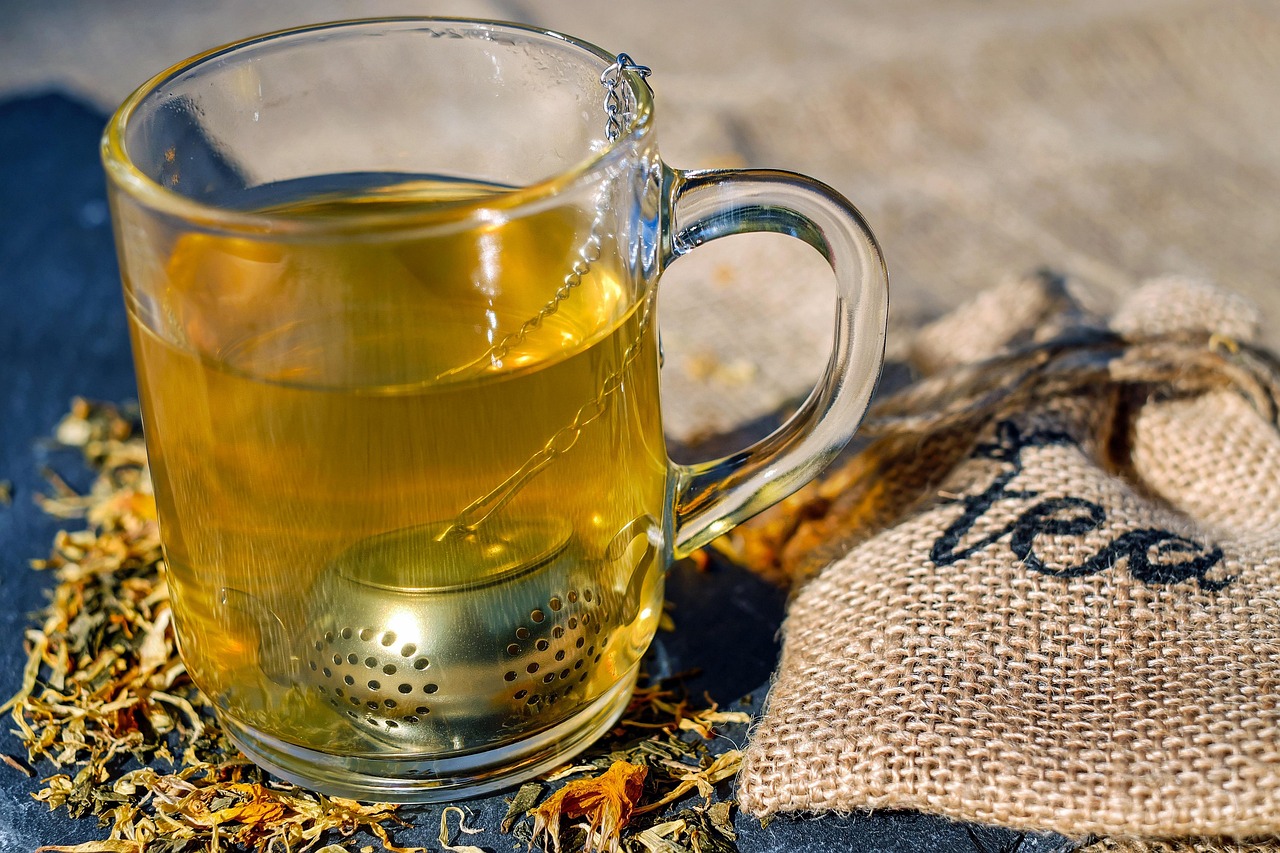
- Black or green tea
- Starter tea (pre-fermented kombucha)
One point the benefits section above leaves implicit: most of what is claimed for kombucha depends on it being a live, correctly acidified ferment. That means the equipment matters for more than convenience. A batch that never drops below about pH 4.2 in its first days is not a weaker probiotic drink, it is a spoilage risk, and the two items that prevent that are a glass vessel and enough acidic starter liquid.

Vessel and cover
Cornucopia Brands 1 Gallon Glass Kombucha Jar with Cotton Cloth Cover
Glass at pH 3 and a wide mouth for handling the culture, with the breathable cover included. The jar is the one piece of equipment there is no sensible substitute for.
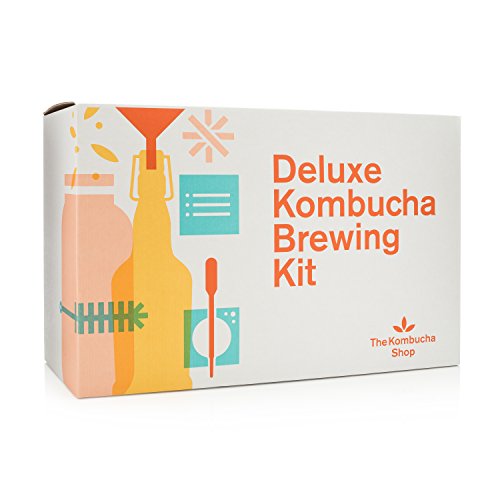
Culture and starter
Deluxe Organic Kombucha Starter Kit
Supplies the live culture and the starter tea, which is the item you cannot buy your way around on a first batch: kombucha needs kombucha to begin.
Step-by-Step Guide to Making Kombucha
Here is a simple step-by-step guide to making kombucha at home:
- Boil water and add sugar and tea to make a sweet tea solution.
- Let the tea cool down to room temperature.
- Add the starter tea and SCOBY to the cooled tea.
- Cover the jar with cheesecloth or a coffee filter and secure it with a rubber band.
- Place the jar in a warm, dark place and let it ferment for 7-14 days, depending on the desired level of sourness and carbonation.
- Taste the kombucha and determine if it is fermented to your liking. If not, let it ferment for a few more days.
- Once the kombucha is fermented, remove the SCOBY and starter tea, and transfer the kombucha to the refrigerator to slow down fermentation.
Pro Tips for Making Kombucha
Here are some pro tips to help you make the best kombucha possible:
- Use filtered water to prevent contaminants and impurities in your kombucha.
- Keep the fermentation area clean and sanitized to prevent mold and bacterial contamination.
- Use the right type of tea, as some teas can inhibit the growth of the SCOBY.
- Be patient, as fermentation times can vary depending on temperature, pH, and other factors.
Frequently Asked Questions
Here are some frequently asked questions about kombucha:
- Q: Is kombucha safe to drink? A: Yes, kombucha is generally safe to drink, but it may not be suitable for everyone, especially those with weakened immune systems.
- Q: Can I make kombucha with a different type of tea? A: Yes, you can make kombucha with different types of tea, but some teas may not be suitable for the SCOBY.
- Q: How long does kombucha last? A: Kombucha can last for several months when stored in the refrigerator, but it is best consumed within a few weeks for optimal flavor and nutrition.
Shop this guide