This post contains affiliate links. If you buy through them, brewing.com earns a commission at no cost to you. How we pick products
Kombucha · Guide
Kombucha Second Fermentation: Flavoring Tips
| Pick | Best for | Price |
|---|---|---|
| Canning Funnel with Strainer, Wide Mouth | Funnel | $8.98 ↗ as of 24 Sep 2026, 4:45am GMT+0000 Details (paid link) |
| Fermtech Mini Auto-Siphon | Siphon | $8.99 ↗ as of 24 Sep 2026, 4:45am GMT+0000 Details (paid link) |
| Fastrack Airlocks for Fermenting, 3 pack | Airlocks | $6.85 ↗ as of 24 Sep 2026, 4:45am GMT+0000 Details (paid link) |
| Swing Top Glass Bottles, 1 Litre, 6 pack | The 1-litre size on the list | $33.99 ↗ as of 24 Sep 2026, 4:45am GMT+0000 Details (paid link) |
| 32 oz Swing Top Glass Kombucha Bottles, 4 pack | The 32 oz size on the list | $24.99 ↗ as of 24 Sep 2026, 4:45am GMT+0000 Details (paid link) |
Prices come from Amazon and refresh nightly. A pick shows “Check price” when we do not have a current figure for it.
Introduction to Kombucha Second Fermentation
For more kombucha tips, check out our kombucha brewing guides.Kombucha is a fermented tea drink that has been around for centuries, known for its health benefits and unique taste. The second fermentation process, also known as bottle conditioning, is a crucial step in creating a fizzy and flavorful kombucha. In this article, we will explore the world of kombucha second fermentation, including equipment lists, step-by-step guides, and pro tips for achieving the perfect flavor.
Equipment Needed for Second Fermentation
To get started with the second fermentation process, you will need the following equipment:
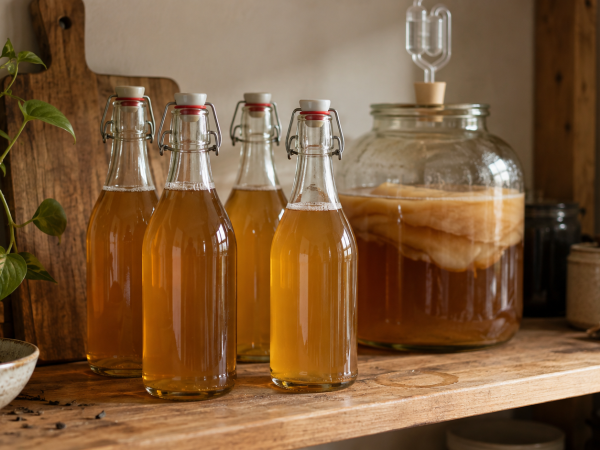
- Glass bottles with tight-fitting lids (1-liter or 32-oz capacity)
- Bottling bucket or a large glass container
- Siphon and racking cane
- Airlock and bung
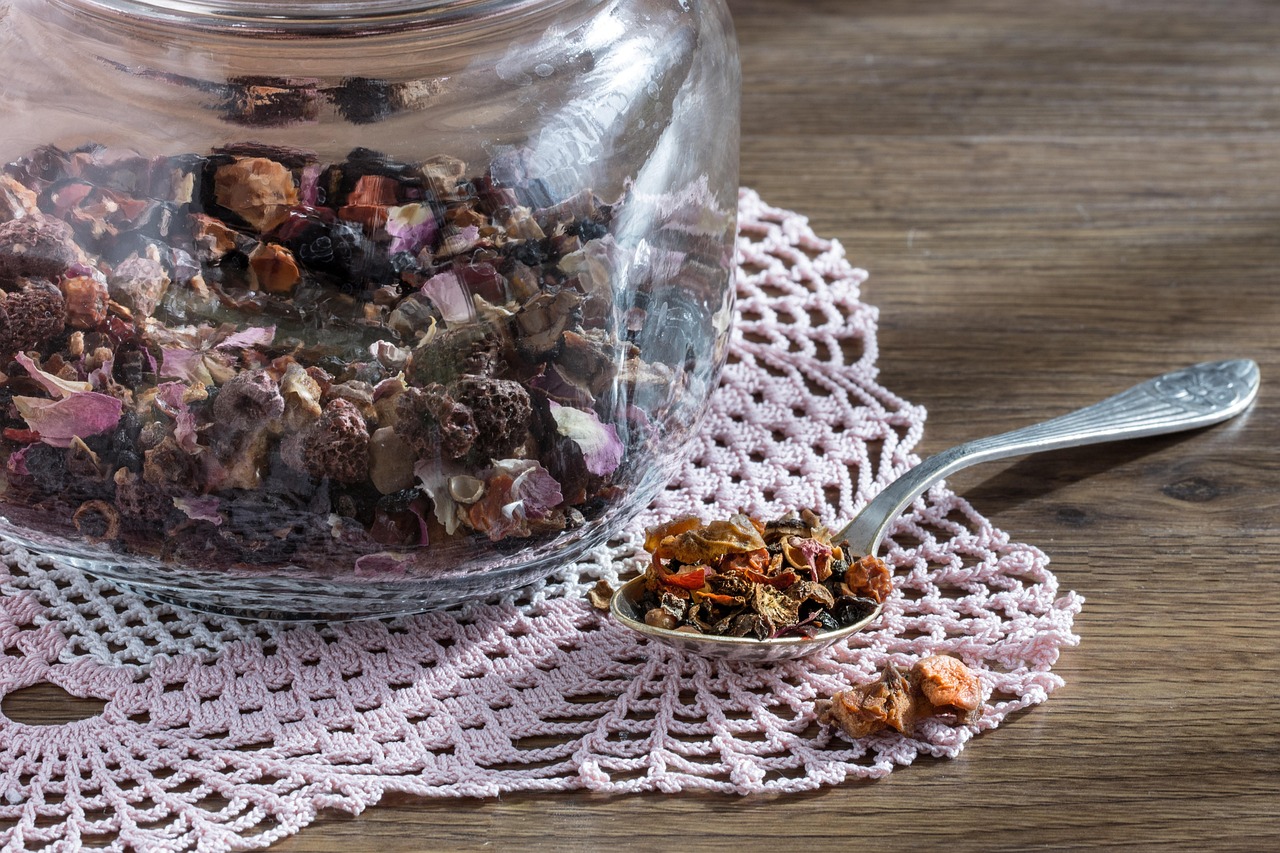
- Flavorings (fruits, herbs, spices, etc.)

Funnel
Canning Funnel with Strainer, Wide Mouth
Filling a narrow-necked bottle without one wastes kombucha across the counter, and the strainer insert catches fruit pulp on the way in.

Siphon
Fermtech Mini Auto-Siphon
Step four calls for transferring while leaving the sediment behind, which is what a racking cane does and a jug does not. The mini size suits one-gallon batches.

Airlocks
Fastrack Airlocks for Fermenting, 3 pack
Useful for the bulk vessel, not for the bottles. An airlock lets CO2 escape, so anything behind one will not carbonate.
Two items on that list need qualifying. The bottles must be pressure-rated with a gasket seal, because a second ferment is deliberately building carbonation and a screw cap on a repurposed bottle is the usual cause of a kitchen accident. The airlock and bung belong to a different process: an airlock vents CO2, which is the opposite of what bottle conditioning is trying to do. Keep it for the bulk vessel, not the bottles.
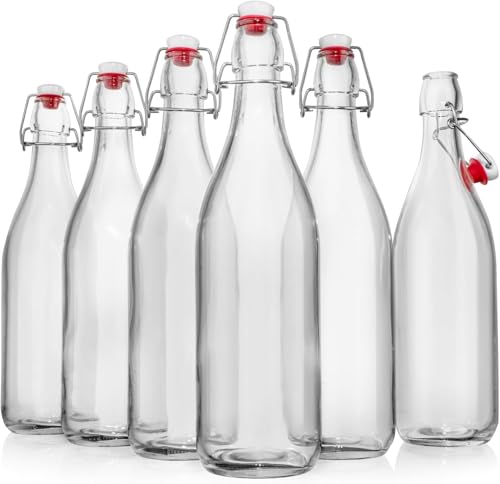
The 1-litre size on the list
Swing Top Glass Bottles, 1 Litre, 6 pack
Why it fits
Thick glass with a ceramic swing-top and gasket, in the 1-litre size the equipment list specifies. The mechanism matters as much as the glass: a swing top can be eased open a fraction to bleed pressure off a bottle that is fermenting harder than you expected, which a crown cap cannot. Six bottles covers a gallon batch with a little to spare.
Limitations
The gasket is a consumable and a perished one quietly stops holding carbonation, which gets blamed on the recipe. Pulp collects around the stopper and wire, so cleaning is fiddlier than a plain bottle. A litre is a lot to open at once unless you are sharing it.

The 32 oz size on the list
32 oz Swing Top Glass Kombucha Bottles, 4 pack
Why it fits
The 32 oz option the list also names, in heavy glass with a swing top and stopper. A four-pack fills a gallon batch exactly, which makes bottling day simple arithmetic, and the shorter, wider format sits more stably in a fridge door than a litre bottle.
Limitations
Fewer, larger bottles means less room to try different flavourings from one batch. Same gasket wear and same cleaning awkwardness around the stopper as any swing top.
Step-by-Step Guide to Kombucha Second Fermentation
Now that we have our equipment ready, let’s dive into the step-by-step process of second fermentation:
- Prepare your kombucha: Before starting the second fermentation, make sure your kombucha has completed the first fermentation process and has reached the desired level of sourness and carbonation.
- Choose your flavorings: Select the flavorings you want to add to your kombucha, such as fruits, herbs, or spices. You can use fresh or dried ingredients, depending on your preference.
- Add flavorings to the bottles: Add your chosen flavorings to the glass bottles, leaving about an inch of space at the top.
- Transfer the kombucha: Use a siphon and racking cane to transfer the kombucha from the fermentation vessel to the bottles, leaving behind any sediment.
- Seal the bottles: Secure the bottles with tight-fitting lids, making sure they are airtight to allow for carbonation to build up.
- Monitor and wait: Place the bottles in a cool, dark place and monitor them regularly to check for carbonation levels and flavor development. This process can take anywhere from 1-14 days, depending on the temperature and desired level of carbonation.
Pro Tips for Achieving the Perfect Flavor
Here are some pro tips to help you achieve the perfect flavor in your kombucha second fermentation:
- Experiment with different flavor combinations: Don’t be afraid to try out unique and unusual flavor combinations to create a one-of-a-kind taste experience.
- Use high-quality ingredients: Fresh and organic ingredients will result in a better-tasting kombucha, so choose the best quality flavorings you can find.
- Monitor the temperature: Temperature plays a crucial role in the second fermentation process, so make sure to keep your bottles in a cool, consistent environment.
- Be patient: Second fermentation is a waiting game, so be patient and allow the process to take its course. Rushing the fermentation can result in an under-flavored or over-carbonated kombucha.
Looking for more brewing resources? Browse our fermentation equipment or visit our beer and fermentation for more tools and tips.
Frequently Asked Questions
Here are some frequently asked questions about kombucha second fermentation:
- Q: How long does the second fermentation process take?
- A: The second fermentation process can take anywhere from 1-14 days, depending on the temperature and desired level of carbonation.
- Q: Can I use any type of bottle for second fermentation?
- A: It’s recommended to use glass bottles with tight-fitting lids, as they are non-porous and can withstand the carbonation pressure.
- Q: What is the ideal temperature for second fermentation?
- A: The ideal temperature for second fermentation is between 68-72°F (20-22°C), which allows for a slow and steady fermentation process.
Shop this guide