This post contains affiliate links. If you buy through them, brewing.com earns a commission at no cost to you. How we pick products
Wine · Guide
Mead Making for Beer Brewers
| Pick | Best for | Price |
|---|---|---|
| FerMonster 6 Gallon Carboy | Fermenter | $49.95 ↗ as of 17 Sep 2026, 2:18am GMT+0000 Details (paid link) |
| Brewer's Elite Hydrometer & Plastic Test Jar | Hydrometer | $21.99 ↗ as of 17 Sep 2026, 2:18am GMT+0000 Details (paid link) |
| Fermtech Mini Auto-Siphon | Siphon and racking cane | $8.99 ↗ as of 17 Sep 2026, 2:18am GMT+0000 Details (paid link) |
| Fastrack Twin Bubble Airlock and Carboy Bung (2-Pack) | Airlock and bung | $7.93 ↗ as of 17 Sep 2026, 2:18am GMT+0000 Details (paid link) |
| FastRack Green Wine Bottles 750ml, 12-Pack W5 Bordeaux | Bottles | $30.62 ↗ as of 17 Sep 2026, 2:18am GMT+0000 Details (paid link) |
| Brewer's Best Wildflower Honey, 2 lb Jar | The only ingredient that matters | $15.99 ↗ as of 17 Sep 2026, 2:18am GMT+0000 Details (paid link) |
| Red Star Premier Cuvée Wine Yeast, 10 Pack | A wine yeast that handles the gravity | $8.99 ↗ as of 17 Sep 2026, 2:18am GMT+0000 Details (paid link) |
| Fermax Yeast Nutrient, 1 lb | The addition beer brewers forget | $19.14 ↗ as of 17 Sep 2026, 2:18am GMT+0000 Details (paid link) |
| Inkbird Dual Stage Temperature Controller | What temperature control actually is | $34.99 ↗ as of 17 Sep 2026, 2:18am GMT+0000 Details (paid link) |
Prices come from Amazon and refresh nightly. A pick shows “Check price” when we do not have a current figure for it.
Introduction to Mead Making
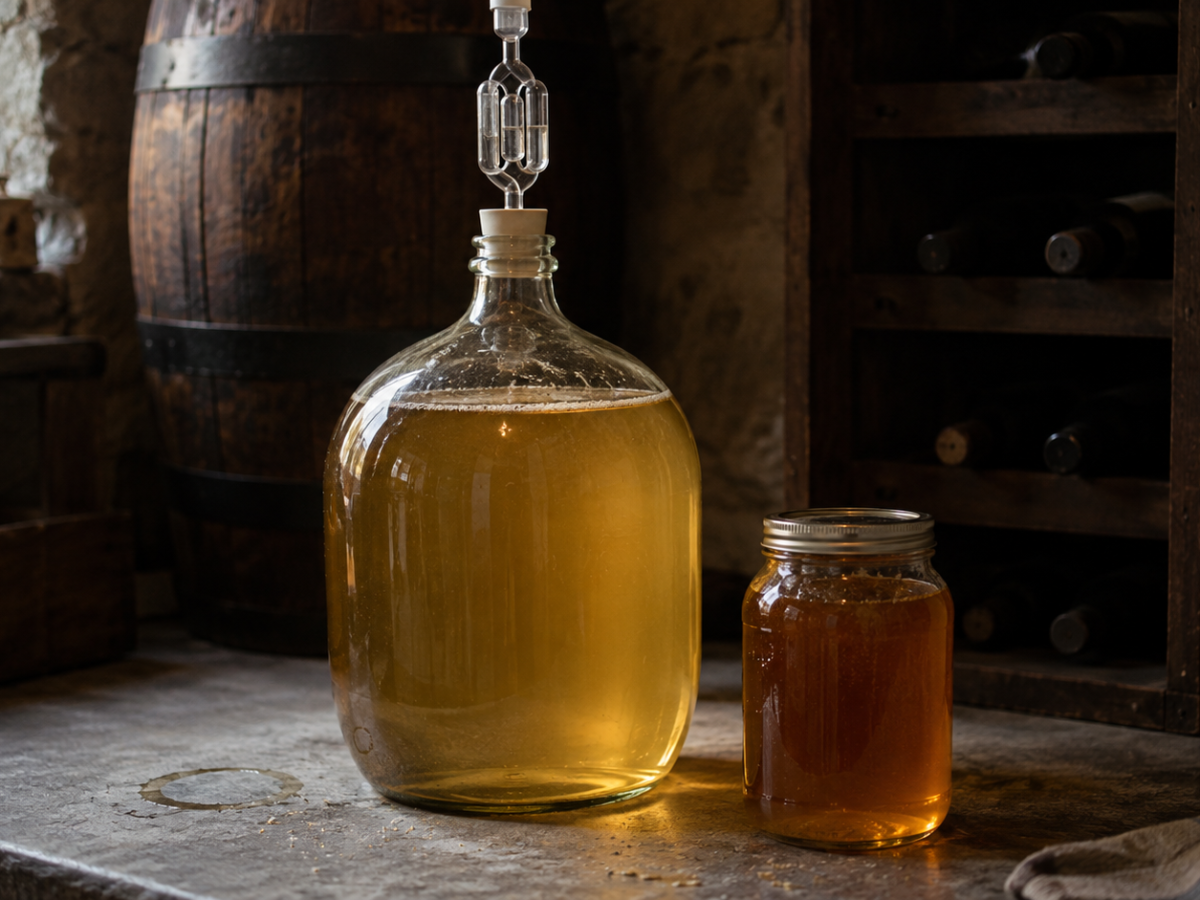
For more beer tips, check out our beer brewing guides.Mead, often referred to as honey wine, is an alcoholic beverage made from the fermentation of honey. For beer brewers, mead making can be a fascinating extension of their skills, offering a new realm of flavors and techniques to explore. This guide is designed to introduce beer brewers to the world of mead making, covering the essential equipment, step-by-step process, professional tips, and frequently asked questions.
Equipment Needed for Mead Making
Before diving into the process, it’s crucial to have the right equipment. The basic setup includes a fermenter, hydrometer, siphon, airlock, and bottles for secondary fermentation and storage. For those familiar with beer brewing, much of this equipment will be recognizable, with a few key additions specific to mead making.
- Fermenter: Food-grade plastic or glass containers where the mead will ferment.
- Hydrometer: Used to measure the specific gravity of the must before and after fermentation to calculate the alcohol content.
- Siphon and Racking Cane: For transferring the mead from one vessel to another, minimizing exposure to air.
- Airlock and Bung: Allows carbon dioxide to escape while keeping air out of the fermenter.
- Bottles and Corks: For secondary fermentation and long-term storage.

Fermenter
FerMonster 6 Gallon Carboy
Mead sits in the fermenter far longer than beer does, so a clear vessel that lets you watch it drop bright is worth more here than in brewing. The wide cap means you can actually clean it after a year.

Hydrometer
Brewer's Elite Hydrometer & Plastic Test Jar
The FAQ below is right that mead must starts far denser than wort. A triple-scale hydrometer reads to 1.170, which covers a strong traditional mead; a beer-only hydrometer may not float at all.

Siphon and racking cane
Fermtech Mini Auto-Siphon
Mead is racked more times than beer over its life, and each one is an oxygen risk. Starting the siphon in one stroke keeps the transfer short.

Airlock and bung
Fastrack Twin Bubble Airlock and Carboy Bung (2-Pack)
A mead that ferments for months will outlast the water in a cheap airlock. The twin-bubble style holds its seal longer between top-ups.

Bottles
FastRack Green Wine Bottles 750ml, 12-Pack W5 Bordeaux
Still mead bottles like wine, not like beer. Green glass matters for something you intend to age for a year or more.
Step-by-Step Mead Making Process
The process of making mead is relatively straightforward but requires patience and attention to detail. It begins with creating the must—a mixture of honey and water—then proceeds through fermentation, clarification, and bottling.
- Must Preparation: Combine honey and water in a ratio suitable for the desired type of mead. Traditional mead is made with a 4:1 or 3:1 water to honey ratio, but this can vary based on personal preference and the specific recipe.
- Pitching the Yeast: Once the must is prepared, yeast is added. The type of yeast can significantly affect the flavor profile of the mead, with options ranging from wine yeast to beer yeast and even wild or natural yeasts.
- Fermentation: The must is then sealed in a fermenter, where it undergoes fermentation. This process can take anywhere from a few weeks to several months, depending on factors like yeast strain, temperature, and the desired level of dryness.
- Clarification and Bottling: After fermentation is complete, the mead is clarified to remove sediments and then bottled. Some meads are designed to age in the bottle, improving over time.

The only ingredient that matters
Brewer's Best Wildflower Honey, 2 lb Jar
Wildflower is the usual starting honey for a traditional mead: varied enough to be interesting, not so distinctive that it fights the yeast character. Note that a 5 gallon batch takes far more than one jar.

A wine yeast that handles the gravity
Red Star Premier Cuvée Wine Yeast, 10 Pack
High alcohol tolerance and a wide temperature range, which is what a dense honey must demands. This is the conventional answer for a dry traditional mead.

The addition beer brewers forget
Fermax Yeast Nutrient, 1 lb
Honey is almost pure sugar with essentially no yeast nutrition in it, unlike wort. Nutrient-starved mead fermentation is the single most common failure, and it announces itself as a rotten-egg sulfur smell.
Professional Tips for Mead Making
For those looking to refine their mead making skills, several professional tips can elevate the quality and character of the final product. These include precise temperature control during fermentation, experimenting with different yeast strains and honey varieties, and considering the addition of fruits, herbs, or spices to create unique flavor profiles.
- Temperature Control: Maintaining the optimal temperature range for the yeast can significantly impact the fermentation process and the final flavor.
- Experimentation: Mead making offers a wide range of possibilities for experimentation, from different honey varieties to the incorporation of additional ingredients.
- Patient Aging: Many meads benefit from aging, which can smooth out flavors and integrate the various components of the mead.

What temperature control actually is
Inkbird Dual Stage Temperature Controller
Mead ferments slowly and shows hot-fermentation fusels very clearly. Dual stage drives a fridge and a heater from one setpoint, which is the difference between a clean mead and one that needs two years to become drinkable.
Frequently Asked Questions
As with any craft, mead making comes with its set of common questions and concerns. Addressing these can help newcomers navigate the process more smoothly.
- Q: What is the difference between mead and beer?
- A: The primary difference is the use of honey as the fermentable sugar source in mead, whereas beer is made from grains.
- Q: How long does it take to make mead?
- A: The time from must preparation to bottling can range from a few months for simple meads to several years for more complex, aged varieties.
- Q: Can I use the same equipment for mead making as for beer brewing?
- A: Yes, much of the equipment is interchangeable. However, mead making may require additional items like a hydrometer specifically calibrated for the higher sugar levels found in mead must.
Shop this guide